IN Brief:
- Procore surveyed 1,000 UK young people aged 16–20, finding that 55% had not encountered construction in careers guidance or had received no guidance.
- Some 41% were unaware of advanced technology in construction, while 51% said AI and digital tools would increase the appeal of an industry career.
- CITB forecasts an average requirement for 41,200 additional workers annually between 2026 and 2030, equivalent to approximately 206,000 over five years.
Procore Technologies has found that 41% of young people surveyed in the UK did not know construction uses technologies including artificial intelligence, robotics, drones and virtual reality. The research also found that 51% would find a construction career more appealing if it involved AI or digital tools, identifying a substantial gap between awareness of the industry’s technical capabilities and respondents’ interest in using them.
The findings come from a survey of 1,000 people aged 16–20, conducted online by Sensu Insight on Procore’s behalf in September 2026. Published on 9 November, the research examined careers advice, knowledge of construction employment opportunities and perceptions of the technology used on modern projects. The results arrive as contractors continue to face recruitment difficulties across professional, technical and trade occupations.
Only 35% of respondents recalled construction or a trade being presented as an option during careers guidance at school or college. Procore reported that 55% either had not encountered construction in their careers advice or had received no guidance at all, with 17% falling into the latter category. The findings indicate that a substantial proportion of the surveyed age group had not been introduced to construction as a potential career through formal education guidance.
The research also examined whether young people understood how to enter the industry. Some 44% said they would not know where to begin if they wanted a construction career, while 49% believed schools provided insufficient information about vocational and technical opportunities. These responses concern the information available to prospective entrants rather than the outcomes of applications, apprenticeships or recruitment programmes.
Awareness of construction technology was similarly uneven. Two in five respondents, equivalent to 41%, did not know the industry uses technologies such as robotics, AI, drones and virtual reality. When asked whether working with AI or digital tools would influence their interest in a construction career, 51% responded positively. The difference provides employers with evidence about the aspects of modern construction work that some potential recruits find attractive.
Digital tools are already used across several stages of project delivery, although the extent of adoption varies between contractors and individual projects. Building information modelling allows design information from different disciplines to be coordinated and reviewed, while digital surveying systems record physical site conditions. These technologies require operators to understand the relationship between the information produced and the construction work being undertaken.
Reality capture provides another example of the technical work available within the industry. Surveyors and construction teams can use laser scanning, photogrammetry and 360-degree site imagery to record geometry and visible conditions. The resulting records can support measurement, design coordination and progress assessment, provided the information is captured and checked to the accuracy required for its intended use.
Drones are employed on some projects for aerial photography, surveying and inspection activities. Their suitability depends on the task, the available operating space and the applicable aviation and safety requirements. They can provide access to views that would otherwise require different inspection arrangements, but the collected imagery still requires appropriate interpretation and, where necessary, verification against physical measurements.
AI applications are developing in project administration, scheduling, document handling and information retrieval. Construction teams may use software to organise records, examine programme information or assist with routine reporting. The accuracy of these outputs depends on the underlying data and the checks made by competent personnel before information is used to support commercial or engineering decisions.
Robotic and automated systems involve different combinations of software, sensors and physical equipment. Some are associated with manufacturing and component production, while others support specialist surveying or site operations. Their use requires knowledge of equipment capabilities, operating limits, maintenance and the controls needed to integrate them safely into construction activities.
The technical roles associated with these systems extend beyond software development. Site engineers, surveyors, construction managers, equipment specialists and design coordinators may all use digital information as part of their work. The qualifications and training required vary between occupations, making clear careers guidance important for young people comparing apprenticeships, vocational education and higher education routes.
Procore’s findings coincide with a substantial forecast recruitment requirement. The Construction Industry Training Board estimates that an average of 41,200 additional workers will be needed annually between 2026 and 2030, equivalent to approximately 206,000 over the five-year period. The forecast accounts for the workforce needed to support anticipated construction activity and replace people leaving the industry.
CITB expects the UK construction workforce to increase from approximately 2.61 million in 2025 to 2.68 million by 2030. The difference between these workforce totals is smaller than the cumulative recruitment requirement because the industry must replace workers who retire or otherwise leave employment. Recruitment is consequently needed to maintain existing capacity as well as accommodate forecast growth.
The Government is developing new technical education pathways for pupils aged 14–16, with an ambition to begin introducing them in September 2028. The proposals would allow students to combine core academic subjects with technical education, practical experience and stronger connections with employers. Schools, colleges, local leaders and businesses are expected to contribute to the development of routes appropriate to local employment opportunities.
The planned reforms were outlined by Prime Minister Andy Burnham in July 2026. Procore presented respondents with his commitment to placing academic and technical education on a more equal footing. Some 48% said the statement made them view construction and trade careers more positively, compared with 5% who reported a negative response.
Those findings measure reactions to the information presented during the survey. They do not establish that the proposed education pathways have already increased applications or employment in construction. The intended rollout from 2028 also means that many current 16–20-year-olds will have completed their school education before the changes are introduced.
Lee Miles, General Manager for EMEA at Procore, said: “Young people can’t choose a career they’ve never heard of.”
Miles called for closer engagement between educators, policymakers, construction businesses and other industry organisations. He identified work experience, visible role models and opportunities to demonstrate the technology used on projects as ways of reaching young people who are already approaching employment or further training decisions.
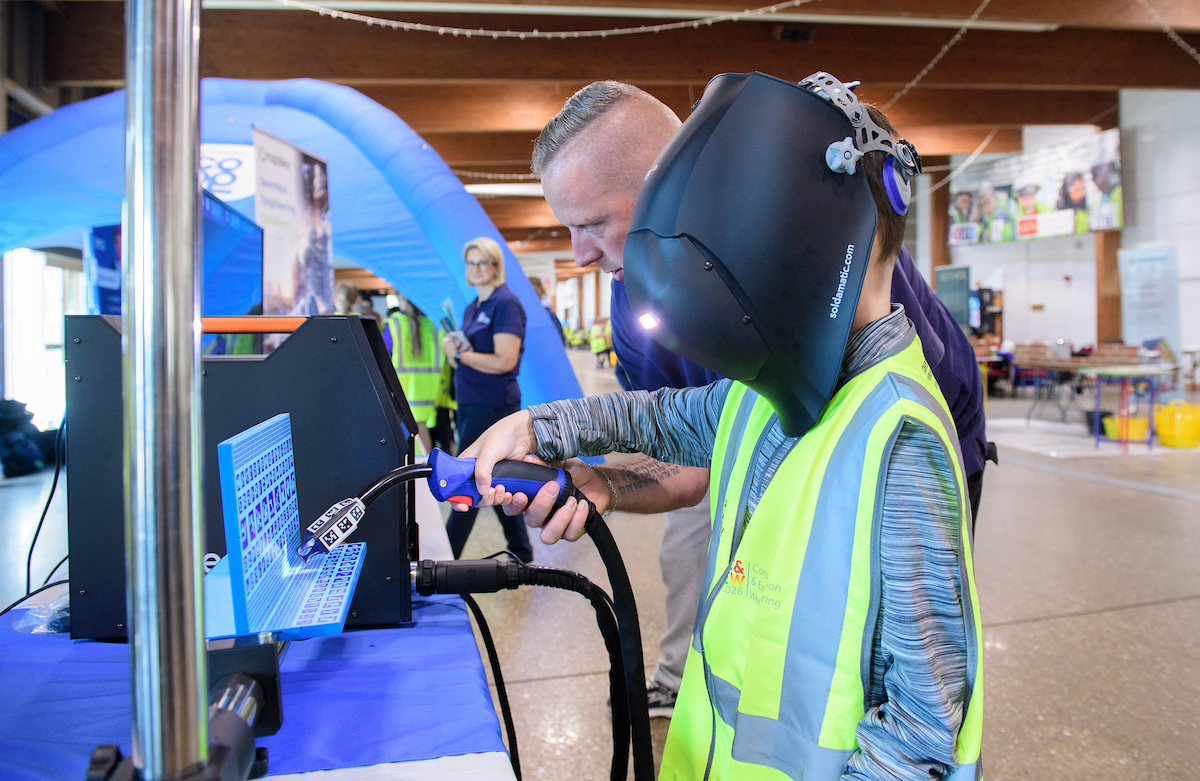
Site visits and practical demonstrations can expose prospective recruits to the different responsibilities involved in construction. A surveying activity may involve collecting accurate information about the physical environment, while design coordination requires understanding how building systems interact. Construction management involves scheduling resources, supervising work and checking progress against project requirements.
Providing access to these activities requires suitable supervision and attention to safety, particularly where students visit operational construction sites. Employers can also use training facilities, workshops and digital demonstrations to explain roles that would otherwise be difficult to observe during a conventional careers event. The form of engagement needs to match the experience and qualifications of the participants.
The research was undertaken through a verified online panel, with quality controls applied by Sensu Insight. Its results describe the responses of the 1,000 surveyed young people rather than independently measuring recruitment outcomes across the entire UK population. The survey does not establish how many additional workers could be recruited through changes to careers advice or the greater promotion of construction technology.
Procore’s findings nevertheless identify specific gaps in knowledge among prospective entrants. With CITB forecasting the need for approximately 206,000 additional workers over five years, employers face a continuing requirement to explain the range of careers available and the qualifications needed to enter them. The proposed technical education reforms are not expected to begin before September 2028, leaving current recruitment efforts dependent on existing education, training and employer engagement arrangements.