IN Brief:
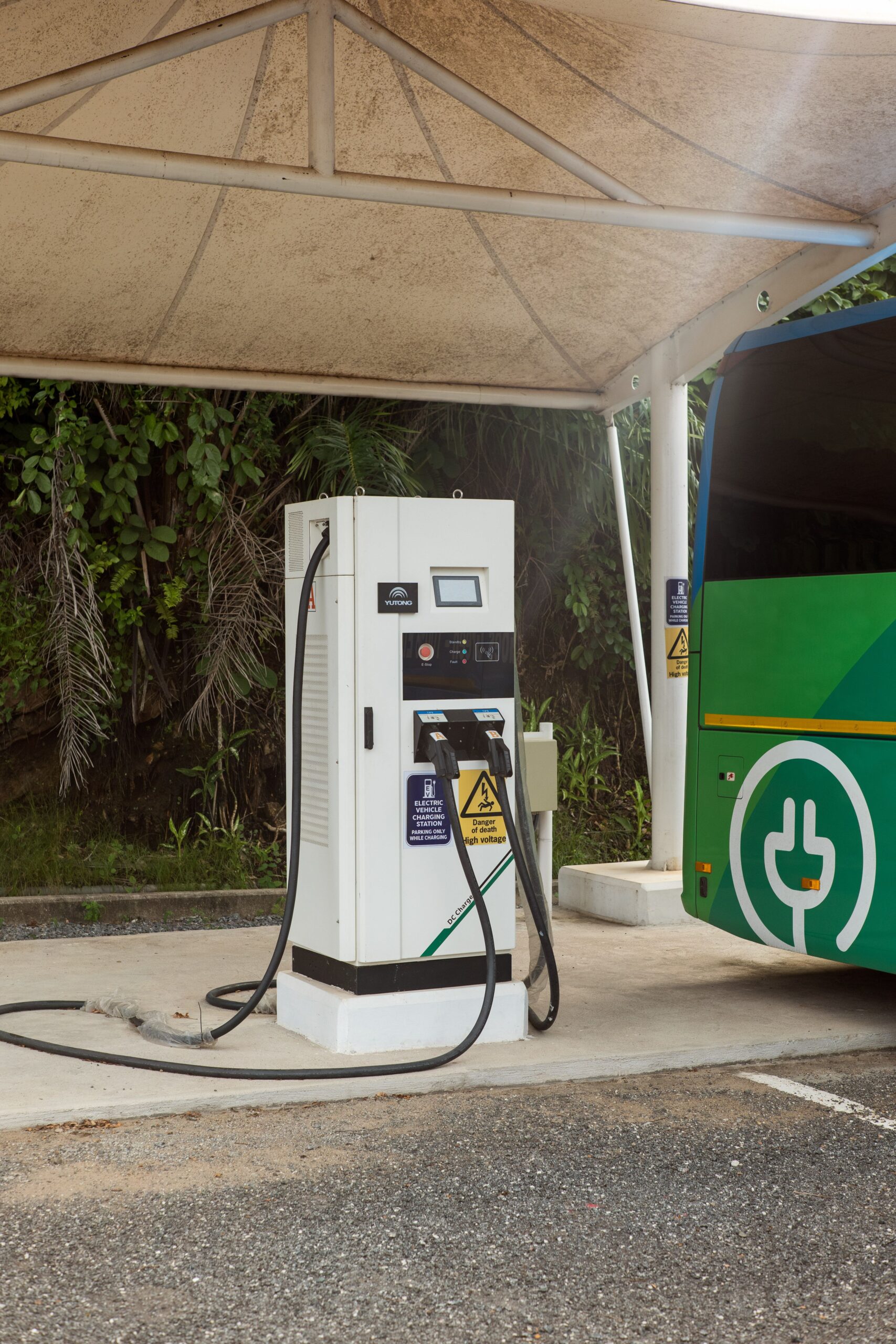
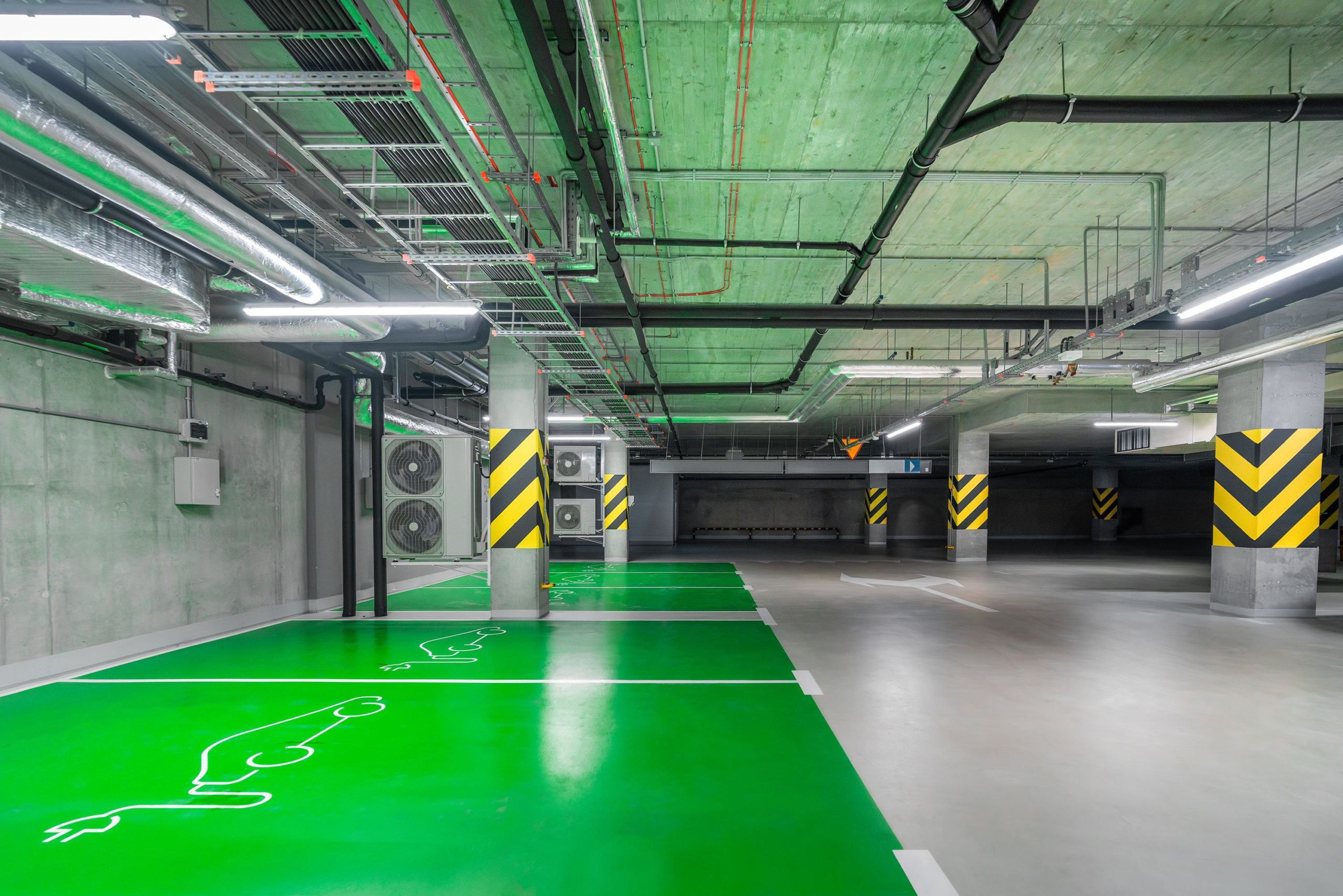
- The government is consulting on extending EV charge point requirements to new and substantially renovated covered car parks in England.
- The proposals include reviewing the £3,600 average electrical connection cost threshold and possible changes to charging equipment standards.
- Responses are invited until 16 December 2026; existing Part S requirements remain in force during the consultation.
The Department for Transport and Ministry of Housing, Communities and Local Government have opened a consultation on changes to England’s building regulations that could require electric vehicle charging points in new and substantially renovated covered car parks.
Published on 21 October, the consultation proposes extending the installation requirements under Part S to enclosed and open-sided parking structures. It also seeks views on the existing £3,600 electrical connection cost threshold, potential technical standards for charging installations and other amendments intended to improve the operation of the regulations.
Part S established requirements for electric vehicle charging infrastructure in new residential and non-residential buildings, certain developments undergoing major renovation and buildings undergoing specified changes of use. The requirements distinguish between the installation of operational charging points and the provision of cable routes that allow charging equipment to be added subsequently.
Covered car parks currently receive different treatment. Where relevant parking spaces are situated in enclosed or open-sided covered structures, the regulations require cable routes rather than installed charging points. The exception was introduced while further research was undertaken into the fire safety of electric vehicle charging in these environments.
The government has since published interim fire safety guidance and reviewed evidence concerning vehicle fires and charging arrangements. The consultation cites research suggesting that electric vehicles are less likely to experience fires than internal combustion engine vehicles and that charging in parking garages has not been shown to increase the probability of a fire occurring.
Those findings do not eliminate the need for appropriate electrical protection, fire safety assessment or site-specific design. Further research is being commissioned, with the government continuing to seek advice from industry and specialist bodies, including the Building Safety Regulator, before deciding whether the existing exemption should be changed.
If the requirement is extended, designers of affected buildings would need to accommodate functioning charging equipment rather than relying solely on future provision. The difference has implications for electrical distribution, space allocation and construction sequencing because an operational installation requires more than the physical route through which cables could eventually be installed.
Charge points require a suitable electrical supply, protective devices, cable containment and equipment locations that accommodate vehicle movements and maintenance access. In multi-storey parking structures, the design must also consider how power is distributed between floors and how electrical equipment interfaces with the building’s existing services and structure.
Where a car park forms part of a larger residential or commercial development, the additional electrical demand must be considered alongside the requirements of the building itself. Distribution boards, switchgear and incoming supply arrangements may need to accommodate charging loads without compromising other services. The required capacity will depend on the number and rating of chargers and the assumptions used to assess simultaneous demand.
Load management can help distribute available electrical capacity between vehicles, particularly where several chargers are installed within one development. Depending on the equipment, charging power can be allocated according to demand and available supply. The consultation includes consideration of effective load management among possible minimum technical requirements, but does not mandate a particular system.
Other technical questions include protective earth and neutral fault protection, wiring standards and voltage drop. The latter concerns the reduction in electrical voltage along a cable as current flows through it, which must be considered when specifying cable sizes and installation routes. Long distribution runs within large parking structures can make these calculations particularly relevant.
The proposed changes could also affect the renovation of existing buildings. Retrofitting charging installations may be more difficult where spare electrical capacity is limited or original construction did not provide convenient routes for additional services. Existing structural elements, occupied parking areas and restricted plant space can increase the complexity of installation.
The consultation separately addresses the £3,600 average connection cost threshold used within Part S. Under the existing regulations, the number of charging points required can be limited where the additional cost of electricity network connections or upgrades exceeds that amount per charging point. Cable routes must still be provided for spaces where the threshold prevents installation.
The connection cost is not the retail price of a charger or the complete cost of installation. It concerns additional expenditure on the incoming electrical supply needed to accommodate charging equipment, compared with the equivalent development without those charging requirements. The calculation can therefore depend on electricity network reinforcement, available capacity and the scale of the proposed development.
The government is considering whether the threshold remains appropriate following inflation and other cost changes since 2021. It is seeking views on retaining the existing figure, increasing it or introducing a method of annual adjustment, potentially using the Consumer Prices Index. No replacement amount or adjustment mechanism has yet been selected.
Further questions concern the clarity of Approved Document S and its definitions, including the meaning of major renovation and the technical requirements for cable routes. The government is also seeking evidence about infrastructure that could support future vehicle-to-everything charging, which would allow compatible vehicles to exchange electricity with buildings or the wider electrical system.
The consultation does not propose immediately mandating vehicle-to-everything technology. Instead, it asks whether future electrical infrastructure requirements could make buildings easier to equip with compatible systems as the technology develops. Separate proposals concerning permission for tenants and leaseholders to install charging equipment are being considered through another consultation.
The review applies to England and forms part of the statutory assessment of how Part S has operated since its introduction. Developers and building owners remain subject to the existing requirements while the consultation proceeds, and any new duties would require subsequent regulatory changes.
Responses must be received by 11:59pm on 16 December 2026. The government intends to consider the evidence before publishing its response and deciding whether to amend Part S. Until those decisions are taken, extending charging requirements to covered car parks remains a proposal rather than an obligation introduced by the October consultation.