IN Brief:
- Common Lane bridge is being replaced approximately one year earlier than its anticipated end-of-life renewal.
- The replacement will accommodate overhead line equipment for the Transpennine Route Upgrade.
- The main structural installation is scheduled for October, with the road reopening planned for June 2027.
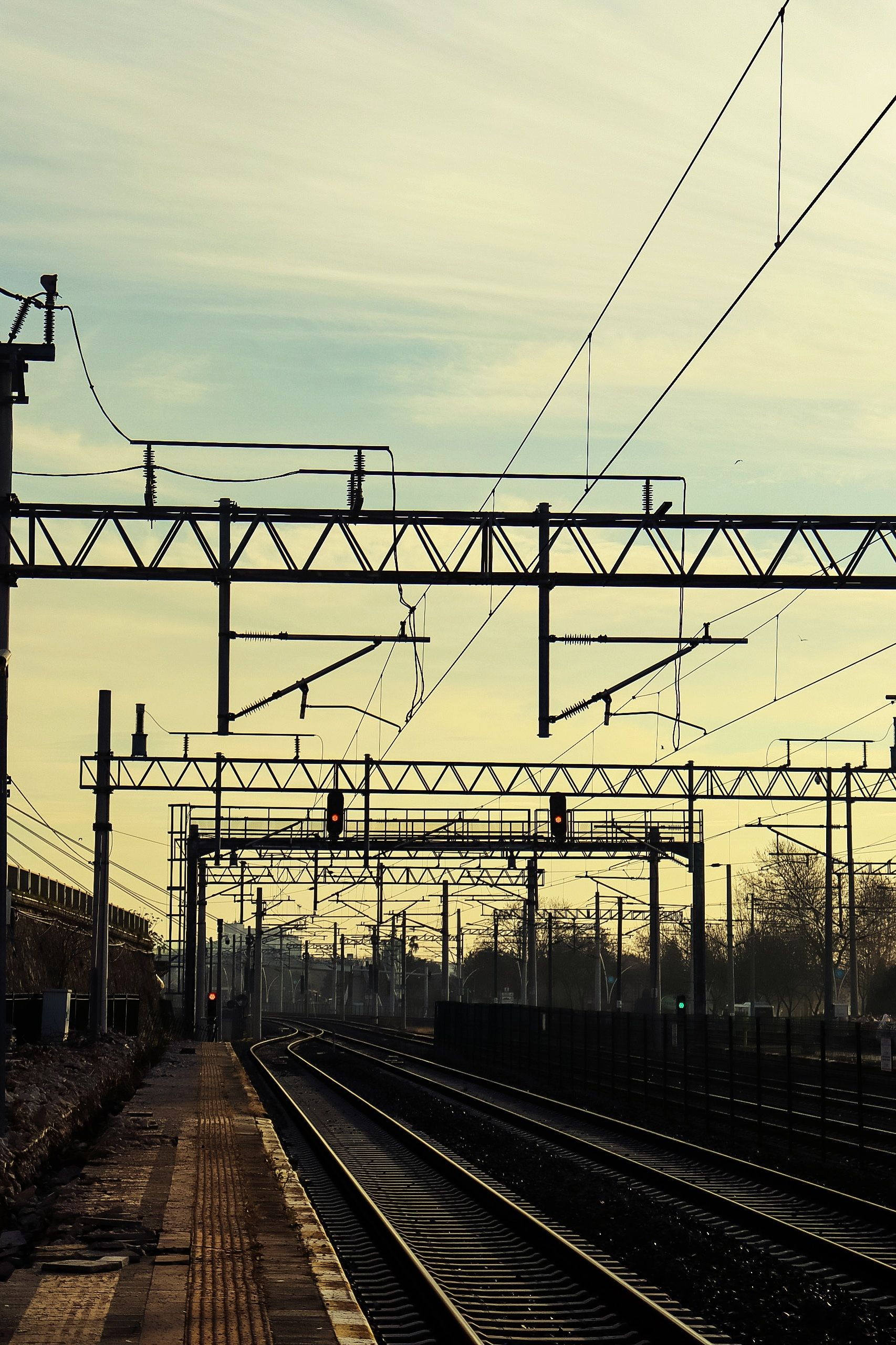
Network Rail is replacing Common Lane bridge at Church Fenton in North Yorkshire, bringing forward the renewal of an ageing road crossing so that overhead electric railway equipment can be accommodated beneath the new structure.
The project forms part of the Transpennine Route Upgrade. Work affecting train services is planned for 10–11 October, 17–18 October and the nine day period from 24 October to 1 November. The existing bridge is approaching the end of its service life and does not provide sufficient clearance for the overhead line equipment planned on the route between York and Leeds.
The replacement addresses both an asset condition problem and an electrification constraint. Network Rail had expected the bridge to require renewal in 2027, but aligning the intervention with the route upgrade avoids retaining a structure that would obstruct the next railway system installation. The new crossing is designed to provide room for future electric train operation.
The existing overbridge dates from 1900–01, when the railway at Church Fenton was being expanded. Its age is relevant because the dimensions of the crossing reflect historic railway requirements rather than those of an electrified route. Overhead equipment needs space for wires, supports and safe separation from structures, all within the physical envelope available above the track.
Preparatory road works began before the October railway possessions. Common Lane closed to road traffic in July to permit utility diversions and other enabling activity. This early stage allowed the main demolition and lifting operations to be concentrated into periods when trains would not be operating beneath the bridge.
On 10–11 October crews are due to remove the existing metal bridge deck and demolish its brick arch section. The next weekend provides another engineering access period, while the longer possession beginning 24 October supports the principal installation work. The project programme identifies bridge beams, deck sections, parapets and the necessary overhead line supports among the elements to be installed.
Removing a bridge above a working railway imposes restrictions not found on an isolated building site. The railway must be taken out of use beneath the work area during intrusive demolition and heavy lifting, with appropriate protection of nearby assets. A crane pad and temporary pedestrian arrangements were therefore established before the principal structural operations.
Once the new span has been placed, completion of the crossing remains a separate task. Waterproofing, utility reinstatement and road finishing must follow the main lift before the bridge can return to normal highway use. Utilities diverted before demolition are scheduled to be moved back to the replacement structure in early 2027, followed by road surfacing, barriers, signs and lighting during spring.
The project timetable targets 5 June 2027 for reopening Common Lane. That is a road programme milestone, not the date on which the wider Transpennine railway becomes fully electrified. Subsequent installation and testing of rail electrical equipment are part of the broader upgrade.
Passengers will encounter different arrangements during the three work periods. Buses replace trains between York and Leeds on 10–11 October and from 24 October until 1 November. On 17–18 October, trains between the cities are instead diverted via Castleford. These are distinct operating plans, so a single description of a month long closure would be inaccurate.
Two weekends within the longer Church Fenton possession also overlap with further East Coast Main Line engineering works. On 24–25 October and 31 October–1 November, buses will replace trains between Darlington, York and Doncaster while separate improvements are delivered. Travellers will need to distinguish those changes from the bridge replacement arrangements.
Advance coordination is necessary because access to the railway is limited and multiple worksites can affect the same passenger journeys. Bridge installation, track access, train diversions and bus connections have to operate within a shared timetable, while completion of the physical crossing must leave the railway ready for its scheduled return to use.
The Transpennine Route Upgrade is intended to improve the railway between York, Leeds, Huddersfield and Manchester, including infrastructure for electric operation. Reconstructing Common Lane removes one existing clearance restriction on that wider corridor. It does not by itself deliver power to trains or determine the final operating timetable.
For the local community, the consequences continue beyond the October structural installation. The road crossing remains unavailable while utilities and finishing work are completed, although the railway works are concentrated into identified possessions. Keeping these two programmes separate gives a more accurate account of the disruption and the intended reopening.
October possessions will allow the existing bridge to be removed and the replacement installed above the railway. Road users must wait longer: utility reinstatement and finishing work are expected to continue before Common Lane reopens in June 2027.