IN Brief:
- Network Rail begins an 18-day engineering programme in Fife on 10 October.
- The works include bridge reconstruction, track alterations and signalling upgrades.
- The programme forms part of £311.5m investment to electrify 118km of railway and introduce battery-electric trains.
Network Rail has begun an 18-day engineering phase in Fife to prepare sections of the railway for electrification, including bridge reconstruction, track alterations and signalling work. The programme started on Saturday 10 October and requires changes to passenger services while contractors access the railway.
The works form part of the Scottish Government’s £311.5m investment to electrify 118 kilometres of railway in Fife and introduce battery-electric trains. That figure describes the wider investment programme, not the value of this particular October construction possession.
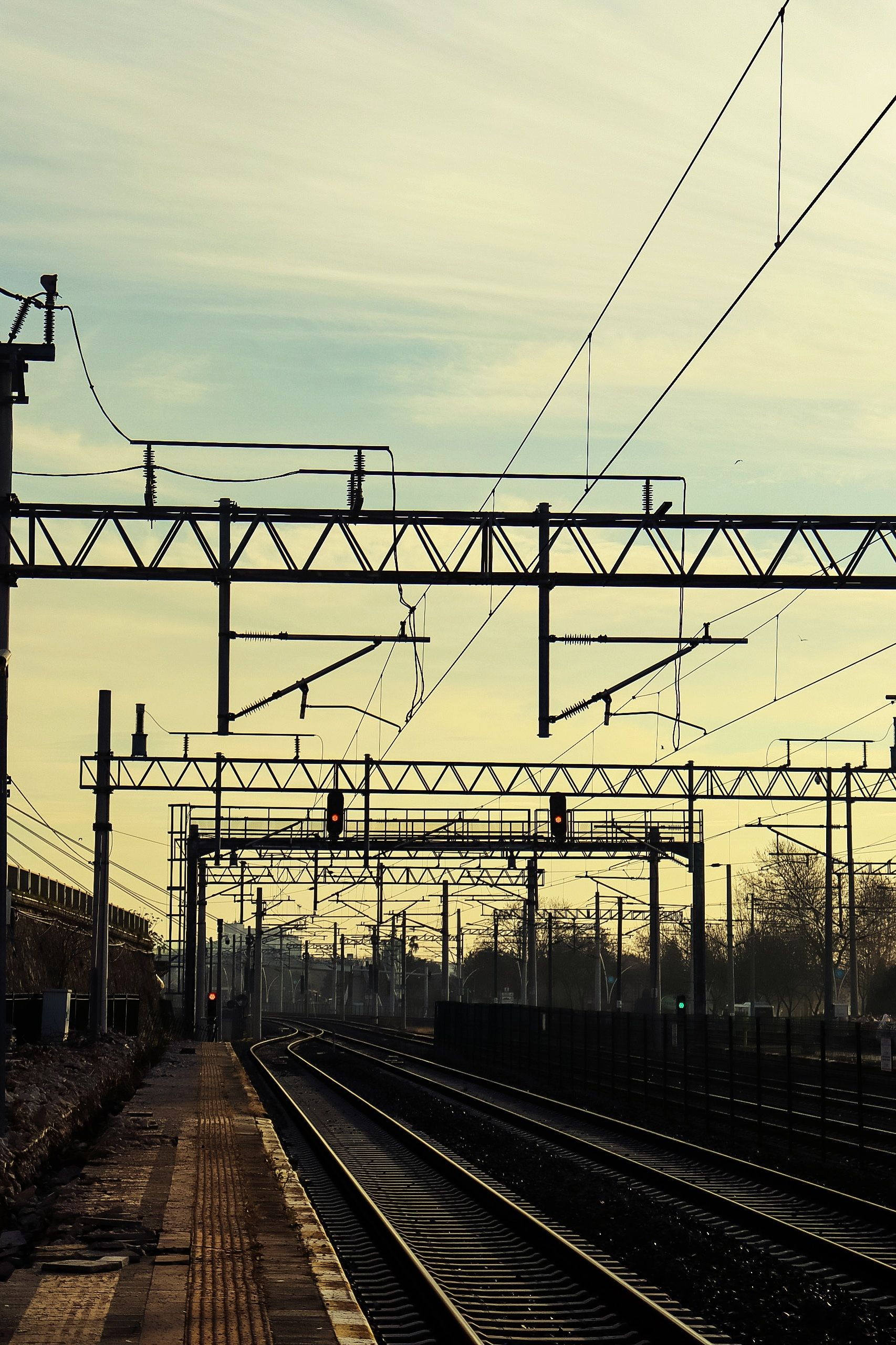
The programme requires existing infrastructure to provide enough room for overhead line equipment. On routes designed around diesel operation, bridges can stand too close to the track for electrical apparatus and the necessary clearances. Some structures therefore have to be rebuilt or the railway geometry changed before the electrical system can be installed.
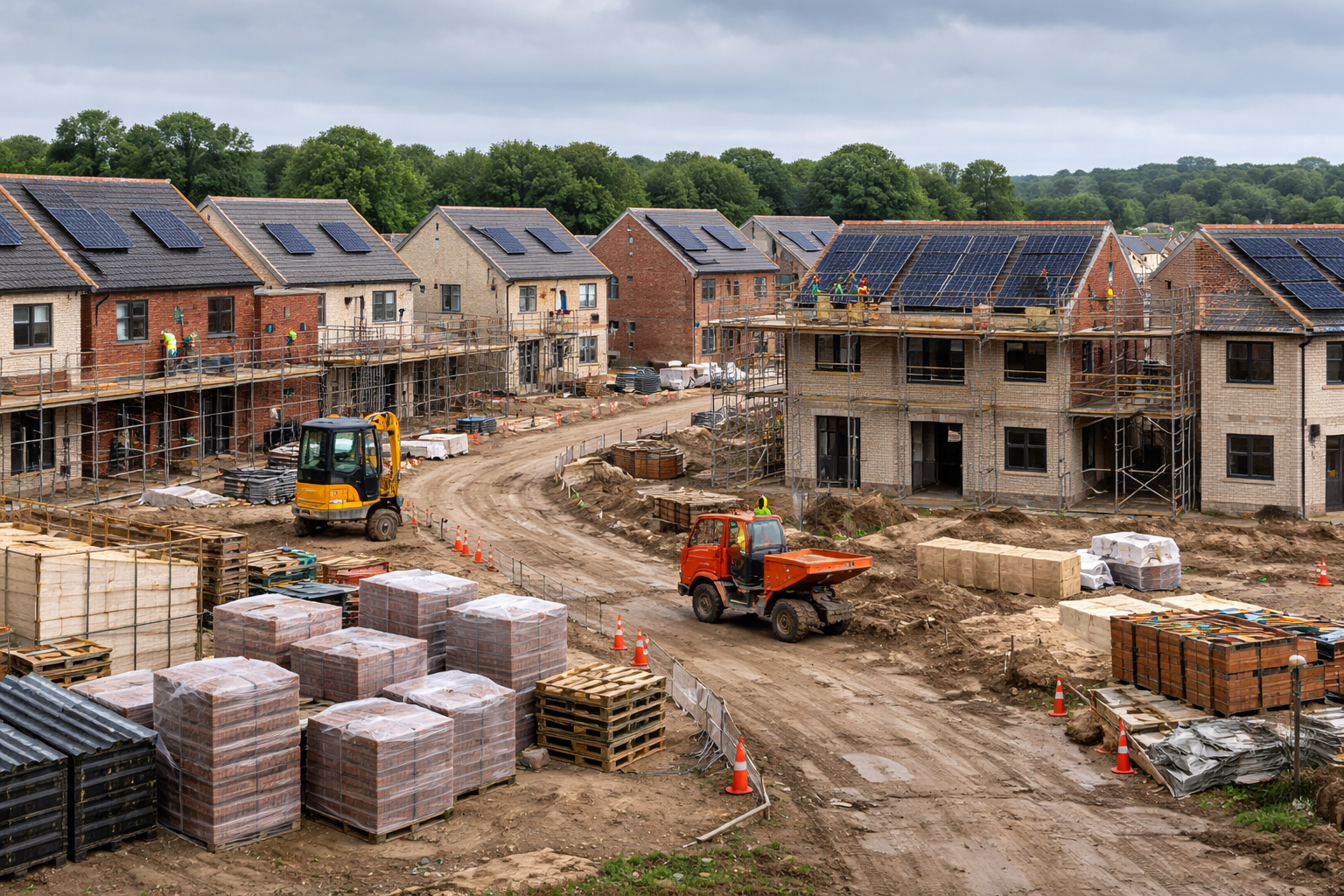
Three bridges form part of the current construction programme, alongside associated railway changes. The extended possession allows major structural operations to be undertaken together, rather than attempting demolition and reconstruction in short overnight access windows. The railway will subsequently require further electrical installation and testing.
The three bridge locations previously identified are Bennochy Road in Kirkcaldy, Muriespot near Coaltown of Balgonie and Main Street in Thornton. Reconstruction is part of creating the space for the planned overhead wires, alongside adjustments to tracks and railway systems needed to accommodate the revised infrastructure.
Bridge works require coordination between civil construction and the operating railway. Demolition and installation involve heavy equipment and temporary works near tracks that would normally carry trains. A possession gives teams a controlled period to work without conflicting with normal train movements, but it also imposes a deadline for the safe return of the route to service.
Track alterations may affect alignment, levels and the relationship with nearby platforms, structures and drainage. Those factors must be considered together because electrical clearance depends on the position of the rails relative to existing structures. Specific changes will vary by site within the programme.
Signalling equipment is another part of the integration task. Track and structural changes can require modifications to the location and connections of railway equipment. The current work includes signalling upgrades alongside the civil engineering interventions; the wider electrification programme will require further systems integration.
The approach combines several linked interventions rather than treating each bridge or track change as an isolated project. The aim is to remove physical constraints that would obstruct later electrical installation, while maintaining the safe operation of the railway as infrastructure is changed in stages.
Battery-electric trains are part of the programme’s planned service outcome. Such trains can use electricity supplied from overhead wires where available and stored energy on sections without continuous wiring, within the limits of the train specification and charging arrangements. The October construction works do not themselves constitute the introduction of those services.
Rail electrification depends on more than creating room beneath bridges. Subsequent installation of overhead equipment, power distribution, protection and testing must progress before trains can use the infrastructure as intended. The individual systems have to operate together within the railway’s safety requirements.
Passenger services are being altered while the engineering work takes place. Network Rail has asked customers to check the arrangements for their journeys because disruption depends on the routes and dates involved. The 18-day construction phase does not mean every line in Fife is closed continuously throughout the same period.
Long engineering windows permit operations that would be impractical during brief overnight access, but they also concentrate disruption for passengers and the wider transport network. Progress needs to be managed against structural work, track and signalling changes and the checks necessary for the safe return of train operation.
The £311.5m budget covers the broader electrification programme and rolling stock transition rather than just the October possession. Programme benefits, including reduced diesel operation, depend on completing the remaining electrical infrastructure and putting the intended trains into service.
The extended access window places particular demands on engineering sequencing. A completed bridge or track intervention must connect safely with adjoining railway assets, and the route must undergo the necessary checks before ordinary train movements can resume.
Bridge reconstruction must leave space for the planned electrification equipment while preserving the required track geometry. Track and signalling teams then have to coordinate their interventions with the civil engineering works. The extended possession provides access for those connected activities, but the infrastructure must still be inspected before the affected railway returns to operation.
The 18-day closure allows bridge reconstruction, track adjustments and signalling changes to be coordinated before railway services resume. Overhead-line installation and the transition towards battery-electric trains remain part of the wider Fife programme.