IN Brief:
- The Grade II listed bridge has reopened following repairs to damage caused by a vehicle.
- Specialist stonemasons reconstructed the damaged parapet using traditional conservation techniques.
- Permanent traffic signals, a controlled pedestrian crossing and improved footways have been introduced.
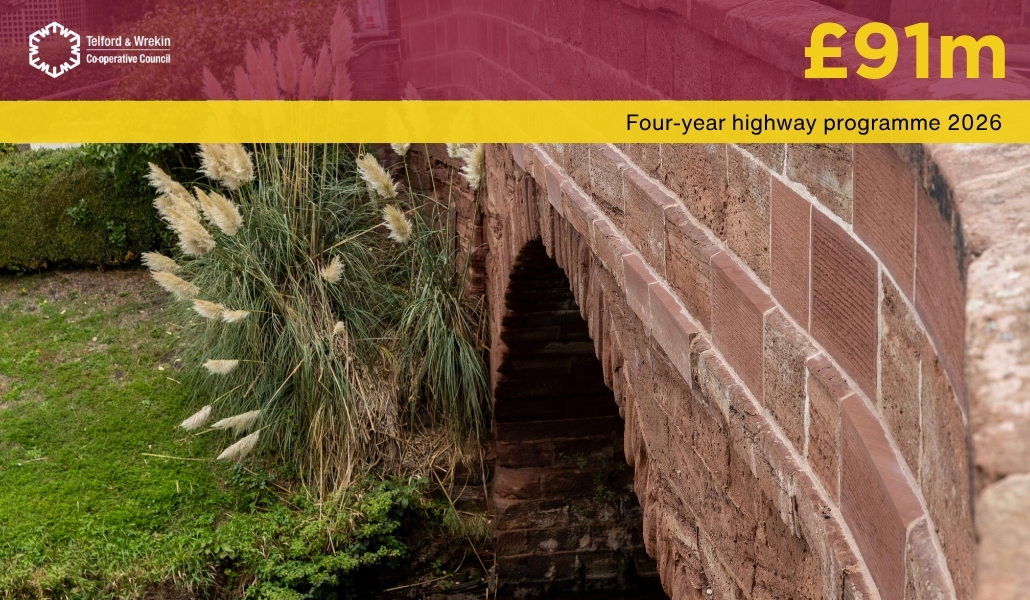
Longdon upon Tern Bridge in Shropshire has reopened following restoration of its damaged stone parapet and changes to traffic and pedestrian arrangements. Telford & Wrekin Council completed the programme after vehicle damage to the Grade II listed crossing, combining repairs to historic masonry with measures requested by local residents.
The bridge dates back more than 200 years and continues to carry local road users. Specialist stonemasons rebuilt the damaged parapet using traditional conservation techniques, while permanent traffic lights, a controlled pedestrian crossing and improved footways were introduced to manage movement across and around the structure.
Repairing a parapet on a historic bridge is different from replacing a standard modern roadside barrier. The parapet forms part of the bridge’s visible fabric, with stonework, joints and detailing contributing to its heritage character. Any intervention therefore has to respond to the extent of damage while retaining compatible materials and workmanship.
Vehicle impact can cause local damage that must be considered alongside the condition of adjacent masonry. Rebuilding the affected section calls for attention to its connection with surviving work and the way the completed parapet will be maintained. Traditional techniques can preserve the appearance of the crossing while restoring damaged components to service.
The exact stone specification, mortar mix and structural testing results have not been disclosed, so the completed work cannot be characterised as an extensive strengthening scheme. The confirmed scope is reconstruction of the parapet and the associated road safety and pedestrian improvements.
The historic nature of the structure places limits on how changes can be made. A replacement bridge could be designed around present-day traffic requirements from the outset, whereas a listed crossing must accommodate safety improvements within the form and constraints of an existing asset. Conservation and highway engineers must therefore consider different objectives within the same programme.
Permanent traffic signals now regulate traffic movements over the bridge. Where width or approach conditions constrain opposing vehicles, signals can organise movements into controlled stages. Their operating details will determine how drivers approach and pass over the crossing, while signs and road markings support the intended arrangement.
The new controlled pedestrian crossing and improved footways address a separate requirement: providing a more legible route for people on foot. Historically important road crossings can be difficult for pedestrians when narrow spaces must be shared with motor vehicles. Dedicated crossing provision changes that interaction without replacing the underlying bridge.
The scheme consequently addresses both an immediate repair and longer-standing concerns about safe access. Rebuilding damaged stonework restores the affected historic fabric; traffic regulation and pedestrian facilities alter the operating environment around it. Each component serves a distinct purpose, although the finished crossing must work as a whole.
Longdon upon Tern’s bridge remains part of an active local road network. Maintaining that function is important to communities that depend on the crossing for everyday journeys. Restoring the existing asset also retains a recognisable part of the area’s landscape and architectural history.
Listed status does not remove the need to manage risk for contemporary road users. It requires interventions to be planned with awareness of the structure’s significance. The balance is particularly apparent when new roadside equipment and crossing facilities are introduced near old masonry that the authority intends to preserve.
Road safety performance cannot be established immediately from completion of construction works. The permanent signals and pedestrian arrangements are intended to improve movement, but measured results would depend on use after reopening and any subsequent monitoring. No reduction in accidents or journey delays has yet been established as a project outcome.
The restoration involved a period when access was disrupted while repairs and associated highway work took place. The reopening returns the crossing to routine use and allows residents to assess the new layout under normal conditions. The authority has presented the work as both a heritage investment and a response to local safety concerns.
The restored bridge now combines traditional masonry repairs with permanent signals, a controlled pedestrian crossing and improved footways, allowing the historic crossing to return to everyday use.
Longdon upon Tern Bridge has reopened with its damaged stone parapet repaired, permanent traffic signals installed and pedestrian facilities improved. Those completed works address the structure’s historic fabric and its continued use as a local road crossing.