IN Brief:
- PATRIZIA has pledged £1bn to its UK Essential Living Platform.
- The platform aims to support delivery of up to 4,000 affordable, professionally managed homes.
- Projects and local delivery arrangements will be developed with mayors and regional partners.
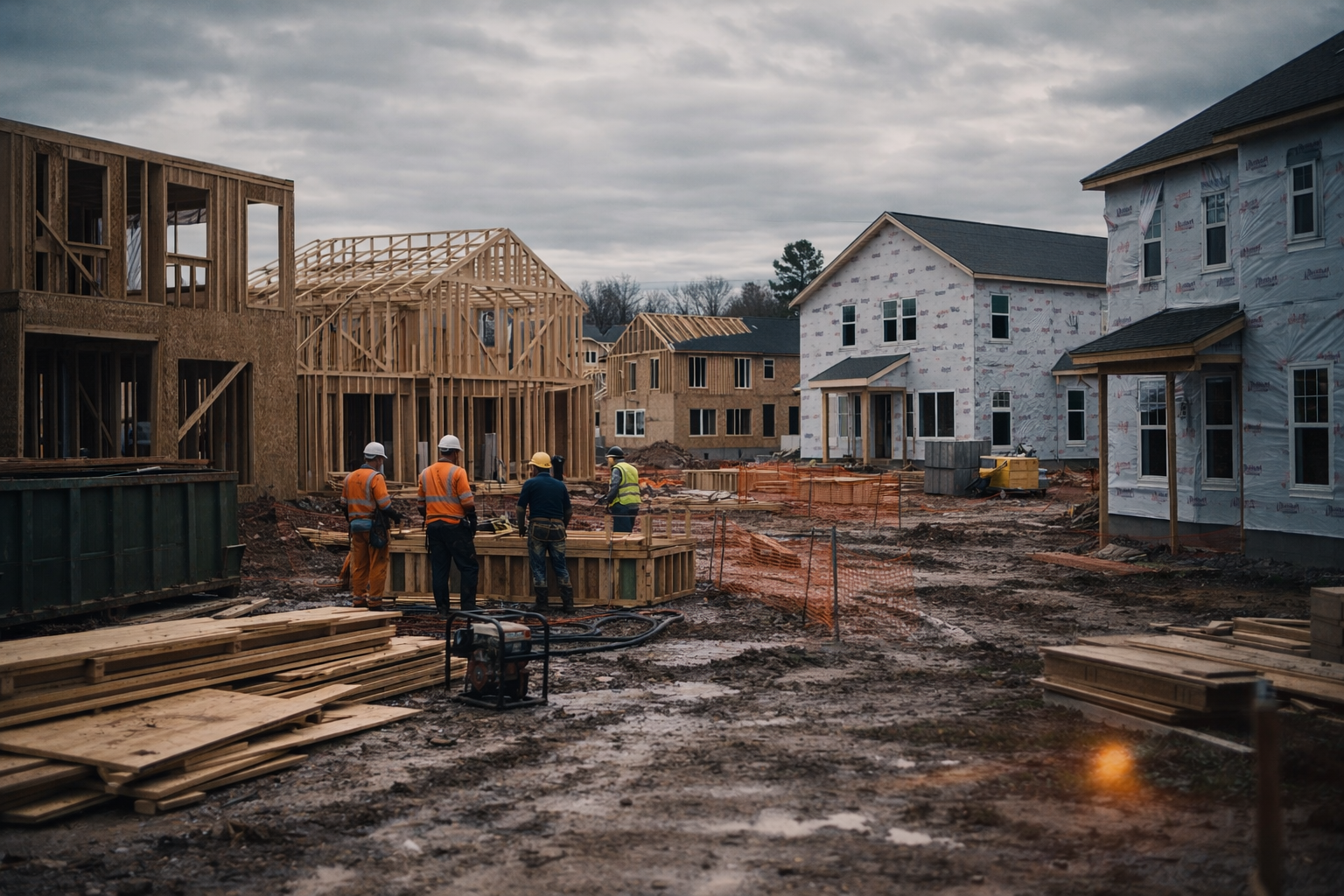
PATRIZIA has committed £1bn to expanding its UK Essential Living Platform, targeting up to 4,000 affordable and professionally managed homes through partnerships with mayors and local organisations. The investment commitment was unveiled at the UK-Germany Regional Growth Forum in Berlin on 8 October, where regional development and access to long-term capital were central themes.
The platform will seek residential opportunities across the UK’s regions and nations, connecting institutional investment with local housing requirements. Its intended output is expressed as up to 4,000 homes, rather than a fixed construction programme with named sites and handover dates. Individual schemes will have to progress through land, design, planning and procurement decisions before construction can begin.
PATRIZIA already manages a substantial investment portfolio in the UK. The planned £1bn capital mobilisation builds on approximately £4bn previously invested by the company in the country. The existing portfolio and the proposed additional housing investment are distinct sums; the latter identifies capital intended for future activity through the Essential Living Platform.
Affordable housing demand varies between places, as do land availability and the cost of delivering new accommodation. Partnership with mayors and local organisations is intended to help match investment to those conditions. Authorities can identify strategic sites, growth priorities and the infrastructure pressures associated with new housing, while an investor can assess how projects might be financed and managed.
An investment platform is not equivalent to a main construction contract. Development sites first require commercial and technical appraisal, including the condition of the land, access to utilities and the feasibility of connecting homes to surrounding transport and services. Planning permission and the appointment of contractors follow separate processes governed by each proposed scheme.
Brownfield housing can involve clearance, remediation and the adaptation of existing infrastructure before building work. Other sites may be simpler to prepare but require additional highway, drainage or community capacity. Such distinctions affect programme length and viability and mean the platform cannot be translated into a uniform construction cost per home.
The planned homes are described as affordable and professionally managed. That description does not determine a single rent level, tenure structure or allocation mechanism across the entire portfolio. Those arrangements will be established through the relevant investment and development agreements, along with any planning obligations or housing policies that apply to particular locations.
Construction organisations may eventually compete for design, enabling works, building and infrastructure packages generated by the platform. The volume and timing of work will depend on the rate at which investment opportunities become executable schemes. A headline capital allocation cannot independently establish the number of construction sites that will open in a particular year.
Long-term capital can be valuable to residential development because it may support ownership and management of completed homes beyond initial construction. That operating model creates requirements for building quality, durability, maintenance and energy performance. The precise standards and methods chosen for these homes have not yet been attached to a published site-level programme.
Asoka Wöhrmann, chief executive of PATRIZIA, linked the initiative to demand for affordable housing and the potential for institutional investment to work alongside public bodies. The company’s approach depends on identifying developments that meet local needs while satisfying the financial and operational requirements of long-term ownership.
The Berlin forum brought together representatives of British and German government and business. It also established an intention to strengthen regional dialogue between the countries during 2027. That diplomatic cooperation provides context for the investment commitment, although the actual housing delivery programme will be determined by commercial and planning decisions in the UK.
Potential delivery partnerships will also need to reconcile the interests of an investment manager with local housing objectives. Questions about rent affordability, allocation, long-term maintenance and the management of shared facilities will vary by project. A scheme that attracts financing still has to satisfy relevant planning policies and the physical demands of construction, including access and utilities. These questions will influence which sites reach the building stage first.
Site selection will require assessment of land suitability, infrastructure capacity and the planning framework before construction procurement begins. Regional partners may identify opportunities, but each proposal will require its own investment and delivery decisions.
The next measurable delivery milestones will be the identification of sites, development approvals and the award of individual building contracts. Until such decisions are taken, the proposed 4,000-home output remains the platform’s target, rather than completed or contracted construction.