IN Brief:
- Holcim is installing a recycling-integrated roofing membrane production line at Heinsberg in Germany.
- The process is designed to reuse all TPO and PIB edge-trim offcuts generated during membrane production.
- Capacity is expected to reach up to 12 million square metres annually after launch in the second half of 2027.
Holcim is installing a roofing membrane production line at its Heinsberg plant in Germany that will combine annual capacity of up to 12 million square metres with an integrated process for returning production offcuts into manufacture.
The line is scheduled to begin operating in the second half of 2027. It will produce single-ply roofing membranes while recycling thermoplastic polyolefin and polyisobutylene edge trim generated during the manufacturing process.
Holcim says the system is designed to reuse 100% of those TPO and PIB edge-trim offcuts, with the wider process targeting near-zero manufacturing scrap sent to landfill. Twin-screw extrusion will be used to process recycled material back into raw material suitable for membrane production.
The investment addresses waste at the point where its composition is comparatively well controlled. Production trim comes from known polymer formulations and has not spent years exposed to weather, adhesives, contamination or other materials encountered when an existing roof is stripped.
That distinction makes factory scrap a more straightforward recycling stream than recovered demolition material. Edge trim can be collected close to the production line, processed and returned under controlled conditions without first separating the mixed components of an existing roof build-up.
The twin-screw extrusion system is intended to provide sufficient mixing and dispersion to handle different formulations while maintaining finished-product quality. Holcim also describes the new line as using lower-energy production, although it has not published a quantified energy-consumption figure for the equipment.
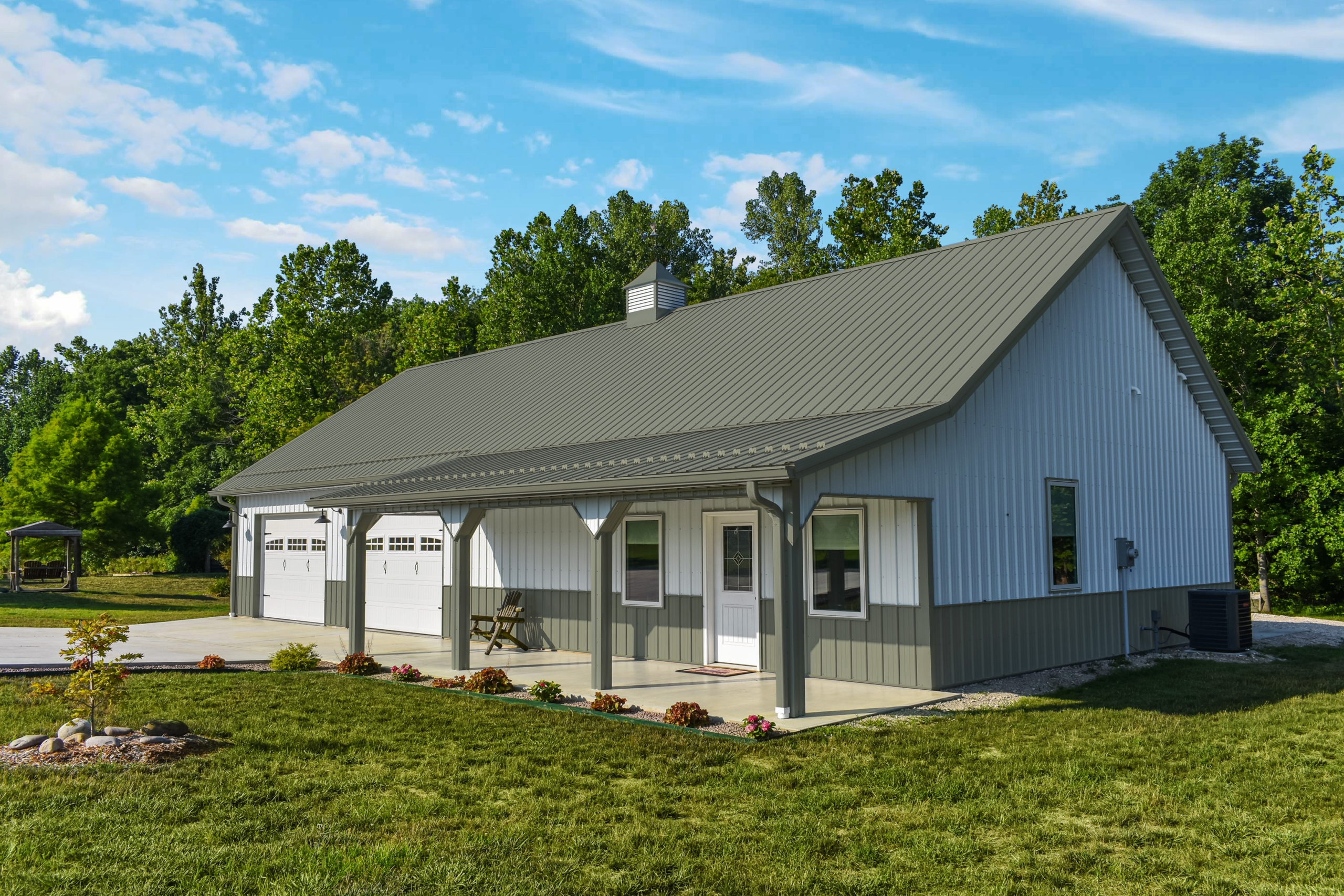
Single-ply TPO and PIB membranes are primarily used on flat and low-slope roofing. Their role in the completed building is straightforward but critical: the installed membrane has to provide a durable waterproof layer while accommodating the detailing, joints and penetrations found across commercial, industrial and architectural roofs.
That places limits on how far recycling can be treated solely as a waste-reduction exercise. Reintroduced material still has to produce membrane with consistent manufacturing characteristics and sufficient quality for fabrication, installation and long-term exposure.
Holcim says the process will maintain high-grade output across a range of formulations. The performance of the integrated recycling system will therefore depend on controlling material streams carefully enough to avoid recycled offcuts introducing variability into later production runs.
The advertised capacity of up to 12 million square metres a year moves the project beyond a small recycling trial. Once commissioned, the process will operate inside a commercial manufacturing line serving roofing products for new construction and refurbishment.
At that scale, relatively small reductions in scrap per square metre can accumulate into substantial material volumes. Returning edge trim to production also reduces the amount of virgin feedstock required to replace material that would otherwise leave the factory as waste.
The Heinsberg project should nevertheless be separated from the more difficult question of recycling membranes removed from existing buildings. Post-use material may contain dirt, adhesives, reinforcement or other components that complicate separation and reprocessing, while its formulation and service history may be less predictable.
Holcim’s wider circular construction programme addresses other waste streams, including construction and demolition materials. The company reports that it recycled eight million tonnes of construction demolition material in 2025 and is targeting more than 20 million tonnes annually by 2030 under its NextGen Growth 2030 strategy.
Those figures do not describe the Heinsberg membrane process directly. The roofing line deals with internal manufacturing scrap, while the wider construction demolition target concerns recovered mineral and building materials. Both sit within the same corporate circularity strategy, but they involve different technical and logistical problems.
Roofing also forms part of Holcim’s effort to expand higher-value Building Solutions. Its current strategy places systems covering areas from foundations and floors to walling and roofing alongside its established building materials operations.
The manufacturing investment therefore has a commercial purpose as well as an environmental one. Increasing membrane capacity gives Holcim additional output for the roofing market, while the integrated recycling process is intended to limit the material loss created by that higher production volume.
Commissioning remains more than a year away. Extrusion equipment, scrap collection, dosing, process controls and quality assurance will have to operate as one manufacturing system before the plant can approach its stated capacity and waste targets.
The useful test will come once continuous production begins. A circular process in this setting succeeds only if recovered trim can repeatedly return to saleable membrane without reducing throughput or introducing inconsistency into a product whose principal job is to keep water out of buildings for years after installation.