IN Brief:
- Wynne Construction is drawing on its experience of England’s strengthened building-safety regime as requirements develop in Wales.
- The contractor has increased design-management, information-control, training, and compliance processes on projects including Kings Moat Community Primary School.
- Welsh reforms place greater emphasis on defined duties, controlled building information, competence, and formal approval procedures.
Wynne Construction is applying experience gained under England’s strengthened building-safety regime to its work in Wales, arguing that earlier preparation, clearer responsibilities, controlled information, and project-team competence will become increasingly important as Welsh regulatory reforms take effect.
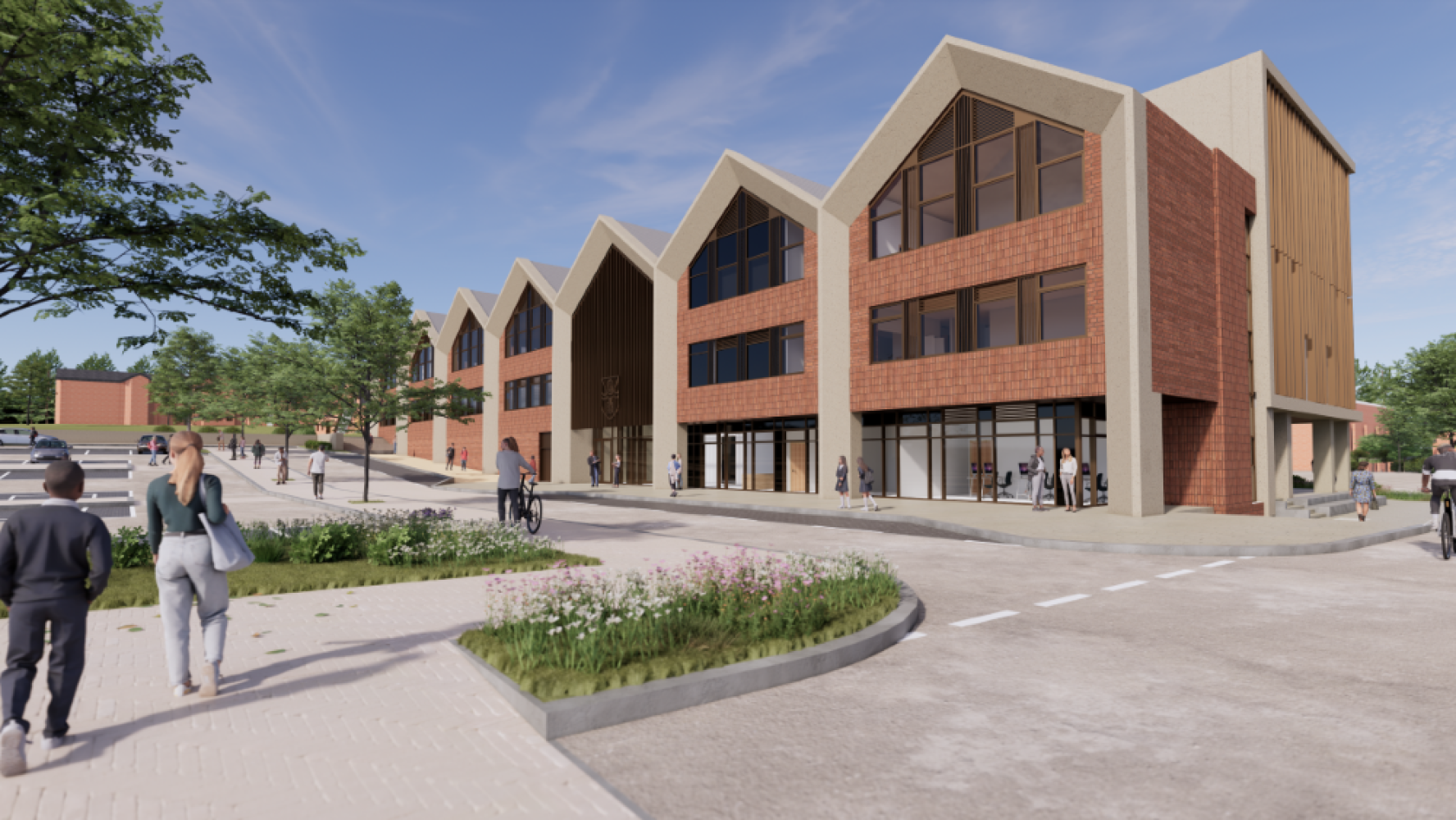
The Denbighshire-based contractor has strengthened its design-management, data-control, training, and compliance processes while operating across Wales and the North West of England. Its experience includes the £8 million Kings Moat Community Primary School in Chester, where specialist third-party input was used to provide additional assurance to the project team.
Richard Beatson, Design and BIM Manager at Wynne Construction, said: “The key is not to panic in the face of regulatory change. These reforms are ultimately about creating safer buildings from inception through to completion. That’s why on Kings Moat, we brought in specialist third-party expertise to assist the project team and provide additional assurance.”
The lessons are increasingly relevant in Wales because several regulatory strands are moving at the same time. New building-control procedures for higher-risk buildings place additional requirements on design and construction, while the Building Safety (Wales) Act 2026 establishes a separate safety regime applying to occupied multi-occupied residential buildings.
For construction teams, the practical direction is broadly consistent even where the legal duties differ. Clients, designers, contractors, and principal dutyholders are expected to understand their responsibilities, demonstrate competence, maintain reliable records, and prevent design or construction changes from bypassing the approvals needed to establish compliance.
Wynne has placed particular emphasis on its common data environment. The digital platform provides a controlled location for drawings, specifications, revisions, and other project information, reducing the risk of teams working from superseded documents and creating a clearer record of decisions made during design development.
Beatson said: “Updating our workflows supports the ‘golden thread’ of building information, ensuring important decisions, design development, and amendments are properly recorded and controlled.
“Our cloud-based common data environment (CDE) has been vital. It enables us to track design alterations, maintain revision histories, and ensure our teams and supply chain partners are always working from the latest approved information.”
The technology itself is only part of the control process. A common data environment can show which revision is current, but project teams still need competent people to review the information, understand the consequences of a change, and decide whether further approval or coordination is required.
That becomes particularly important where design responsibility is distributed between consultants, contractors, and specialist subcontractors. Building envelopes, fire-stopping, structural interfaces, mechanical systems, electrical systems, façades, and other packages may each involve detailed design by different organisations, even though their performance depends on the completed building working as a whole.
Late changes therefore have wider implications than the drawing on which they first appear. A product substitution may affect fire performance, structural loads, interfaces, maintenance access, or another contractor’s installation, while an apparently modest services alteration can affect compartmentation or previously coordinated penetrations.
Better information control is intended to make those consequences visible before work proceeds. It also creates a record showing how the change was considered, who reviewed it, and which information ultimately formed the basis of construction.
Wales’ higher-risk building procedures place the strictest design and construction controls on buildings meeting defined height or storey thresholds and specified uses. Current Welsh guidance treats a building as higher risk for the design and construction regime where it is at least 18 metres high or has at least seven storeys and contains qualifying residential accommodation, a hospital, care home, or children’s home, subject to defined exclusions.
That framework increases the importance of clearly allocated dutyholder roles, formal building-control approval, management of changes, and retained building information. The broader direction also affects projects outside the formal higher-risk definition because major clients and contractors increasingly use similar competence and information standards across their wider portfolios.
Wynne has therefore incorporated training alongside changes to its digital processes. Beatson said comprehensive preparation was undertaken before construction at Kings Moat so that project participants understood both the regulatory requirements and the responsibilities attached to their roles.
Early training reduces the likelihood that compliance becomes the responsibility of a small design or BIM team operating separately from site delivery. Site managers, subcontractors, designers, commercial teams, and those approving changes all interact with information that can affect whether the completed building matches its approved design.
The approach also has programme implications. Resolving responsibilities and information requirements during pre-construction is generally less disruptive than stopping work because an approval, design interface, or compliance record cannot be demonstrated after materials have been ordered or installation has begun.
Supply-chain appointments consequently need to happen early enough for specialist design information to enter the coordination process. Appointing a subcontractor late may protect cash flow during procurement, but it can compress the period available for technical review and increase the temptation to resolve design issues after construction has started.
Beatson said: “The main lesson from our experience working in England is that preparation needs to start early. The better prepared clients, consultants, and contractors are from the outset, the easier these changes become to integrate into normal project delivery.
“Ultimately, the objective is to deliver buildings that are safe, compliant, and properly understood during their lifespan.”
That final point extends the issue beyond practical completion. Better building records are intended to give owners and operators a clearer understanding of what was installed, how important systems were designed, and what later alterations may affect safety.
For contractors, the regulatory shift is therefore less about one new form or approval gate than a change in evidential standards. Design coordination, competent appointments, accurate records, and controlled revisions have always influenced construction quality; Welsh reforms increasingly require teams to demonstrate that those processes occurred rather than relying on the finished building as the only evidence.