IN Brief:
- BDW Trading has agreed a £201,500 Environment Agency enforcement undertaking after a 2022 pollution incident.
- Silt from Ladden Garden Village entered the Ladden Brook and Tanhouse stream during drainage cleaning and surveying.
- The company has already spent more than £180,000 on remediation, training, and improved surface-water practices.
Barratt Redrow group company BDW Trading has agreed a £201,500 enforcement undertaking after silt from its Ladden Garden Village development in Yate entered the Ladden Brook and Tanhouse stream.
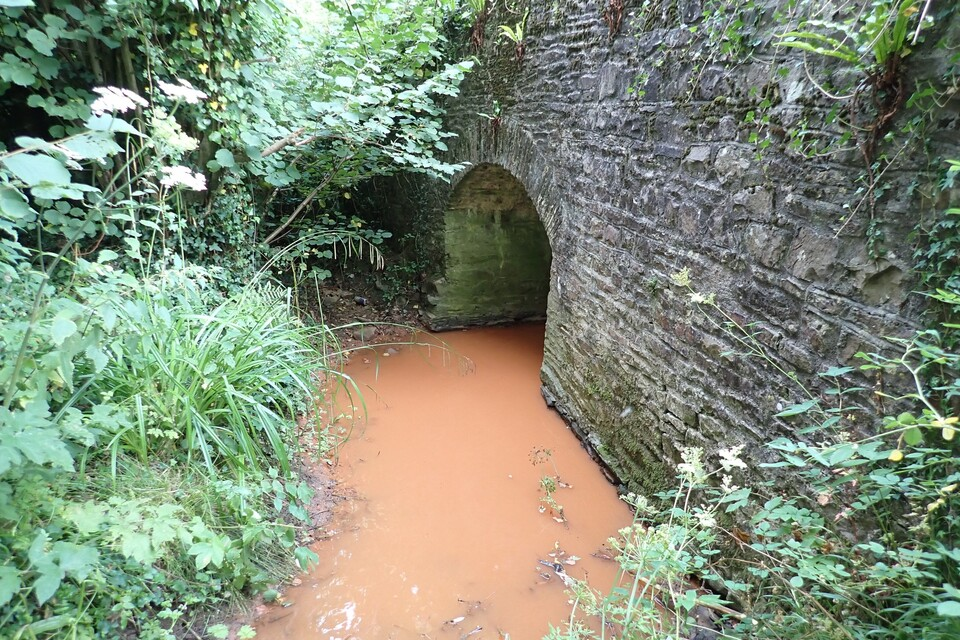
The pollution occurred over six days in July 2022 after a contractor jet-washed silt while cleaning and surveying land drainage at the housing development. Material moved through the drainage system into the nearby watercourses, prompting an Environment Agency investigation.
BDW Trading acknowledged responsibility and has spent more than £180,000 on remediation, staff training, and improved surface-water management practices. It has also paid the Environment Agency’s costs and obtained a permit intended to ensure that water discharges from the site are properly regulated.
The £201,500 undertaking will be directed to environmental projects rather than paid as a conventional fine. Bristol and Avon Rivers Trust will receive £165,000 for work including fish recovery in the River Chew catchment, community engagement, and environmental DNA monitoring.
Tortworth Forest Centre will receive £11,500 for woodland wellbeing and tree planting, while Avon Wildlife Trust will receive £25,000 towards the cost of a community ecologist. Together, the three allocations account for the full undertaking.
The Environment Agency accepted the agreement after considering BDW Trading’s clean-up response and its investment in measures intended to prevent a repeat. The regulator said proper procedures would have prevented the original incident.
An enforcement undertaking is a voluntary agreement offered where the Environment Agency has reasonable grounds to suspect that an environmental offence has occurred. Once accepted, the agreement becomes legally binding and can include measures to restore environmental harm, compensate affected parties, prevent recurrence, and deliver environmental benefits.
Completion of an accepted undertaking generally removes the need for prosecution for the original offence covered by the agreement, although failure to comply can lead the regulator to reconsider other enforcement options. The details are also published, giving the sanction a public regulatory record even though it is not a conventional court fine.
The physical cause of the Yate incident was comparatively routine construction activity. Jet washing during land-drainage cleaning was sufficient to mobilise silt and carry it through connected drainage into the Ladden Brook and Tanhouse stream.
That sequence puts drainage knowledge, contractor briefing, and temporary pollution controls alongside permanent site infrastructure. Gullies, pipes, attenuation features, settlement systems, and outfalls can move contaminated water beyond a site boundary quickly if teams do not understand how temporary construction activity connects into the wider drainage network.
The financial consequences extend beyond the £201,500 environmental contribution. BDW Trading has already spent more than £180,000 on remediation, training, and revised surface-water management, in addition to regulator costs and permitting work.
Those costs arose from an incident linked to cleaning and surveying rather than a failure of a major permanent asset. The case therefore illustrates how relatively small site operations can create substantial downstream liabilities when silt or contaminated water reaches a connected watercourse.
Environment Agency policy expects an enforcement undertaking to address the cause of the offending as well as its consequences. Offers are more likely to be accepted where they include steps to prevent recurrence and provide environmental improvement beyond the minimum action necessary to return to compliance.
The BDW Trading agreement follows that structure. Remediation, revised working practices, training, and permitting address controls at the development, while the £201,500 contribution funds separate environmental work within the region.
Surface-water management remains a persistent construction risk because temporary drainage arrangements can remain in use for long periods before permanent systems are fully commissioned. Multiple contractors may also work around drainage assets during earthworks, roads, utilities, landscaping, and final infrastructure installation, creating opportunities for responsibility to become fragmented.
The Yate case has now reached a regulatory settlement, but the underlying construction issue is procedural. More than £380,000 has been committed through the undertaking and the company’s own remediation expenditure after silt was allowed to leave a development through its drainage system — a considerably more expensive outcome than controlling the material before it entered the watercourses.