IN Brief:
- Richard Cole, Stephen Kenny, and Amy Lowden of KBL Advisory were appointed joint administrators of Forshaw Demolition on 24 July.
- The Bolton company was incorporated in August 2003 and is registered as a demolition business.
- Clients on any unfinished packages will need clear control of site safety, records, temporary works, plant, and completion responsibilities before work resumes.
Forshaw Demolition has entered administration, with Richard Cole, Stephen Kenny, and Amy Lowden of KBL Advisory appointed as joint administrators of the Bolton-based demolition contractor.
The formal appointment took effect on 24 July 2026. Forshaw Demolition Limited, company number 04857184, was incorporated in August 2003 and is registered at Westhoughton, with demolition listed as its nature of business.
The administrator appointment notice does not provide a cause of the failure, a creditor total, or a schedule of current projects. Those details should therefore await formal proposals or statements from the administrators rather than being inferred from the appointment itself.
For construction clients, the immediate consequences of a demolition contractor entering administration depend heavily on the status of individual sites. A completed package may require little beyond final commercial reconciliation, while a partially demolished structure can create an urgent operational problem before questions of replacement procurement are considered.
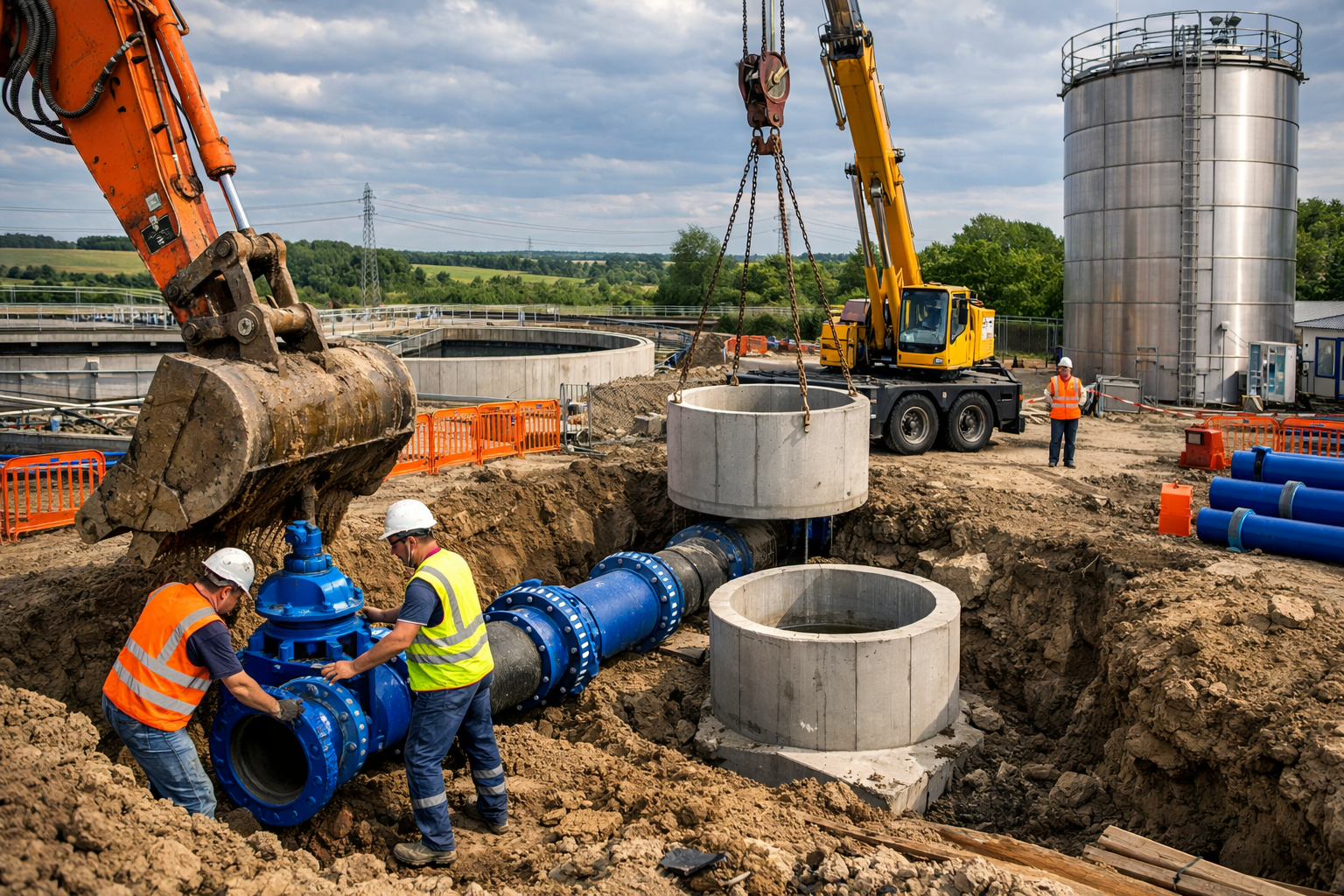
Demolition work is unusually sensitive to abrupt changes in control because the contractor may be managing structures in an intentionally transitional condition. Walls can be partially removed, temporary works may be supporting retained elements, exclusion zones can remain active, and services or hazardous materials may be at different stages of isolation and clearance.
A client facing an unfinished package therefore needs to establish who holds responsibility for the site and what condition has been left behind. Securing the work area comes before deciding who will complete the remaining demolition.
Temporary works information is particularly important. Propping, sequencing assumptions, temporary stability measures, lifting plans, and structural surveys may have been developed around a specific demolition methodology. A replacement contractor cannot safely assume that the original sequence remains suitable without understanding the condition of the structure at handover.
The same applies to utility records. Demolition teams routinely work around electrical, gas, water, drainage, communications, and other services that need to be located, disconnected, diverted, or protected. Records showing what has been isolated and what remains live are essential if another contractor is expected to take control without repeating every investigation.
Hazardous-material information may also sit within the package. Where asbestos or other controlled material is present, surveys, removal records, waste documentation, and clearance information need to remain available to the client and any successor contractor.
Plant creates another practical question. Demolition sites can contain high-value excavators, attachments, crushers, temporary equipment, skips, and transport assets belonging to different parties. Administration can require administrators, owners, hirers, and clients to establish which equipment forms part of the insolvent estate and which is simply present under rental or subcontract arrangements.
Those questions can affect programme quickly because demolition is normally positioned near the front of a development sequence. Groundworks, piling, remediation, archaeology, surveys, or main construction may have dates dependent on the cleared site being handed over as planned.
An interruption of several weeks in demolition can therefore propagate into later packages even where the unfinished demolition work is modest in value compared with the development as a whole. Main contractors and developers may need to reprogramme follow-on trades while a replacement specialist is appointed and satisfied with the condition inherited.
Commercial handover is similarly more complicated than simply measuring the remaining tonnage. A replacement business has to price a partially completed operation where access arrangements, waste volumes, recoverable materials, temporary works, and structural conditions may differ from the assumptions applied when the original package was tendered.
The new contractor may also be reluctant to accept responsibility for earlier work without adequate surveys and records. That can produce a period of investigation and temporary safety measures before productive demolition resumes, adding time that is rarely visible in the original programme contingency.
Suppliers and subcontractors face a separate process. Amounts owed before the administrator appointment form part of the insolvency position and should not be confused with any new work that an administrator or successor contractor may commission after the appointment.
Clear contractual separation is important because companies asked to return to a site need to know who is instructing them, which entity will pay for new work, and whether earlier unpaid balances are being treated independently. Continuing work on assumption rather than written instruction can deepen exposure to an already distressed contract.
At the time of this refinement, Companies House’s overview page continued to display Forshaw Demolition as active, but the Gazette carries the formal administrator appointment dated 24 July. The insolvency notice is the relevant evidence for the administration status rather than the lagging overview label.
The next useful information will be the administrators’ account of the company’s financial position, employees, assets, contracts, and creditor claims. Until that is available, there is little value in speculating about why Forshaw failed.
For construction teams with any exposure to the business, the practical priorities are narrower: confirm whether a package is complete, establish control of any unfinished site, secure the technical records, and make sure temporary stability and safety responsibilities are unambiguous before a replacement contractor is asked to continue the work.