IN Brief:
- EKFB and Align are delivering more than 100km of the Phase One route between London and the West Midlands.
- The previous contracting model had exhausted its original £15bn budget by 2024 while substantial work remained.
- A new programme baseline is due in spring 2027 after negotiations conclude with the remaining civil engineering joint ventures.
HS2 Ltd has signed revised commercial agreements with the EKFB and Align joint ventures, resetting contracts that cover more than 100km of the Phase One route between London and the West Midlands.
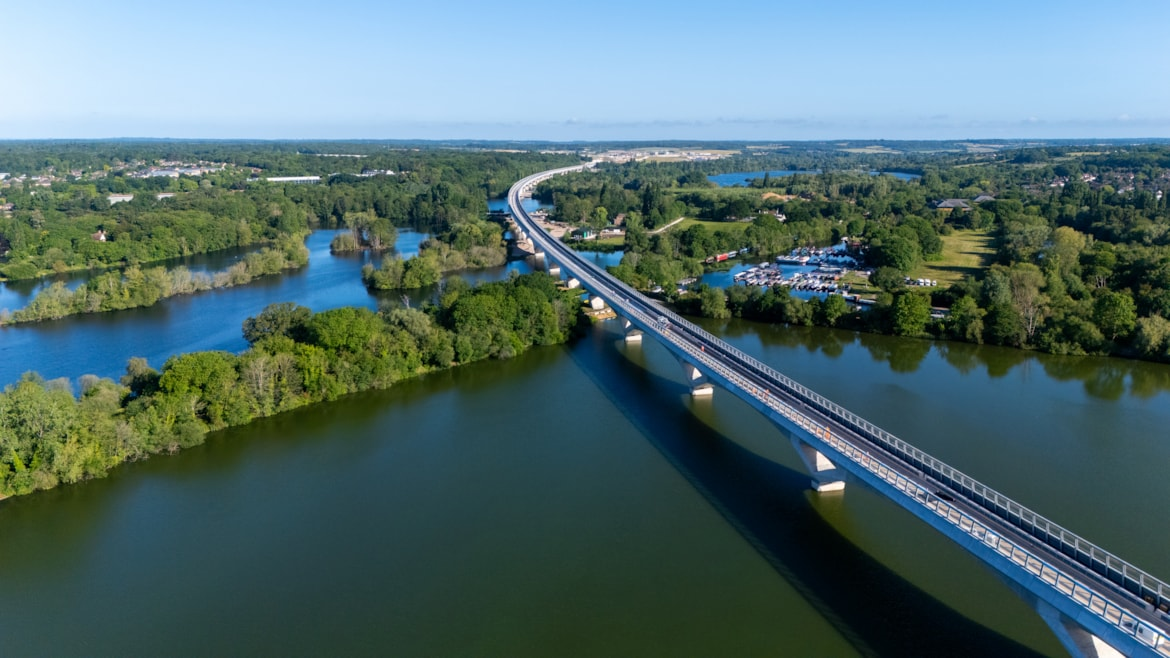
EKFB — Eiffage, Kier, Ferrovial Construction, and BAM Nuttall — is delivering an 80km section between the north portal of the Chiltern Tunnel in Buckinghamshire and Long Itchington Wood in Warwickshire. Align, comprising Bouygues Travaux Publics, Sir Robert McAlpine, and VolkerFitzpatrick, is responsible for 24km in outer London and south Buckinghamshire, including the Colne Valley Viaduct and Chiltern Tunnel.
The renegotiation forms part of chief executive Mark Wild’s programme reset. HS2 said the previous commercial model, established before main construction began in 2020, placed most risk on the taxpayer without giving contractors effective incentives to meet cost and schedule targets.
By 2024, the original £15bn budget allocated in 2020 for the principal Phase One civil engineering contracts had been spent while substantial work remained. The revised payment structure is intended to reward efficient delivery and cost control, bringing the two joint ventures’ commercial incentives closer to HS2’s budget and timetable.
The agreements do not disclose individual contract values or the detailed allocation of risk. They nevertheless address a central weakness in the programme: contractors were being paid under arrangements that did not provide the client with sufficient control over the cost of incomplete scope, design change, and schedule movement.
HS2 has linked the new terms to the Government’s £93.2bn cost ambition for the railway. That figure is an ambition rather than a final outturn forecast, and the project still requires a new programme baseline setting out the delivery timetable. HS2 expects that baseline to be completed in spring 2027.
Physical progress is extensive. More than 30,000 people are working on the project, all 46 miles of twin-bore tunnels between Old Oak Common and Birmingham have been excavated, 108 million cubic metres of earthworks have been completed, and 177 bridges and viaducts are under construction.
Those quantities describe a railway well into heavy civil construction, but they do not remove the commercial risk attached to finishing it. Structures must be completed, documented, and handed over before rail systems contractors can gain reliable access, while unresolved interfaces can spread delay across several packages even when the individual assets appear largely built.
Align is preparing for handover and transition to rail systems after completing major assets including the Colne Valley Viaduct and Chiltern Tunnel. EKFB faces a different delivery problem across a longer and more dispersed corridor of earthworks, bridges, cuttings, roads, utilities, environmental works, and local interfaces.
The new agreements should give both joint ventures a clearer basis for planning the remaining civils work, but their effect will depend on contract administration. Revised incentives only operate as intended when scope is controlled, forecasts are challenged, decisions are timely, and changes are recorded before they become embedded in the programme.
That places greater weight on HS2’s strengthened commercial team. The company has appointed a new chief commercial officer and additional commercial staff, reflecting the amount of client-side capability needed to manage contracts of this scale rather than relying on the wording of the agreements alone.
The reset also reaches deep into the supply chain. The two packages support businesses providing concrete, reinforcement, structural steel, plant, temporary works, logistics, design, surveying, environmental management, and specialist construction services. A more stable programme can improve labour and equipment planning, although tighter cost controls may also increase scrutiny of subcontractor changes and productivity.
Two large negotiations remain unresolved. Balfour Beatty Vinci is delivering a 90km section in the West Midlands, while Skanska Costain Strabag is constructing the 21km London tunnels section from West Ruislip to Euston. Until those agreements are concluded, HS2 will not have reset the commercial terms across all four principal civil engineering joint ventures.
Asset information will be as important as the physical handover. Rail systems installation depends on verified geometry, completed assurance records, access arrangements, and a stable sequence of work. A bridge or tunnel that is structurally complete can still constrain downstream delivery if documentation, interfaces, or residual works remain unresolved.
The EKFB and Align deals therefore represent progress rather than closure. They replace contracts that failed to contain cost and schedule exposure, but the measure of success will be the performance recorded against the spring 2027 baseline — particularly the rate at which completed civil assets are accepted and released for systems installation.