IN Brief:
- Mackoy Limited has been sold out of administration to Geocore Civils in a pre-pack deal.
- The transaction protects 20 jobs and transfers staff under TUPE arrangements.
- The collapse reflects continuing pressure on specialist subcontractors exposed to cost inflation, fixed pricing, and housing-market uncertainty.
Mackoy Limited has been sold out of administration to Geocore Civils Limited in a pre-pack transaction.
The Hampshire-based groundworks contractor entered administration before being acquired by Geocore Civils, a newly formed business established by former Mackoy leaders Benjamin Bousfield and Michael Mayock. The transaction protects 20 jobs and transfers employees to the new company under TUPE regulations.
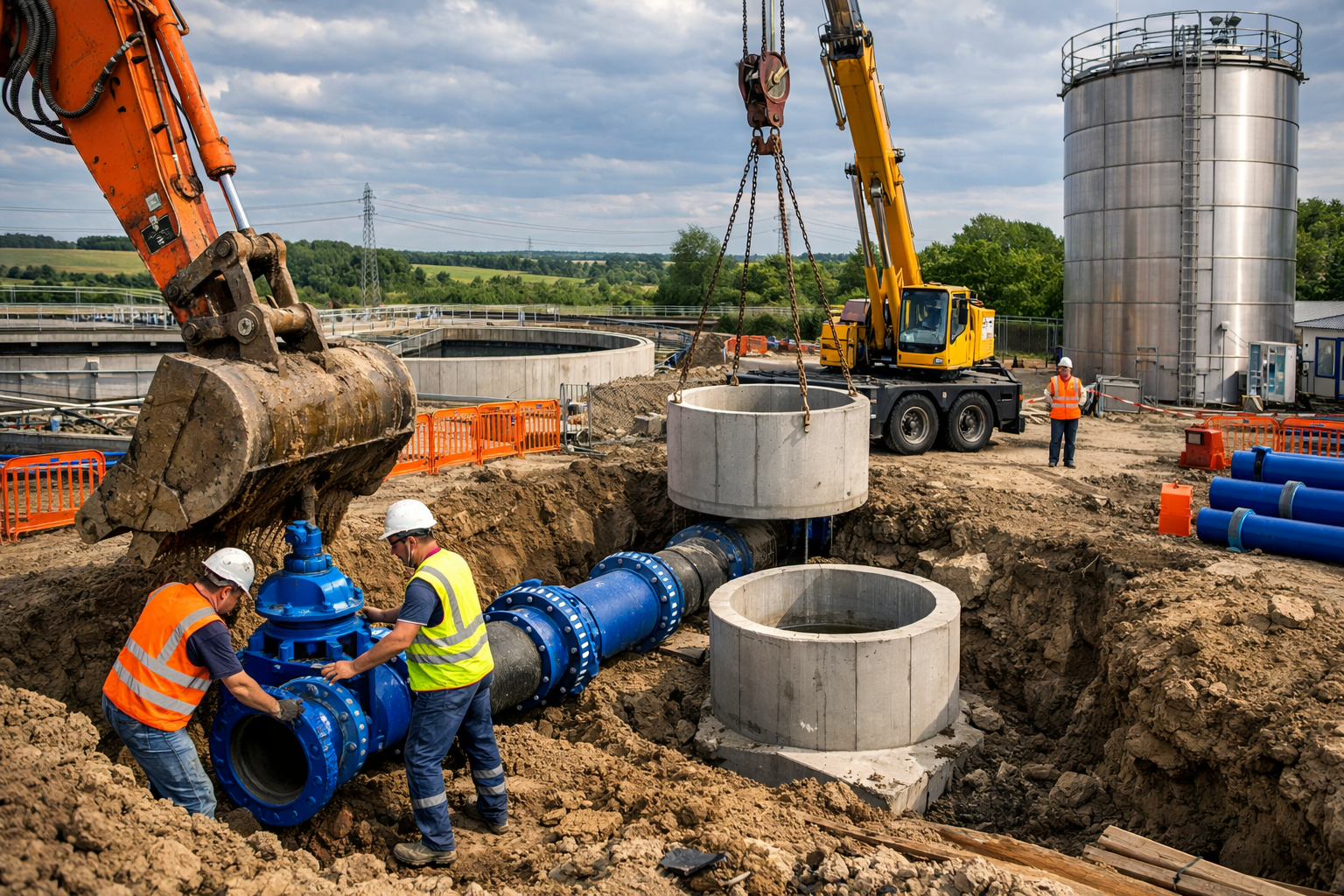
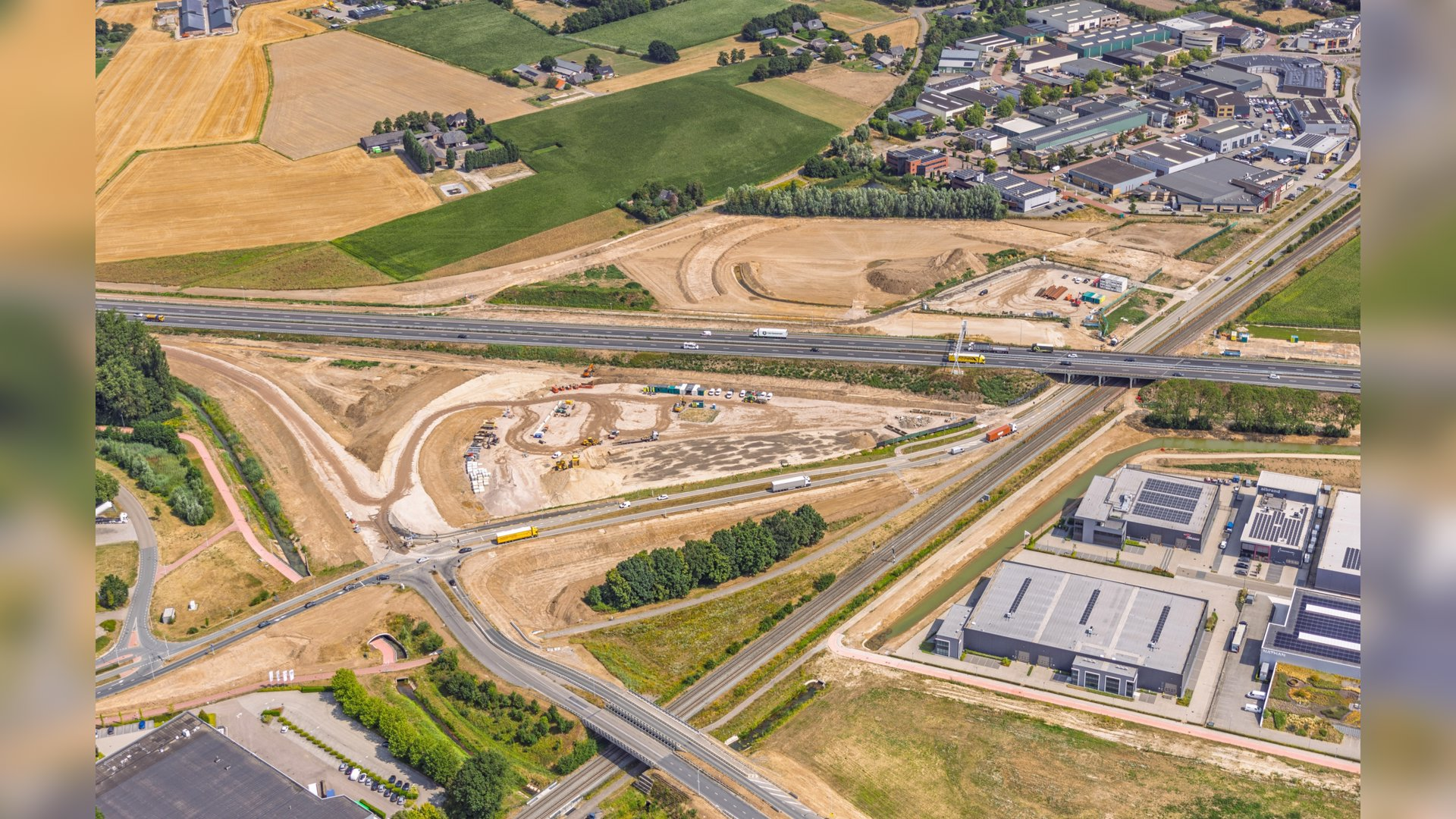
Mackoy had annual turnover of around £23m and operated across the south of England, where it delivered groundworks and infrastructure packages for housing and commercial schemes. Its work sat in the early phases of construction programmes, covering activity that can include enabling works, foundations, drainage, roads, and site infrastructure.
The business had been affected by increases in material and labour costs, placing pressure on previously agreed contract pricing. Changes in buyer behaviour also weakened cashflow and profitability, leaving the company less able to absorb cost movement across live and upcoming work.
Geocore Civils is expected to seek novation of several ongoing contracts in order to maintain service provision for clients. Continuity will be important on live schemes because stalled groundworks can quickly affect follow-on trades, frame starts, drainage connections, access routes, and wider programme sequencing.
The pre-pack route preserves part of the operating business, but it also illustrates the strain on specialist subcontractor balance sheets. Groundworks contractors often carry a difficult combination of risks, including fixed-price agreements, uncertain ground conditions, labour availability, fuel and material inflation, delayed client decisions, and slow payment cycles.
Those pressures are amplified when housing starts soften or developers rephase sites in response to sales rates and funding conditions. Early-stage infrastructure absorbs plant, labour, aggregates, concrete, drainage products, fuel, temporary works, and site management costs before a project begins to generate the visible value associated with later building stages.
Financial pressure has been visible across the broader contracting market, with Ardmore Construction Group entering administration after a period of project exposure, remediation liabilities, and legal claims. Elsewhere, Lorne Stewart has returned to profit following restructuring, showing how cost control and operational reset remain central to business recovery.
For main contractors and developers, Mackoy’s sale raises practical questions about supply-chain resilience. Prequalification processes can identify balance-sheet weakness, but they cannot remove the underlying pressure created by volatile input costs, compressed margins, uncertain starts, and payment delays.
Specialist subcontractors are often asked to absorb risk that sits beyond their direct control. Ground conditions, design changes, weather disruption, late instructions, and downstream programme movement can all erode margins, while the contractual structure may leave limited room to recover cost increases quickly.
For clients with Mackoy on live schemes, the immediate priorities will be contract novation, programme protection, commercial agreement, and the retention of site knowledge. For Geocore Civils, the challenge will be to maintain operational capability while rebuilding confidence under a new corporate structure.
The transaction keeps part of the business operating, yet it also adds another warning sign for the enabling and groundworks market. Where margins are thin and working capital is stretched, even established regional contractors can become vulnerable when cost inflation, delayed decisions, and weaker demand converge.