IN Brief:
- Portsmouth City Council has launched a six-year building safety framework worth up to £120 million.
- The framework will cover fire safety, remediation, structural repairs, sprinklers, smoke ventilation, and associated works.
- Bidders must demonstrate Building Safety Regulator and Gateway 2 experience for higher-risk building projects.
Portsmouth City Council has launched a six-year framework for fire safety and building remediation works across its residential estate, with the total value estimated at between £60 million and £120 million.
The framework will be used for higher-risk residential towers and selected medium- and low-rise blocks. The council is seeking to appoint up to six contractors, with awards expected later this year.
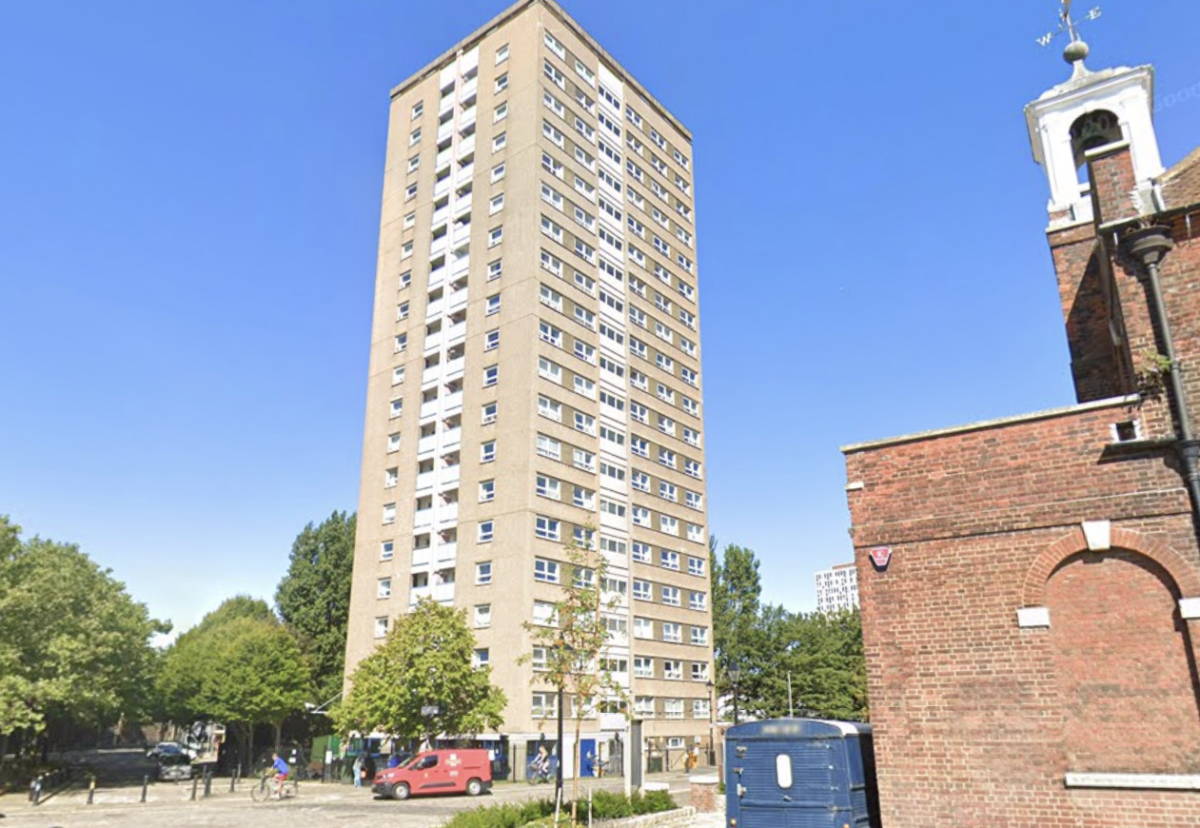
The scope includes fire stopping, compartmentation, sprinklers, evacuation alert systems, smoke ventilation, asbestos removal, structural repairs, concrete works, drainage, cladding, roof works, and internal and external refurbishment. Mill Gate House has been identified as a gateway project, with further packages expected to follow through the framework.
Contractors bidding for the work are expected to demonstrate experience with the Building Safety Regulator, Gateway 2 approvals, and the duties of principal designer and principal contractor under the higher-risk building regime. The procurement therefore places regulatory competence alongside construction capability from the outset.
Building safety work has changed substantially since the Building Safety Act came into force. Remediation is no longer limited to replacing defective components or improving fire protection in isolation. Design evidence, dutyholder competence, safety case information, approval sequencing, and quality records now sit directly on the delivery path.
The sector is already adjusting to that regime, with recent Building Safety Regulator data showing more than 12,000 housing units approved through Gateway 2 during a 12-week reporting period. The figures suggested movement after months of concern over delays, but they also reinforced the need for complete and coordinated submissions before higher-risk work can begin.
Portsmouth’s framework responds to that environment by asking bidders to show evidence of regulatory experience before appointment. That should reduce the risk of selecting delivery teams able to carry out physical works but unable to manage the approval, documentation, and dutyholder requirements attached to higher-risk buildings.
The works themselves will require careful sequencing. Fire safety upgrades and structural repairs in occupied residential blocks place heavy demands on access planning, temporary protection, resident communication, welfare, supervision, and quality assurance. Work packages cannot be treated as independent trade interventions when the performance of compartmentation, smoke control, evacuation systems, façades, and structure depends on how systems interact.
The framework also points to a longer-term shift among local authorities and housing providers. Building safety programmes are moving from reactive remedial projects into structured estate-wide workstreams, where surveys, design, procurement, approval, delivery, and handover records need to align across multiple assets.
That approach favours documented competence, experienced design management, and the ability to work repeatedly across occupied housing stock. It also places greater demand on specialist subcontractors whose installations must be recorded, inspected, and evidenced to a higher standard than many legacy projects required.
Portsmouth’s procurement gives the council a route to progress remediation across its residential estate while embedding the expectations of the post-Grenfell regulatory regime. The strength of the framework will be judged by whether appointed teams can combine safe site delivery with the evidence and coordination now required before work is allowed to proceed.