IN Brief:
- West Burton C has reached financial close with £231 million of loan facilities.
- Sungrow and H&MV Engineering will deliver the battery and 400kV electrical packages.
- Construction is due to begin during 2026, with full operation targeted for 2028.
Fidra Energy has reached financial close on the 500MW West Burton C battery energy-storage project in Nottinghamshire, clearing the way for construction to begin later in 2026.
The 1.1GWh development represents an investment of approximately £250 million. A club of international lenders has provided £231 million through a term loan and associated facilities, alongside capital already committed by EIG and the National Wealth Fund.
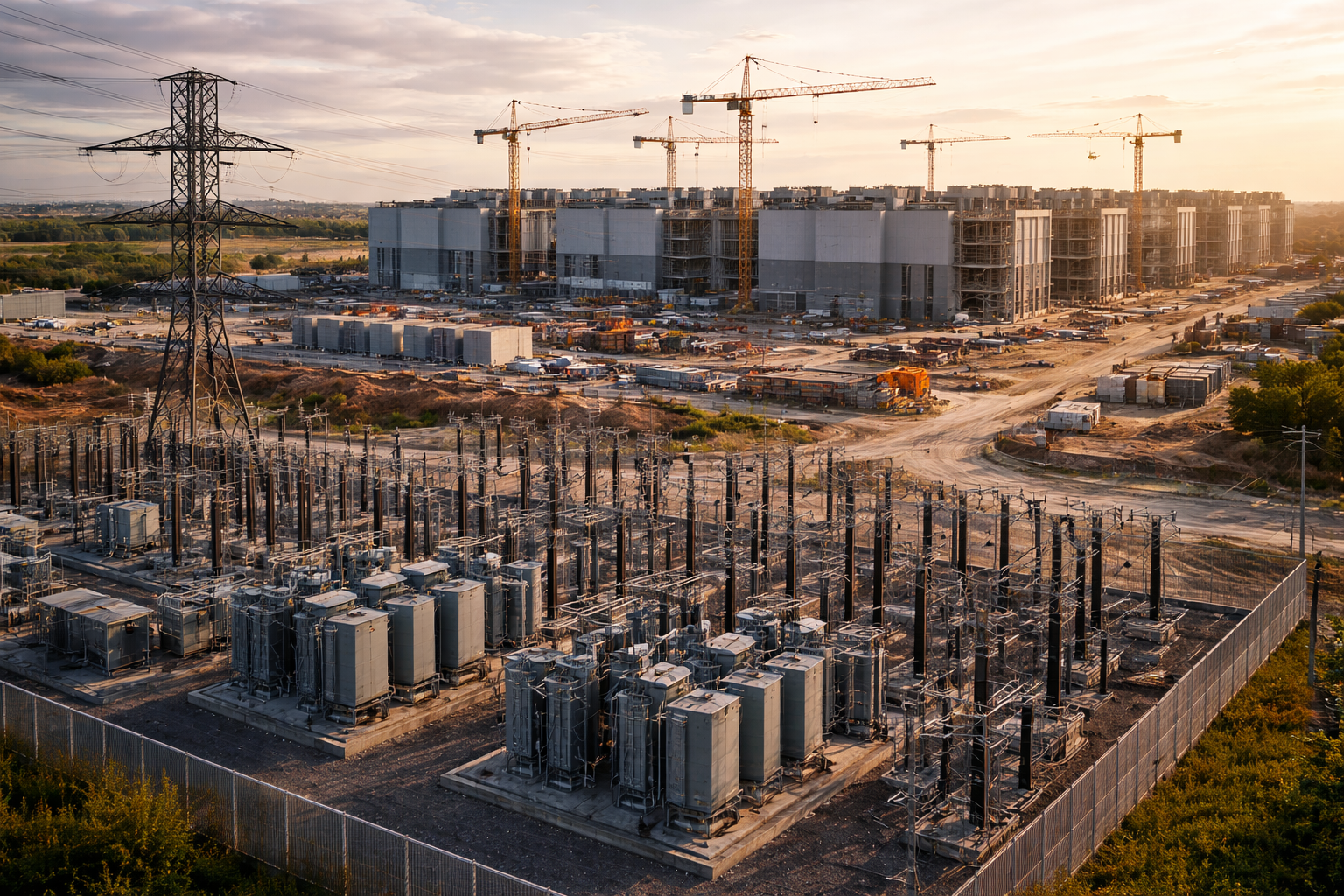
West Burton C will be built on the site of the former West Burton coal-fired power station, placing the battery beside established power infrastructure and close to the location selected for the UK’s prototype fusion-energy plant. The development continues the conversion of a former generation complex into a broader low-carbon energy hub.
Sungrow will supply the battery-storage systems, while H&MV Engineering has been appointed principal designer and contractor for the 400kV grid connection, electrical scheme, erection, and commissioning of the battery equipment.
Construction is expected to continue towards full operation in 2028. At maximum discharge, the project is expected to provide output equivalent to the peak demand of around 300,000 homes, although its primary function will be to store electricity and release it when system or market conditions require.
Fidra has entered a long-term offtake agreement with Drax covering half of the project’s capacity. West Burton C also holds a 15-year Capacity Market agreement commencing in October 2028, giving the asset a mixture of contracted income and exposure to electricity trading and system-service opportunities.
The 400kV connection, battery configuration, and financing structure establish the project’s electrical and commercial framework. Physical delivery will now depend on the coordination of civil engineering, structures, drainage, fire safety, security, electrical installation, controls, and commissioning across a large brownfield site.
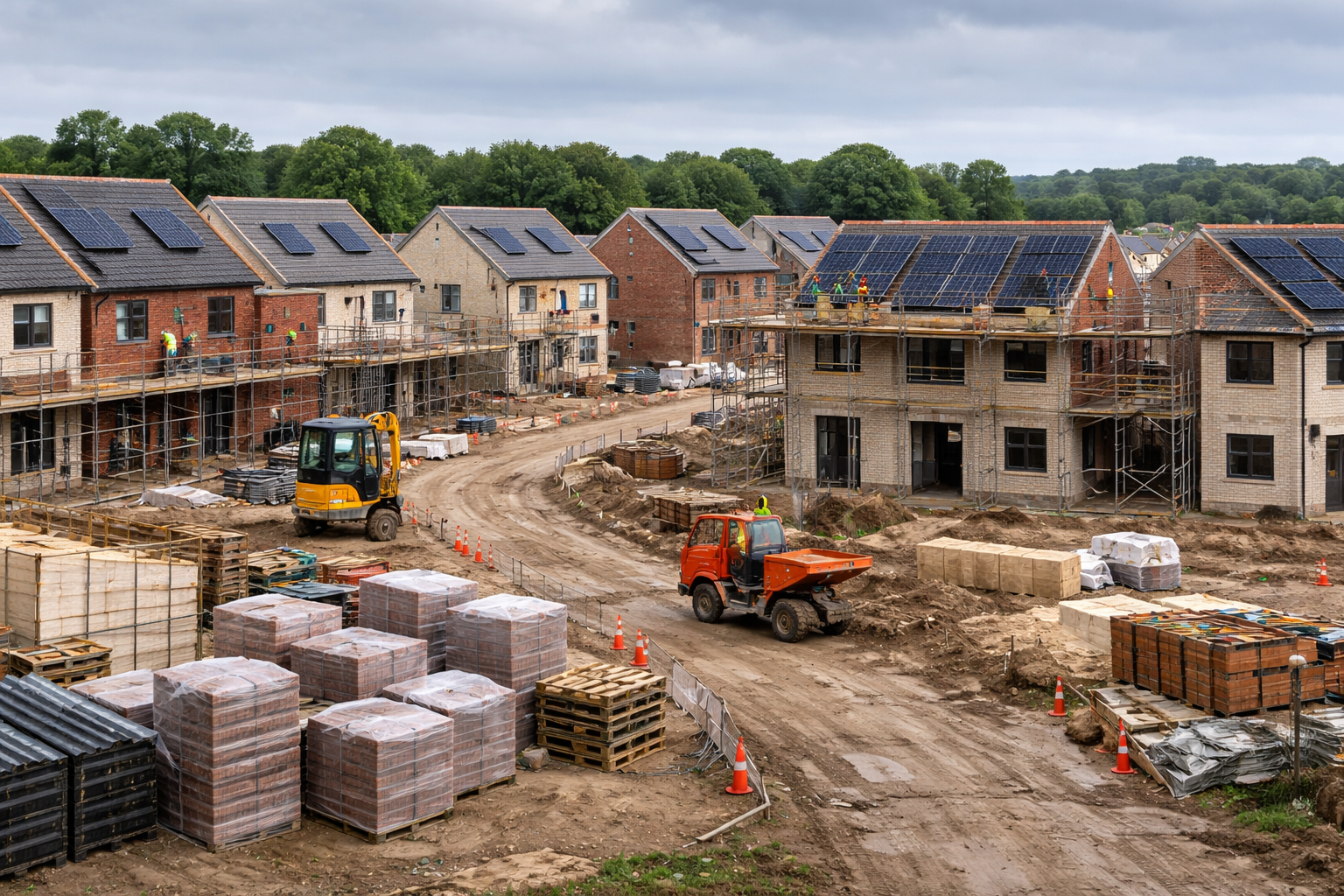
Battery projects are often described through megawatts and megawatt-hours, yet their construction relies on extensive conventional infrastructure. Roads, foundations, equipment plinths, drainage, fencing, control buildings, cable routes, transformers, switchgear, and high-voltage compounds must all be completed around repeated battery and inverter blocks.
Brownfield energy sites offer access to established grid infrastructure, but they also carry legacy constraints. Historic services, demolition remains, contaminated ground, redundant foundations, drainage networks, and operating assets can affect design and sequence.
Surveys and enabling works will need to establish which infrastructure can be reused and which elements must be removed, protected, or replaced. Incomplete records from previous operations can add risk, particularly where excavation approaches buried cables, pipelines, or structures.
The 400kV interface will form one of the programme’s most critical dependencies. Battery blocks can be installed across the site, but commercial operation depends on the grid connection, protection systems, controls, metering, and compliance testing being ready.
A relatively small number of high-voltage packages can therefore hold back an otherwise completed development. Transformer manufacture, switchgear supply, cable procurement, protection design, and outage coordination require early decisions and disciplined change control.
Fire and emergency planning will shape the physical layout. Separation distances, access routes, detection, containment, drainage, isolation, water management, and liaison with emergency services need to be considered across the site rather than applied only to individual battery enclosures.
The scale of the development also raises logistical demands. Large numbers of containers, power-conversion units, transformers, and prefabricated electrical components will need to arrive in a controlled sequence.
Temporary storage can consume significant space, while early delivery exposes equipment to weather, security, and warranty risks. The logistics plan will have to balance factory output, shipping schedules, site readiness, crane availability, and installation capacity.
Financing discipline will remain visible throughout construction. Lenders and investors will expect progress evidence, cost control, schedule reporting, insurance compliance, and clear management of change, while contractors must align technical milestones with the conditions attached to funding drawdowns and long-term revenue agreements.
The UK battery market is moving from a development-led phase towards large, financed construction programmes. Fidra’s portfolio now exceeds 4GW and includes Thorpe Marsh, West Burton C, Bicker Fen, and the recently acquired Enderby battery project.
Portfolio scale can support repeatable design, standardised procurement, and stronger supplier relationships. It can also concentrate demand for high-voltage equipment, specialist engineering, commissioning personnel, and battery systems while grid, renewable, and data-centre projects compete for the same capabilities.
Construction quality will continue to influence operational performance after energisation. Cable terminations, drainage, fire compartmentation, foundations, earthing, controls, and equipment installation need to withstand repeated cycling, weather exposure, and long-term maintenance activity.
West Burton C has now passed the financing threshold that separates an advanced proposal from a deliverable infrastructure project. Coordinating the civil and electrical programme will determine whether the former coal-generation site can return to the power system as a flexible storage asset during 2028.