IN Brief:
- VINCI Construction is leading a consortium awarded a €192 million contract to modernise Prague’s main wastewater treatment plant.
- The job includes demolition and reconstruction of 40 structures, plus major upgrades to settling tanks and treatment systems.
- The scheme reflects a wider shift towards rebuilding ageing urban utility assets rather than extending their life indefinitely.
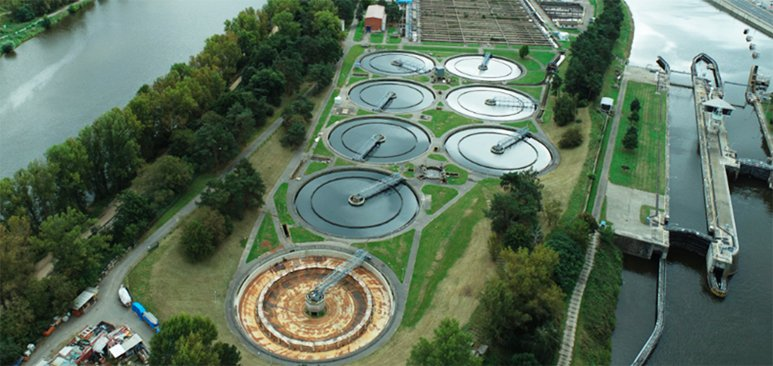
VINCI Construction is to lead a major overhaul of Prague’s central wastewater treatment plant after a consortium headed by one of its subsidiaries secured a €192 million contract for the job. Works are scheduled to begin in October 2026 and will run for 43 months, putting one of the Czech capital’s most important utility assets into a long programme of renewal at a time when European cities are under growing pressure to modernise ageing infrastructure.
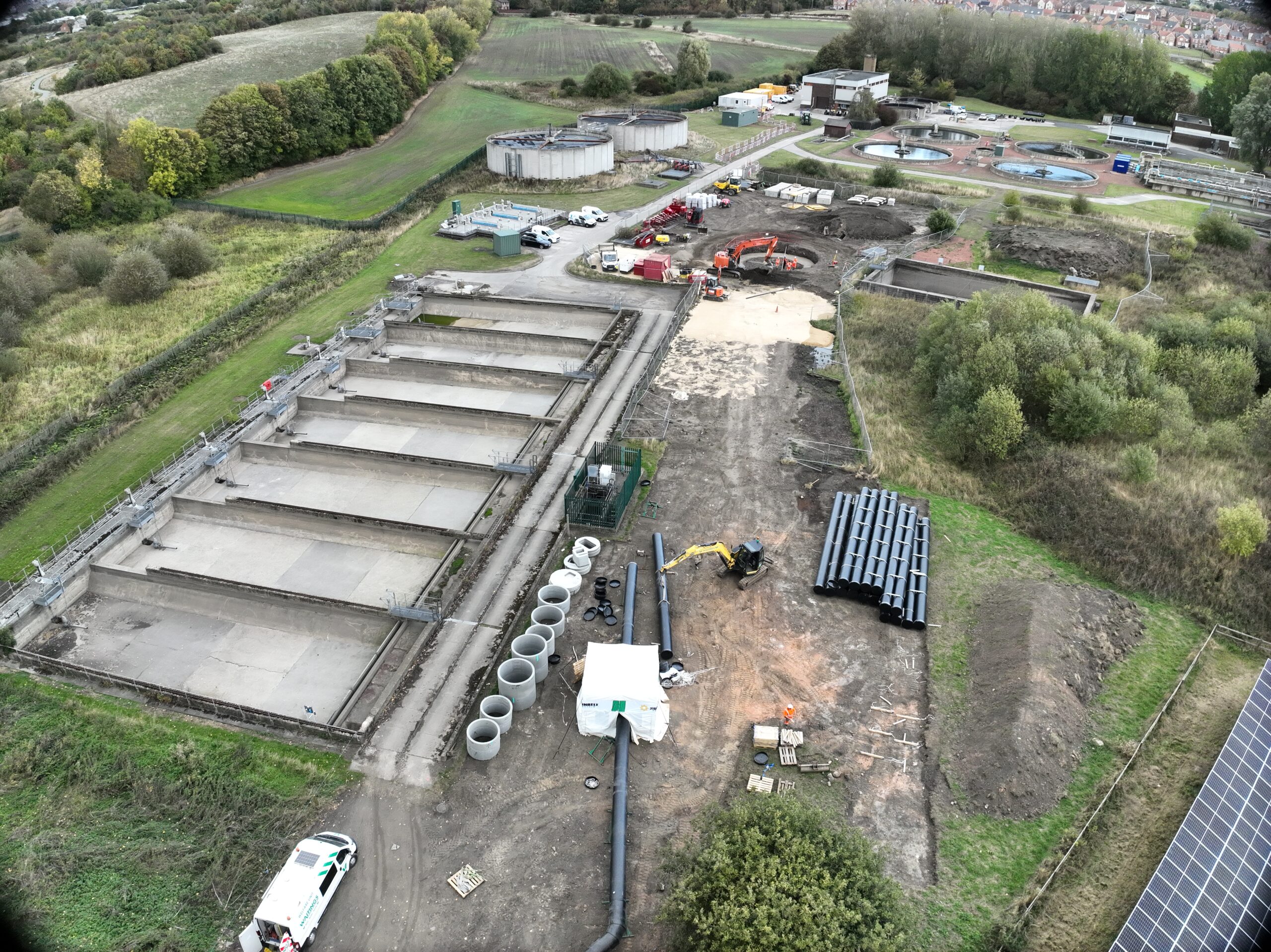
The scope is substantial. The package includes dismantling existing equipment, demolishing and rebuilding 40 structures, reconstructing eight of the plant’s 20 settling tanks, refurbishing four more, and refitting facilities with updated water treatment technologies. This is not a marginal upgrade designed to squeeze a few more years from a tired asset. It is a deep intervention into the operational core of a facility that has been serving Prague for more than half a century.
That age matters. Wastewater plants built to late twentieth-century standards were designed for different population patterns, different regulatory regimes, and a very different view of energy performance. In many European cities, those systems are now being asked to handle higher and more variable loads while also meeting tighter environmental compliance thresholds. Modernisation has therefore become a dual task: increasing resilience and treatment quality while driving down the energy and operational penalties attached to older plant layouts and legacy process equipment.
From a construction perspective, projects like this are rarely simple utility jobs hidden behind the fence line. Brownfield water infrastructure work tends to combine demolition, phased civils, process engineering, mechanical and electrical upgrades, and careful continuity planning where live assets must remain operational during delivery. That creates a project profile with plenty of complexity for contractors: constrained sites, sequencing pressure, specialist interfaces, and little room for disruption where public service continuity is concerned.
The Prague contract also shows where a significant part of the civil engineering market is heading. Transport continues to command most of the headline attention, but utility modernisation is becoming harder to defer. Wastewater, drinking water, pumping systems, energy networks, and flood resilience assets are all moving up priority lists as local authorities and operators face the cost of delay. The result is a broader infrastructure pipeline in which treatment plants, substations, and buried systems increasingly sit alongside roads, bridges, and rail in capital planning.
There is a technical shift inside that pipeline too. Utility upgrades are no longer being assessed purely on capacity. They are being judged on operational efficiency, monitoring capability, lifecycle reliability, and their ability to integrate newer treatment and control technologies. In wastewater, that can mean better process performance and lower energy intensity at the same time. For contractors with the right engineering depth, the market is becoming more demanding, but also more attractive, because these schemes reward teams that can manage process complexity as well as heavy civil work.
For Prague, the contract is an investment in a critical public asset that underpins the city’s long-term growth and environmental performance. For the wider market, it is another reminder that the next wave of European infrastructure work will not be limited to expansion. A great deal of it will involve rebuilding what already exists, in place, under pressure, and to a much higher technical standard than the original designers ever had to contemplate.
That makes wastewater renewal an increasingly important measure of where infrastructure priorities are moving. The projects may lack the visual drama of a new bridge or rail corridor, but they carry the same strategic weight. They are large, technically complex, highly regulated, and central to how cities function. Prague’s latest contract fits that pattern closely, and it is unlikely to be the last of its kind.