IN Brief:
- Space4Good and RINA will combine satellite earth observation, AI analytics, and engineering certification services for infrastructure and environmental verification.
- The approach is aimed at continuous monitoring of land use, vegetation, and asset performance across large areas where periodic inspections leave gaps.
- Early focus areas include major infrastructure projects, land-use change monitoring, and dataset validation linked to biofuels and carbon-credit activity.
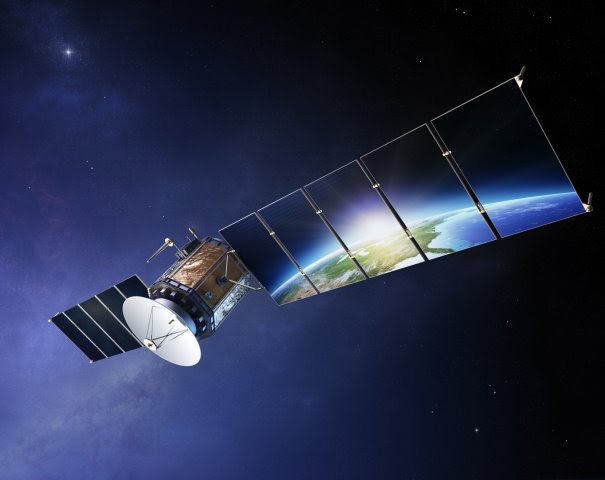
Space4Good and RINA have entered a technical partnership aimed at combining satellite earth observation, AI-led geospatial analytics, and engineering assurance on infrastructure and environmental verification work. The collaboration focuses on independent checking of asset performance, land-use change, and sustainability-related claims across large project areas.
For infrastructure delivery, the model is designed to supplement periodic inspections and project reporting with a wider field of observation. Satellite monitoring can provide repeated coverage over large or remote areas, allowing changes in land use, vegetation, and site conditions to be tracked over time rather than assessed only at intervals. That is increasingly relevant where project finance, certification, and environmental compliance all depend on an auditable evidence trail.
Space4Good brings a monitoring stack built around satellite, drone, and LiDAR data, together with GIS and AI tools used for mapping, reporting, and verification. RINA adds engineering, inspection, certification, and digital capability from a group operating in more than 70 countries. The partnership is intended for applications where technical performance and environmental validation increasingly sit alongside one another rather than in separate workstreams.
Initial areas of collaboration include monitoring of large infrastructure projects, verification of deforestation and land-use change in response to emerging regulation, and validation of datasets used in markets such as biofuels and carbon credits. The two organisations are active in regions including Latin America and Southeast Asia, where infrastructure investment and environmental oversight often intersect.
The partnership signals a wider move towards continuous, data-led verification within project assurance. More information on the collaboration is available from RINA.