IN Brief:
- Skanska UK’s 2025 orders rose 43% to £1.36bn, with revenue up to £1.37bn.
- Major wins included Botanic Place in Cambridge, the A47 Thickthorn junction upgrade, and an M6 rail bridge replacement.
- The figures underline how workload is returning through large, technically demanding schemes, while profitability remains tied to disciplined delivery.
Skanska UK has entered 2026 with a much stronger forward order position after securing £1.36bn of new work in 2025, a 43% increase on the previous year, with fresh awards across commercial building, highways, and rail helping to lift revenue to £1.37bn.
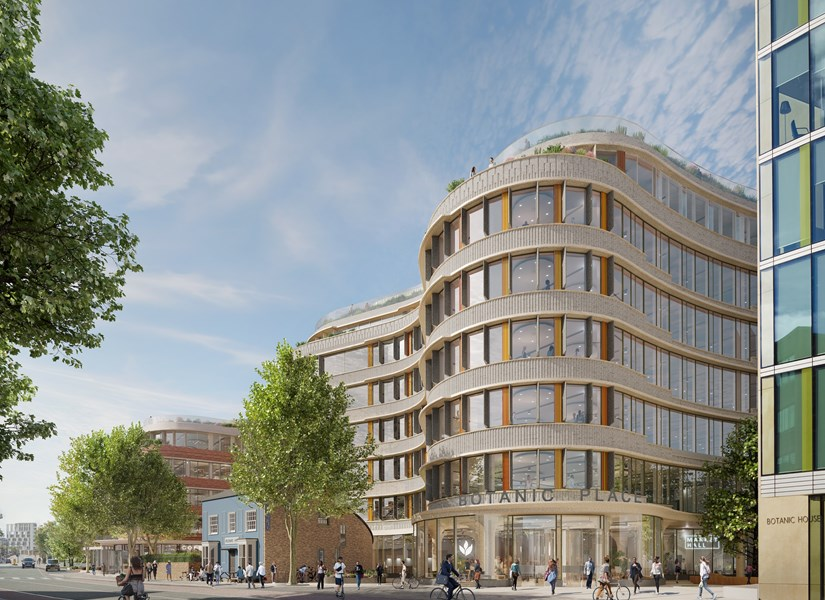
The latest figures point to a business that has rebuilt momentum through a series of sizeable, complex projects rather than through volume alone. Among the most significant wins were the construction and fit-out package for Botanic Place in Cambridge, the A47 Thickthorn junction upgrade for National Highways, and a rail bridge replacement over the M6 for Network Rail. Together, they form the kind of mixed portfolio many tier one contractors have been chasing: landmark building work in resilient urban locations, essential road upgrades, and technically constrained rail interventions.
Revenue rose year on year, but the earnings line was more restrained. Profitability softened as a larger proportion of the order book sat in early delivery stages. That pattern is familiar across the upper end of the contracting market. Strong order growth does not automatically feed through to higher returns when schemes are still in mobilisation, procurement, design coordination, and risk-management mode, particularly on projects with long programmes and demanding client requirements.
Even so, balance-sheet strength remains one of the most useful differentiators in the present market. Clients remain focused on counterparty strength, programme certainty, and delivery capability, especially on multi-year schemes where procurement decisions now sit under heavier scrutiny. Financial resilience is no longer a background metric in an annual report. It is part of the delivery conversation, especially where complex urban building and infrastructure works are involved.
Botanic Place is especially revealing. The Cambridge scheme is not a speculative outlier but a large office development in a city where research, life sciences, and technology continue to support demand for premium workspace. The project’s performance targets, including BREEAM Outstanding, WELL Platinum, and WiredScore Platinum ambitions, reflect the direction of travel in commercial construction, where energy performance, internal environment, and digital connectivity are shaping procurement decisions from the outset. Contractors that can combine major-project management with building services integration are better placed to compete in that part of the market.
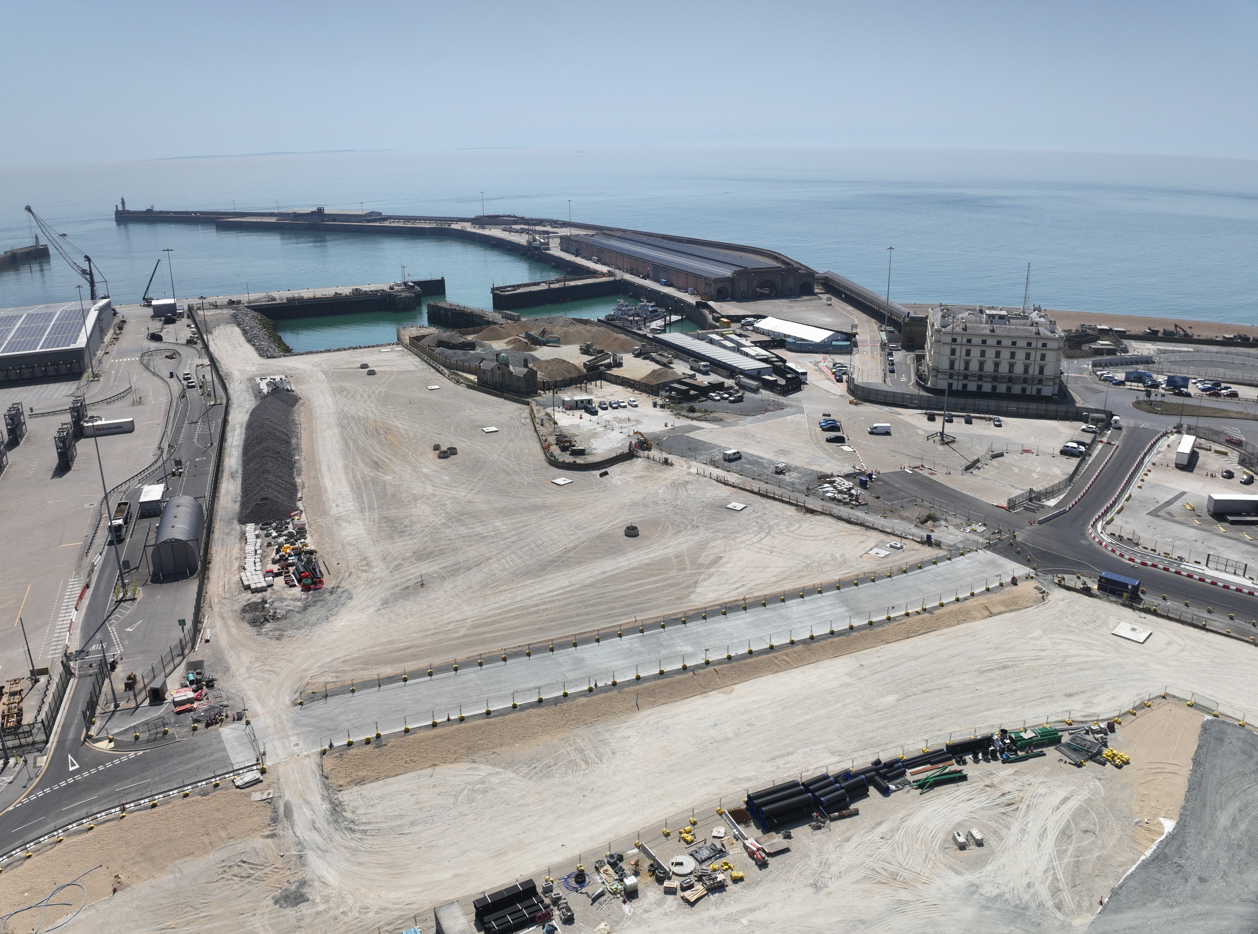
The infrastructure awards tell a slightly different story. The A47 Thickthorn junction scheme and the M6 rail bridge replacement both sit within the longer-running need to upgrade ageing transport assets while reducing disruption and carbon intensity. These are not straightforward jobs. They demand traffic management, sequencing discipline, logistics control, and a supply chain capable of responding when site conditions or access windows change. That helps explain why clients continue to favour contractors with deep engineering capability and the financial headroom to absorb risk without losing grip on delivery.
The wider significance of the figures lies in the type of workload now supporting the pipeline. The UK market remains uneven. Some private sectors are still cautious, some public programmes continue to move slowly through approvals, and cost control remains tight across both buildings and infrastructure. But large, technically involved schemes are still progressing where there is clear end-user demand, strategic necessity, or strong public backing. Cambridge offices tied to growth sectors, major road junction upgrades, and rail asset renewals all fit that pattern.
That is why the softer margin performance does not read as a warning in itself. It reads more like the lag between securing work and earning through it. The next question is whether contractors can turn strong order books into stable returns without taking on the kind of risk that has unsettled so many balance sheets in recent years. For now, Skanska’s position suggests the pipeline is there. The harder part, as ever, is converting it into predictable performance on site.