IN Brief:
- Approximately 7km of track will be renewed at locations around Inverness, Achanalt and the Strathcarron–Stromeferry section.
- The programme includes culvert renewals, bridge repairs and work on track and points at Inverness station.
- The Kyle line will close between Dingwall and Kyle of Lochalsh from 28 November until 18 December, with additional Inverness restrictions on two December weekends.
Network Rail is preparing a £9 million programme of track, drainage and bridge renewals at Inverness station and along the Kyle line, with a three-week railway closure planned from 28 November to 18 December 2026.
The works include replacement of approximately seven kilometres of track across several locations, renewal of drainage culverts and structural repairs to railway bridges, including Carron Viaduct. Engineers will also replace track and sleepers at platforms 5 and 6 at Inverness station and refurbish equipment used to direct trains between tracks.
The principal closure will affect the railway between Dingwall and Kyle of Lochalsh from Saturday 28 November until Friday 18 December, with passenger services expected to resume on Saturday 19 December. Separate engineering operations at Inverness will restrict services between the station and Dingwall on two weekends during the same period.
Network Rail is combining several different infrastructure activities within the extended possession. Track renewal, drainage work and structural repairs require different engineering teams and equipment, but delivering them within a common access programme reduces the need for repeated closures of the remote Highland route.
Approximately seven kilometres of track will be renewed at locations including the section between Welsh’s Bridge and Rose Street level crossing in Inverness, Achanalt and Rosebank near Achnasheen, and the route between Strathcarron and Stromeferry.
Rail renewal involves removing worn components and installing replacements that provide the required alignment and support for trains. Where sleepers are replaced, the new components must maintain the correct track gauge and transfer loads into the supporting ballast and underlying formation.
The condition of ballast and drainage influences how well the track retains its geometry under traffic. Water entering the track formation can affect support conditions, while repeated train loads may contribute to changes in alignment that require maintenance or renewal.
The precise scope of the seven-kilometre renewal varies between the locations identified. Network Rail has not published a complete component schedule for each section, so the works should not be described as seven kilometres of entirely reconstructed railway formation.
Drainage improvements form a separate part of the £9 million investment. Several culverts will be renewed between Dingwall, Achnasheen and Stromeferry, addressing structures that carry water beneath or away from the railway corridor.
Culverts are important where natural watercourses or surface drainage routes intersect with embankments and cuttings. Their capacity and condition affect how water moves through the surrounding ground, particularly during periods of heavy rainfall.
A damaged or obstructed culvert can increase the risk of water accumulating around the railway formation. Depending on the location, continued saturation can affect ground stability, erode supporting material or place additional pressure on drainage systems elsewhere along the route.
The replacement programme will require engineers to coordinate excavation and installation with the existing track and surrounding ground. The designs must also accommodate the required drainage flows and the structural loads imposed by railway infrastructure above or alongside the culvert.
Network Rail has not provided the number, dimensions or construction materials of the individual culverts being renewed. Their replacement is nevertheless a defined part of the scheme, rather than a general intention to improve drainage at an unspecified future date.
Structural repairs are planned at several bridges, including Carron Viaduct. These works will be coordinated with track renewal where necessary, allowing access to parts of the railway that can be difficult to inspect or repair while trains are operating.
Bridge maintenance can involve different activities according to the construction and condition of the structure, including treatment of structural components, repairs to supporting elements and work around the track carried across the bridge. The individual repair methods for Carron Viaduct have not been specified.
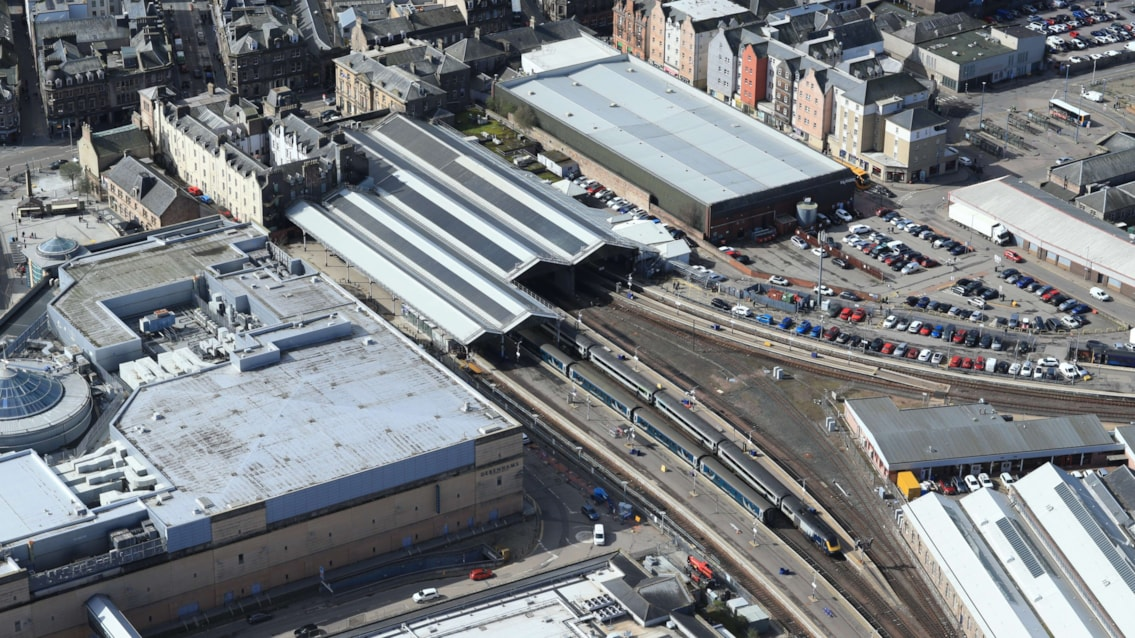
At Inverness station, engineers will renew track and sleepers at platforms 5 and 6 and refurbish points equipment. Points allow trains to move between routes through a junction or station layout, requiring accurately aligned moving components and appropriate connections to signalling and control systems.
Wear or deterioration in points can affect the reliability of train movements because the equipment must consistently guide wheels along the selected route. Refurbishment is intended to maintain the mechanical and operational condition of these components within the existing station arrangement.
Work at the station will create additional service restrictions on Saturday 5 and Sunday 6 December, and again on Saturday 12 and Sunday 13 December. No trains will operate between Inverness and Dingwall on those dates, while amended services will run north of Dingwall towards Invergordon, Tain, Thurso and Wick.
Throughout the three-week Kyle line closure, replacement coaches will operate between Inverness and Kyle of Lochalsh, serving intermediate stations as far as Stromeferry before continuing to Kyle. Smaller vehicles will provide connections from Stromeferry to Duncraig, Plockton and Duirinish.
The minibus services will be timed to connect with the main replacement coaches. This arrangement maintains alternative transport for smaller stations that cannot be served through the principal coach route, while the wider service changes allow essential engineering access to the railway.
During the two Inverness closure weekends, replacement buses will also operate between Inverness and Dingwall. The additional restriction is separate from the continuous closure west of Dingwall, which remains in force throughout the three-week engineering period.
The Highland railway presents particular access and logistics challenges because track sections, bridges and drainage structures are spread across remote terrain. Transporting equipment and materials to multiple worksites requires coordination with the available road access and the railway’s engineering possessions.
Network Rail’s programme brings these activities together ahead of the planned reopening on 19 December. The completed works will provide renewed track, improved drainage, repaired bridge infrastructure and refurbished station equipment across the sections included in the £9 million investment.