IN Brief:
- Network Rail is progressing more than £24m of access improvements at five stations in the west of England.
- The works cover Weston-super-Mare, Lostwithiel, Castle Cary, Cheltenham and Torquay, with different assets and programmes at each location.
- Construction and opening milestones extend through 2027 and to spring 2028, subject to individual project programmes.
Network Rail is progressing more than £24 million of accessibility improvements at five stations in the west of England, with works including new lifts, footbridges, ramps and passenger facilities. The programme covers Weston-super-Mare, Lostwithiel, Castle Cary, Cheltenham and Torquay. Each location has a different combination of construction constraints and delivery milestones, with passenger benefits scheduled from spring 2027 through to spring 2028.
At Weston-super-Mare, two lifts are being introduced beside the existing Grade II-listed footbridge so passengers can move between platforms without using the stairs. The bridge opened in 1884, and the lifts are scheduled to enter use in autumn 2027. Incorporating modern access equipment beside a historic railway structure calls for coordination between station operations, the retained fabric and the new lift installations. The heritage designation also distinguishes the project from an unrestricted replacement bridge scheme.
Lostwithiel is receiving a permanent footbridge on the Cornish Main Line, replacing a temporary structure erected in 2024. It is due to open in summer 2027 and will link both station platforms while providing another pedestrian route across the railway. Grenville Road level crossing can have its barriers closed for up to 22 minutes in an hour, according to Network Rail, so the bridge will also change how people can move between parts of the town.
The new Lostwithiel bridge will be the town’s first permanent railway footbridge since the 1960s. A crossing of this kind has to reconcile the available space for approach routes with the clearances required above operating railway lines. Delivery also involves planning installation activities around railway operations and maintaining safe passenger access during the changeover from temporary arrangements. The current programme identifies the structure’s expected opening rather than giving a confirmed final construction cost for this individual station.
Castle Cary is due to receive a new accessible footbridge and lifts, with construction expected to begin after the 2027 Glastonbury Festival. The timing recognises the substantial temporary passenger flows through the station during the event. Railway construction at stations used by large seasonal crowds must make provision for circulation, platform access and temporary works while services continue, or arrange works in suitable operating windows. Network Rail has identified the intended start period but has not given a final opening date for this particular scheme.
At Cheltenham, a lift is planned for the northbound platform and an accessible ramp for the southbound platform. The lift is expected to open in spring 2028. The differing installations are designed around access constraints on each side of the station. The work needs to provide a connected route that is usable from the station entrance to the relevant platform, with gradients, door clearances and passenger movements taken into account at the detailed design and delivery stages.
Torquay’s plans include a 13-metre ramp connecting the two platforms via Hennapyn Road, together with an accessible toilet and a waiting room on the northbound platform. Changes to accessible parking and drop-off arrangements are also included. The scheme forms part of the government’s Access for All programme and is due to be completed in spring 2027. Unlike a bridge with lifts, the ramp-based route provides step-free circulation through the station’s existing external connections.
The construction methods differ across the sites. Lifts require suitable towers or shafts, landings, electrical supplies, controls and commissioning within an operating station. Footbridges depend on foundations, approach routes and installation clearances above railway tracks, while ramps must provide usable gradients and connections to the paths and platforms they serve. At Weston-super-Mare, those decisions must also accommodate a Grade II-listed structure; at other sites, the available land and passenger flows shape the design.
The Department for Transport’s Access for All programme supports step-free routes between station entrances and platforms, alongside associated passenger facilities. Network Rail puts the combined value of the five western schemes at more than £24 million, without assigning a separate cost to each station. The announced milestones also differ: Torquay is due for completion in spring 2027, Lostwithiel in summer 2027, and Weston-super-Mare’s lifts in autumn 2027.
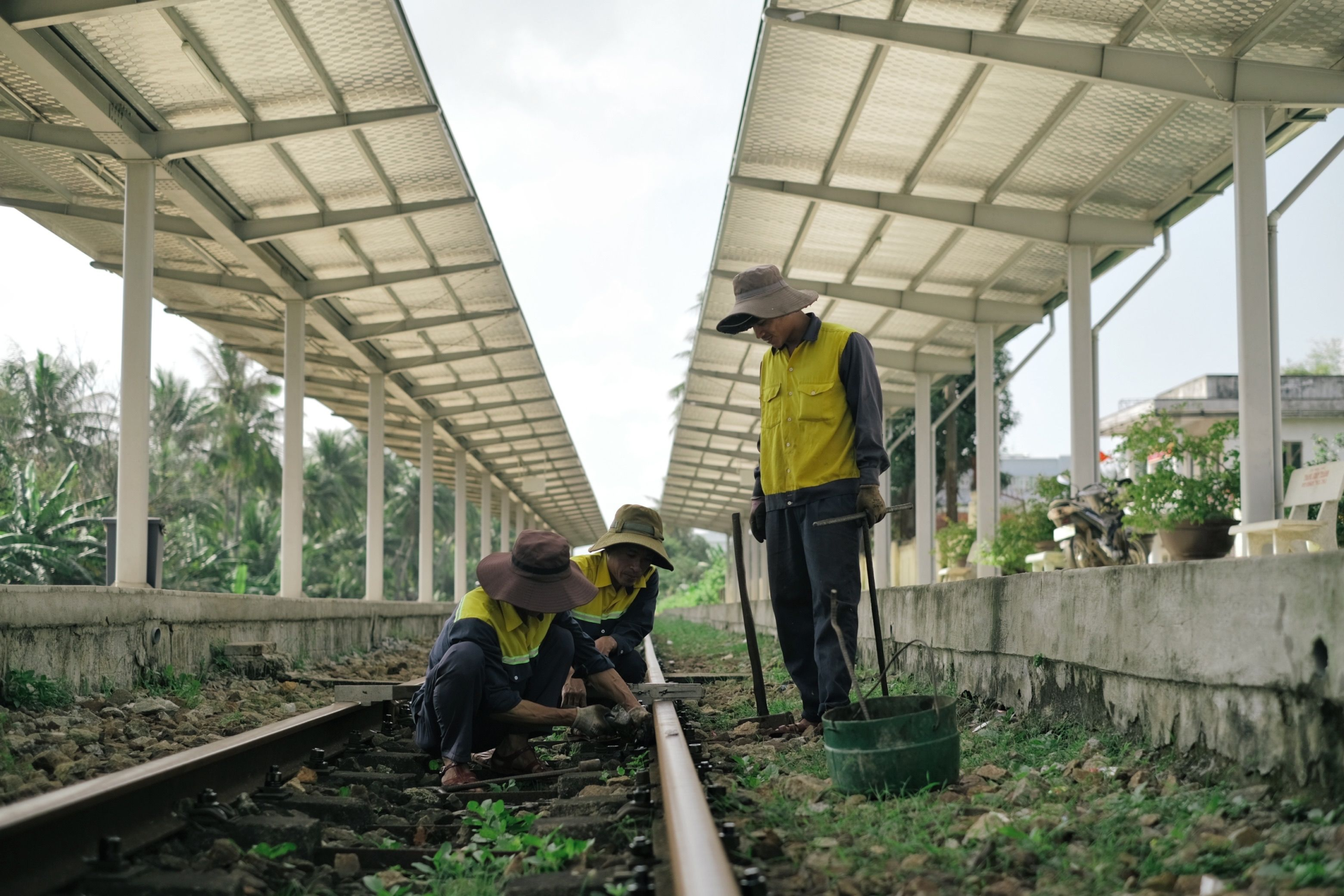
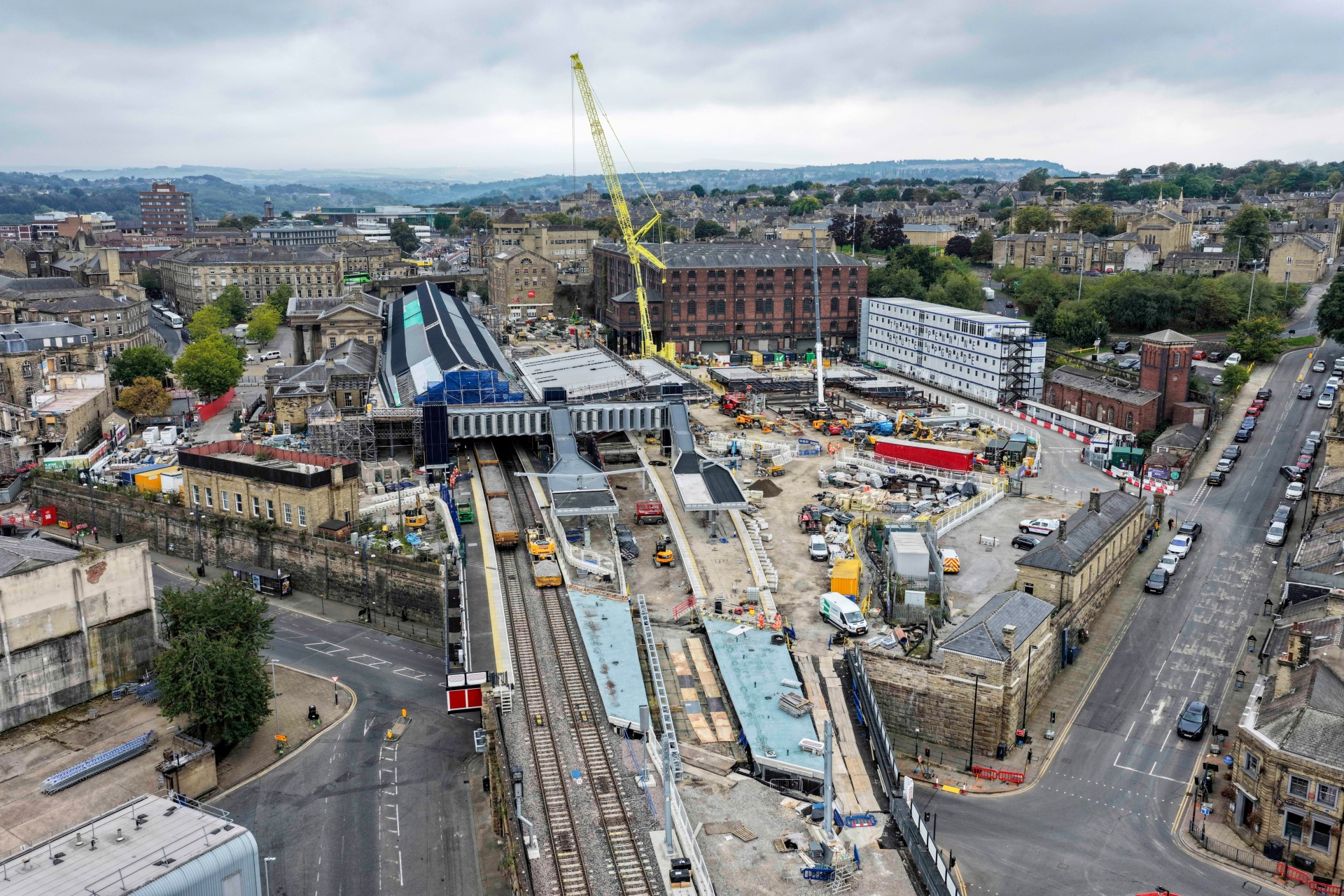
Train operations and construction access are central to delivery. Work near platform edges, overhead railway equipment or active running lines can require segregated work areas, possessions and carefully sequenced installation. Once structures and mechanical equipment have been installed, they must also be inspected and commissioned before the new access route is available to passengers. Those checks will establish whether the completed bridge and lift routes can be opened safely to passengers.
Cheltenham’s new northbound-platform lift is expected to open in spring 2028. Construction at Castle Cary is planned to start after the 2027 Glastonbury Festival, with a completion date still to be established. Network Rail will have to manage temporary passenger arrangements around each site as works proceed, followed by inspection and commissioning before new crossings and lifts enter public use. The five stations will therefore receive their improvements on separate construction and handover programmes.