IN Brief:
- Lovell has started phase two of Standard Hill in Hugglescote, building 100 affordable homes for emh.
- The tenure mix comprises 70 social-rent and 30 shared-ownership homes, with a detention basin and ecological measures planned.
- Emh is contributing more than £1m towards infrastructure and community facilities, and completion is expected in spring 2028.
Lovell has begun the second phase of Standard Hill in Hugglescote, Coalville, where it is building 100 affordable homes for East Midlands Housing Association (emh). The work forms part of an £18m development on the former Jacks ice cream factory site. The previous phase was completed in August 2025, and the current programme is expected to finish in spring 2028, combining housing construction with drainage, landscaping and local infrastructure contributions.
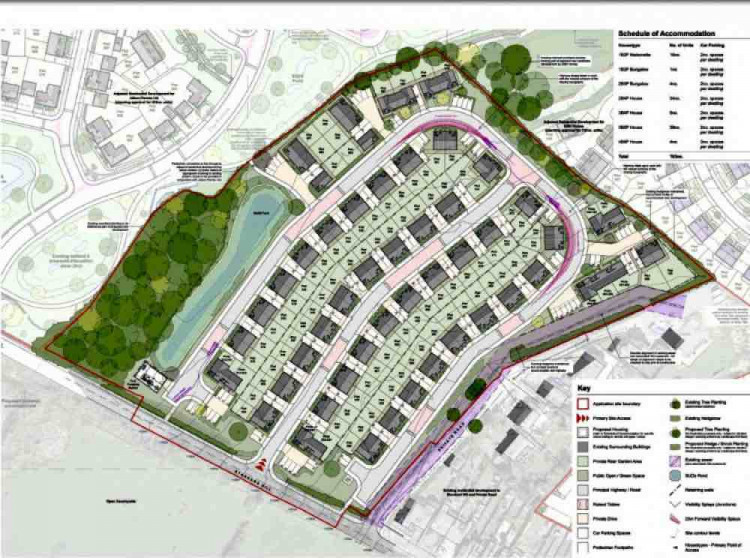
The new homes comprise 70 properties for social rent and 30 for shared ownership, arranged across one-, two-, three- and four-bedroom types. Lovell is working within a 9.3-acre neighbourhood development, rather than providing a standalone housing block. The second-stage works therefore combine dwelling construction with associated roads, surface-water measures, landscaping and the connections required to integrate the new homes with the surrounding settlement.
The site formerly housed the Jacks ice cream factory, which closed in 1993, and its redevelopment brings housing onto land with a previous industrial use. The contractor has not published the results of ground investigations or identified a particular remediation requirement. Foundation design, earthworks and any treatment of previous industrial ground conditions will depend on the site assessments and approved construction information. The industrial history establishes the site’s former use; it does not, on its own, establish contamination or a particular remedial technique.
A detention basin is included to manage surface water. Such basins temporarily hold runoff during rainfall events and release it at an intended rate, limiting peak flows into the downstream drainage network where designed and maintained correctly. The basin’s precise storage volume, discharge control and maintenance arrangement have not been published. Its inclusion nevertheless confirms that drainage is part of the physical development package rather than an issue left entirely to individual plots.
Ecological elements include hedgehog passages through garden boundaries, bird and bat boxes, and enhanced hedgerow planting. The small openings commonly called hedgehog highways can link otherwise separated garden areas, while habitat boxes and retained planting can provide nesting or shelter opportunities. Their effectiveness will depend on installation locations and subsequent management. The project team has not disclosed a quantified biodiversity net gain result, leaving the eventual ecological outcome dependent on installation and subsequent management.
The homes will be constructed in several dwelling sizes and tenures, which has consequences for the sequence of external works and services. Different plot types can require variations in internal arrangements, access and garden space, while shared roads, drainage and utility connections must serve the neighbourhood as a whole. The contractor has not stated whether timber frame, masonry or another structural system is being used, nor has it provided an exact homes-per-month completion schedule. The published spring 2028 date is the current programme target.
Emh is contributing more than £1m towards local infrastructure and community facilities alongside the housing scheme. The identified measures include highway improvements, primary school and healthcare provision, libraries, support connected with the National Forest, youth sports pitches at Owen Street Sports Ground, and traffic signals at Hugglescote Crossroads. These are contributions associated with the development rather than evidence that Lovell has been commissioned to construct every off-site improvement. Their delivery arrangements and completion dates have not been specified.
New housing adds construction traffic during the build and permanent pressure on roads and public services after occupation. The proposed highway and junction measures therefore sit alongside the physical requirements of the 9.3-acre development. Coordination between drainage, utility connections and access roads will also influence when individual plots can be occupied. Neither Lovell nor emh has published a detailed programme for the funded off-site improvements or the sequence of individual home handovers.
The appointment gives Lovell continuity from the first phase completed in August 2025 to the second set of homes. Familiarity with the earlier site layout and utility routes may help planning, although the developer has not disclosed savings or productivity results attributable to the repeat appointment. The published programme is defined by 100 homes with a 70-to-30 social-rent and shared-ownership split. That mixture, together with the proposed drainage basin and highways contributions, provides the confirmed scope against which delivery can be assessed.
Lovell and emh are targeting spring 2028 for completion of the current phase. Before that date, construction must progress across the housing plots and shared site infrastructure, including the drainage and landscaping identified in the plans. The partners have not published staged completion dates, final foundation specifications or a drainage-basin capacity. The former industrial site is nevertheless in active redevelopment, with the second phase moving from preparation into housebuilding.