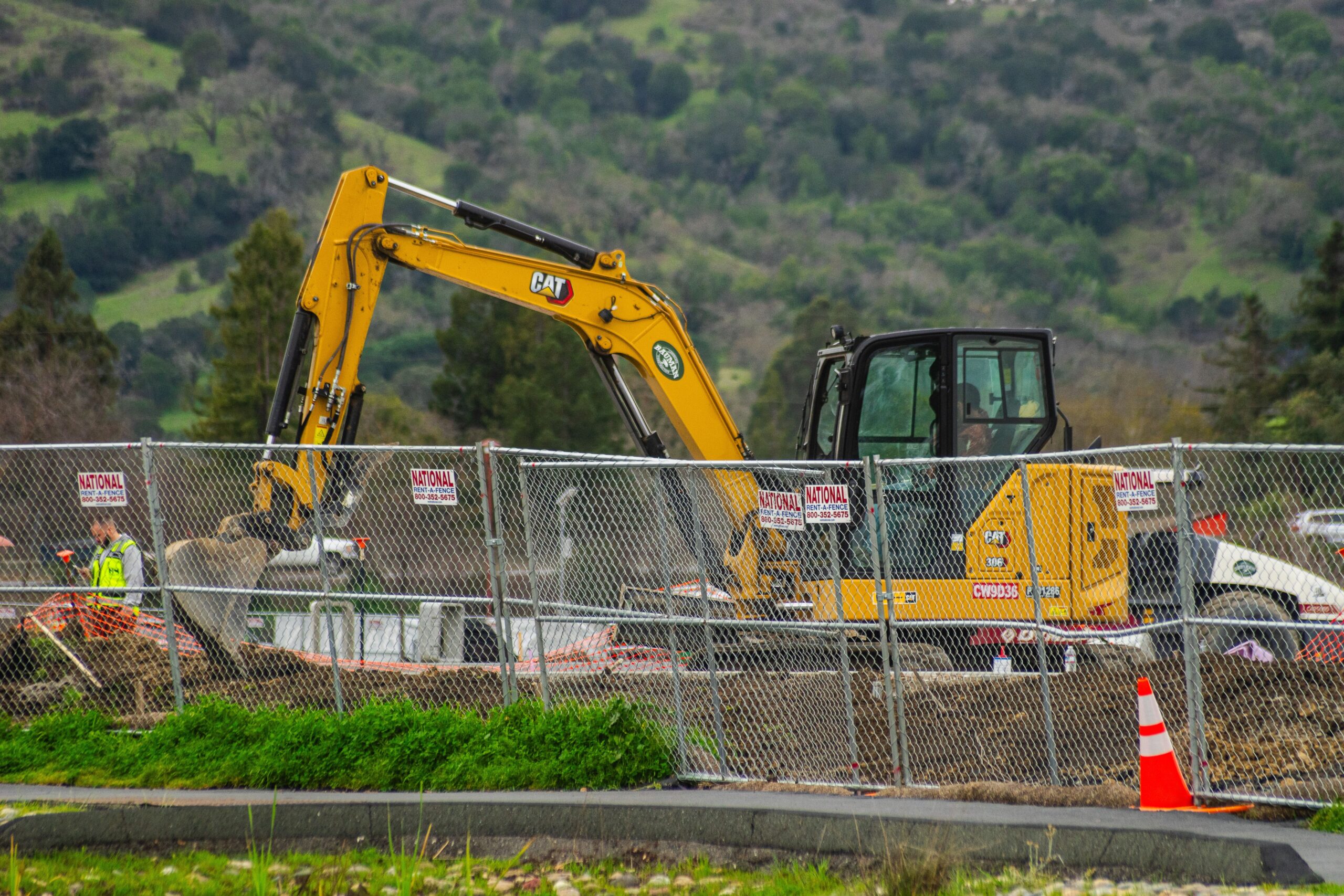
IN Brief:
- Caterpillar plans to make collision warning and mitigation technology standard on the majority of new Cat construction machines during 2027.
- Existing Cat Detect systems can combine radar, camera-based people detection, motion inhibition, and emergency braking, depending on configuration.
- Caterpillar has not supplied a complete model-by-model rollout list or confirmed that every new machine will contain every mitigation function.
Caterpillar will make collision warning and collision mitigation technology standard on the majority of its new construction machines during 2027, expanding systems that were previously optional on selected models and configurations. The change concerns the standard equipment supplied with new machines, not a requirement that every existing Cat machine be retrofitted.
The 16 November change will extend factory-fitted detection and operator assistance beyond the models and configurations where they were previously optional. It has not published a complete list of affected models, regional introduction dates, or the exact functions fitted to every configuration. Collision warning and collision mitigation are also not interchangeable terms: the former primarily alerts an operator to a hazard, while the latter can involve a machine response under defined conditions.
Existing Cat Detect packages show the technical differences between warning an operator and intervening in machine motion. Radar sensors monitor objects in defined areas around a machine, while smart cameras can differentiate people from some background objects and provide visual and audible proximity alerts. Depending on the installed package, information is displayed to the operator through an in-cab screen and warning levels can change with the proximity of a hazard and the machine’s movement.
On the medium wheel loaders covered by Caterpillar’s technical documentation, motion inhibition can block reverse gear engagement while a hazard remains in a critical zone. This applies when the machine is stationary; after the hazard clears and the operator returns to neutral, reverse can be selected again. Other configurations offer automatic emergency braking if a reversing machine presents a collision risk and the operator has not taken evasive action. The 2027 announcement does not establish that these two functions will be fitted to every machine included in the standardisation programme.
These different system behaviours become operationally important on sites where machines reverse near delivery drivers, banksmen, surveyors, and other workers. Rearward movement can be difficult to monitor from the cab when machine geometry, raised attachments, or surrounding structures restrict sightlines. Detection systems can introduce additional alerts into that process, but they are assistance tools rather than a substitute for controlled vehicle routes, designated exclusion zones, competent banksmen, and effective site supervision.
Caterpillar specifies limits to the people-detection capability of its existing camera systems. Caterpillar’s technical material states that people detection may fail under some conditions, including certain body positions and restricted visibility caused by lighting or weather. A sensor’s detection zone and the likelihood of an effective warning depend on the installed hardware, the machine configuration, and its operating environment. Those qualifications need to be retained whenever the systems are described as supporting incident prevention.
Radar and vision perform different tasks. Radar can help identify objects in a monitored area without depending on the same visual contrast as a camera, while camera-based processing can distinguish a human form from parts of the background in supported circumstances. Combining their outputs can offer operators information that a conventional reversing camera alone cannot provide. The technology remains subject to false alarms, missed detection, contamination, and practical maintenance requirements.
Site managers also need to consider what happens when a machine is transferred between projects. A fleet may include older equipment, new machines with different detection packages, hired plant, and specialist units from several manufacturers. Standard equipment on new purchases may improve consistency over time, but it does not immediately standardise an existing mixed fleet. Induction, familiarisation, fault reporting, and checks before use remain necessary where the operator interface and system behaviour differ.
Caterpillar’s technology portfolio can also transmit selected detection events to its VisionLink fleet platform where compatible hardware and an appropriate subscription are in place. Analysing repeated alerts may help identify areas where pedestrian and plant movements overlap. The 2027 release describes access to VisionLink, but it does not set out the model-by-model hardware and subscription arrangements required for every proposed installation.
A high frequency of detection events must be interpreted against the conditions in which the machine is used. Frequent alerts may reflect genuine repeated exposure to risk, but their number can also be influenced by operating conditions, sensor settings, and the way a site uses its machines. Fleet data should therefore be assessed alongside incident records, site layouts, supervision, and the movements actually required for the job, rather than treated as an independent measure of overall safety performance.
Contractors will have to establish the function of each installed system during machine handover. The presence of a camera, warning display, or mitigation feature does not eliminate responsibilities under a site’s traffic management plan. Manufacturers and dealers will also need to make clear which systems are supplied as standard, what remains optional, and how operators should respond to alerts or faults.
The proposed standardisation will extend through 2027, but Caterpillar has not disclosed the full list of eligible models or their individual configurations. Procurement specifications will therefore need to distinguish warning-only equipment from packages incorporating motion inhibition or braking as manufacturers release model-level details.