IN Brief:
- HS2 has awarded a £856m contract for the Washwood Heath depot and Network Integrated Control Centre in Birmingham.
- Taylor Woodrow Infrastructure and Aureos Rail will build, test, and commission the operational hub.
- The package sits inside HS2’s wider reset, with Washwood Heath central to testing and future railway operations.
HS2 Ltd has awarded a £856m contract to Taylor Woodrow Infrastructure and Aureos Rail for the construction of its Washwood Heath rolling stock depot and Network Integrated Control Centre in Birmingham.
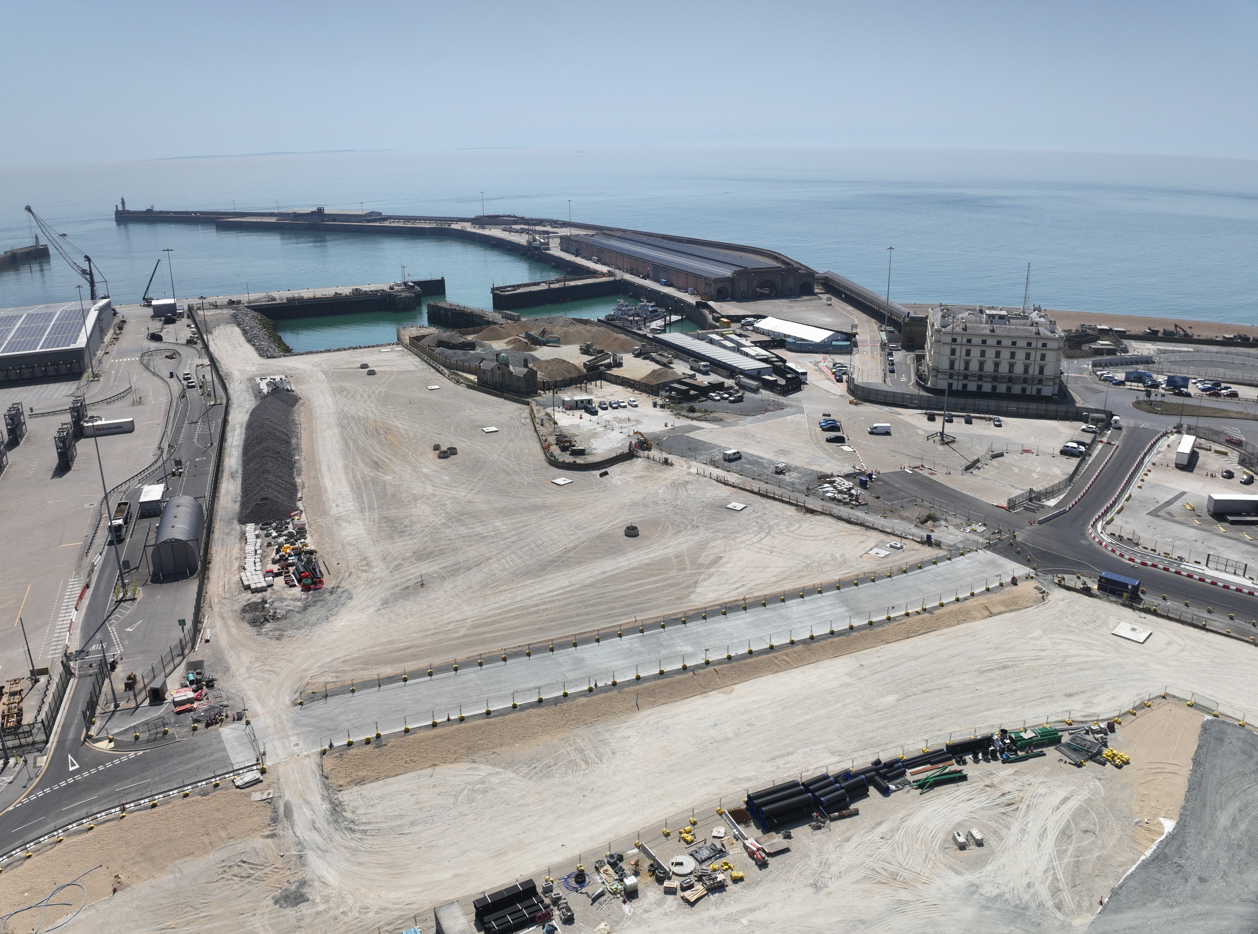
The companies will deliver the package through the TWA joint venture, taking forward one of the most operationally important parts of the London–Birmingham railway. The scheme will transform the former LDV and Metro-Cammell works into a maintenance, control, and logistics hub on a 70-hectare brownfield site east of Birmingham city centre.
Covering around 30 hectares within the wider site, the new depot will include a rolling stock maintenance building, carriage wash, automatic vehicle inspection building, overnight stabling sidings, and a test track for HS2 trains. The Network Integrated Control Centre will also be located at Washwood Heath, providing the base from which operational staff will manage train dispatch, communicate with drivers, and oversee services once the railway enters passenger operation.
Separate buildings will provide offices and facilities for drivers and cleaning teams, while land around the edges of the site is expected to be released for commercial development, green space, and habitat creation. HS2 expects around 500 temporary jobs during construction and roughly 1,000 permanent roles once the depot is complete and operating.
Before the main depot package could move forward, Balfour Beatty VINCI carried out enabling works at Washwood Heath, including the clearance of redundant industrial buildings, ground preparation, and remediation of land shaped by more than a century of heavy industrial use. Along the northern edge of the site, engineers have also completed a 750m retained cutting that will take trains down towards the Bromford tunnel as they leave Birmingham.
With that groundwork largely complete, the new award moves Washwood Heath from preparation into a more complex delivery phase. The site is no longer simply a rail construction location; it is becoming the operational heart of the route, where rolling stock, control systems, railway communications, maintenance activity, and testing infrastructure must be brought together before the railway can run.
IN Site has recently covered the wider HS2 programme reset, which is expected to run to the end of 2026 as Mark Wild’s team reviews specification, schedule, cost, and commissioning risk. The Washwood Heath contract now gives that reset a major fixed delivery point, because the depot and control centre cannot be treated as peripheral assets. They are required to test, commission, maintain, and ultimately operate the service.
Major rail programmes often become most exposed once civil engineering moves into systems integration. Structures can be built, earth moved, and sites remediated years before trains are ready to run, but the decisive stage comes when depots, signalling, power, communications, rolling stock, safety systems, and control rooms must work as one railway. Washwood Heath will sit at the centre of that transition.
For Taylor Woodrow Infrastructure and Aureos Rail, the contract adds a major rail systems and depot package to a UK market increasingly shaped by long-duration public infrastructure rather than speculative commercial building. The work will require design finalisation with HS2 and the future operator before full construction, testing, and commissioning proceed.
Washwood Heath has carried railway and vehicle manufacturing history for more than a century. Its next phase will put the site back into a national transport role, this time as the place where HS2’s future operating railway begins to take physical shape.