IN Brief:
- The redesigned masterplan proposes approximately 550–568 homes across as many as five phases.
- The programme includes full replacement of 250 existing social-rent homes, additional affordable housing, and later market homes.
- Hounslow is testing a development-partner model alongside possible interim roof and concrete repairs worth up to £5m.
Hounslow has opened soft market engagement for a development and investment partner to deliver the Convent Way Estate regeneration, with the revised programme valued at an estimated £300m excluding VAT.
The updated masterplan proposes approximately 550 to 568 homes across as many as five phases. It includes full replacement of 250 existing social-rent homes, additional social-rent accommodation, shared-equity properties, and market housing in later phases.
London Borough of Hounslow is using the engagement exercise to test market appetite, phasing, commercial structure, risk allocation, and whether interim capital works should be procured alongside the main regeneration partnership. The formal procurement is expected to use a Competitive Flexible Procedure.
The latest scheme is materially smaller than the concept discussed earlier in 2026. In March, the council said Convent Way had the potential to deliver around 900 homes, but the procurement notice now refers to a redesigned masterplan of approximately 550 to 568 homes following further work on the programme.
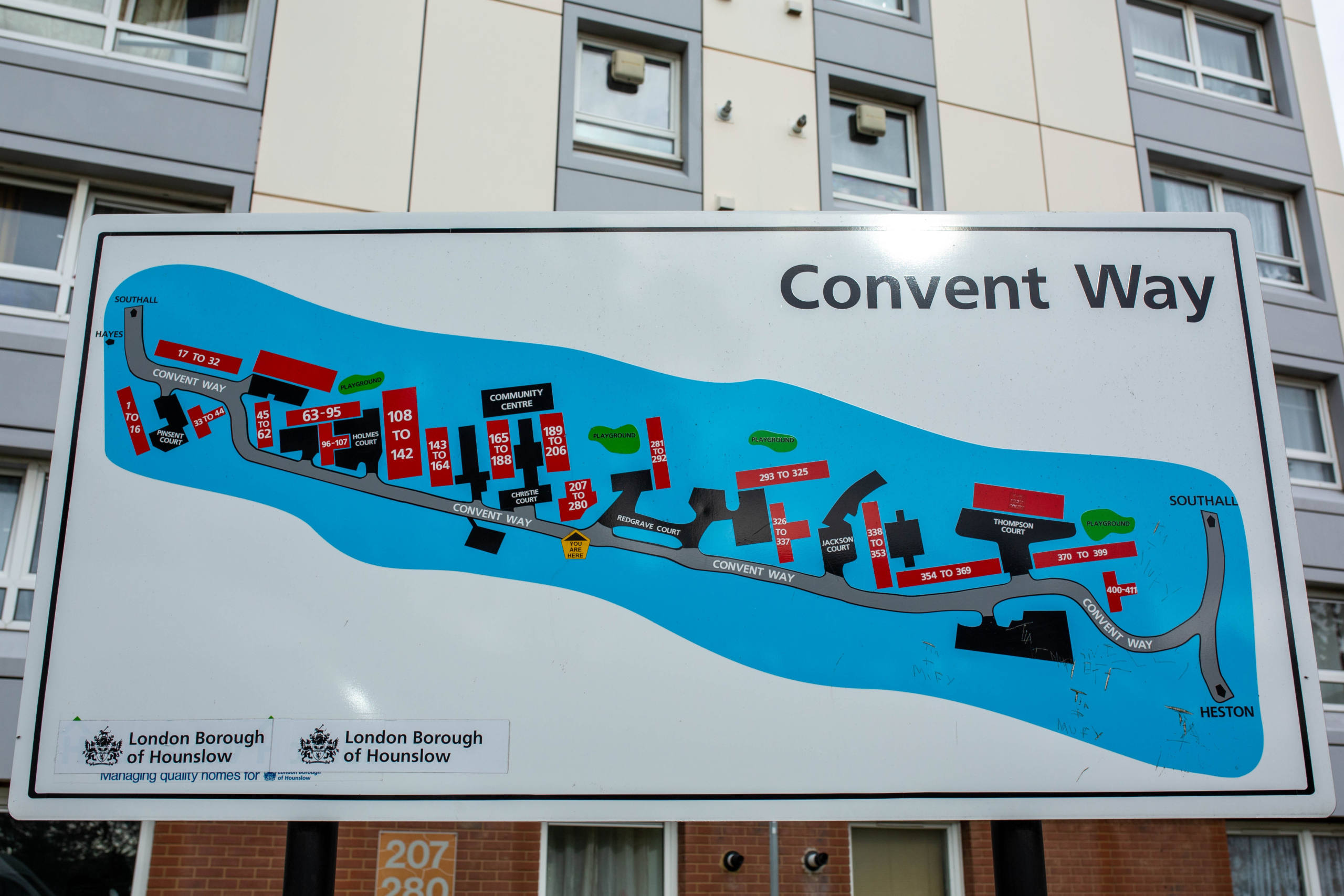
The existing estate contains 390 flats across 17 blocks, many of which the council says are increasingly difficult and costly to maintain. More than 80% of participating residents backed redevelopment in the estate ballot, giving the council a mandate to proceed while retaining commitments made through the landlord offer.
The revised delivery model keeps full replacement of the 250 existing social-rent homes within scope, alongside additional affordable homes and later market housing. Delivery is expected across up to five phases, supported by a revised hybrid planning application and a phased compulsory-purchase strategy.
Early phases are intended to be delivered on behalf of the council, while later phases would be taken forward by the selected partner as retained developer. That structure would place development finance, construction delivery, sales exposure, and long-term phasing within a single strategic partnership rather than dividing the estate into a sequence of unrelated building contracts.
The council’s current programme indicates that a planning application should be submitted in 2027, while the first phase of new homes is expected to complete around 2032 or 2033, subject to change. The wider regeneration is expected to run for about 15 years, and the procurement notice gives an indicative contract period from 2028 to 2042.
That duration creates a significant sequencing problem. Existing homes have to remain safe and serviceable while replacement blocks are designed, approved, funded, and built, and the majority of eligible tenants are intended to move directly from their current homes into new accommodation on the estate rather than pass through multiple temporary moves.
The first phases therefore have to create enough replacement capacity before subsequent blocks can be vacated and demolished. Decant strategy, temporary access, utilities, estate management, and construction logistics will all be tied to the housing programme, making the order of delivery as important as the total number of homes.
Hounslow is separately considering whether interim roof and concrete repairs worth up to £5m should be included alongside the regeneration procurement. That work reflects the practical difficulty of maintaining buildings that are destined for redevelopment but may still remain occupied for several years before individual phases reach demolition.
The Initial Demolition Notice served in July does not signal an immediate move for residents, but it is another step in preparing the estate for long-term redevelopment. The council is continuing housing-needs work while it seeks a partner capable of taking the project through planning, phasing, financing, and construction.
Commercial risk will shift over the life of the scheme. Early council-led phases will require close control over replacement housing and resident commitments, while later phases are expected to expose the development partner more directly to market conditions, sales values, funding costs, and construction inflation.
The reduction from the earlier 900-home concept may also alter the balance between affordable replacement, additional social housing, and market units used to support scheme viability. The current notice does not set out the final tenure split beyond the broad categories, leaving that detail to the redesigned masterplan and the next planning stage.
For the eventual contractor and development team, the estate’s long programme means building work will run beside occupied homes for years rather than months. Site boundaries, pedestrian routes, deliveries, resident access, demolition, and temporary services will all have to move as phases are completed and new areas are released.
Expressions of interest are being used to test that delivery model before formal competition. The council can still adjust phasing, package structure, and risk allocation in response to market feedback, which is particularly important on a programme where the commercial assumptions in the final phases may differ substantially from those applying at the first start on site.
The next procurement documents should provide a firmer view of how the £300m programme is divided, how the early council-led phases connect with later retained development, and how the revised 550–568-home masterplan will be funded. Until then, Convent Way has moved beyond the earlier 900-home concept but remains at the stage where commercial structure and construction sequence are still being set.