IN Brief:
- Heidelberg Materials is taking its Akçansa stake from 39.72% to 79.44%.
- Akçansa operates cement plants, ready-mix sites, quarries, and terminals across Turkey’s key coastal regions.
- The deal deepens control over a materials platform with domestic scale and export reach.
Heidelberg Materials is moving to majority ownership of Turkish producer Akçansa, taking its stake from 39.72% to 79.44% in a deal that strengthens its position in one of the Mediterranean region’s most strategically useful cement and building materials markets.
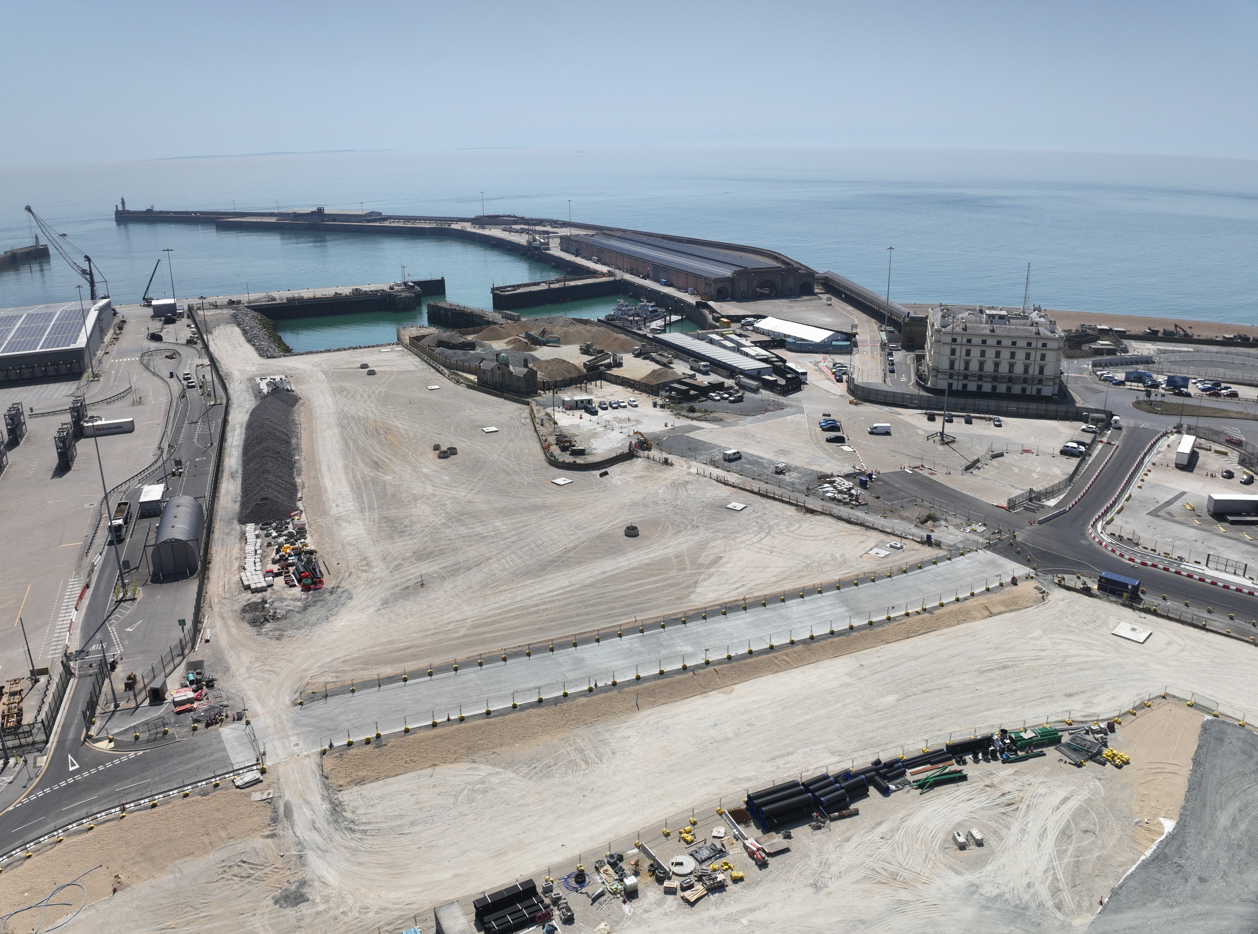
Akçansa operates three cement plants, 26 ready-mixed concrete plants, five aggregate quarries, and five cement terminals across the Marmara, Aegean, and Black Sea regions. Heidelberg Materials has said majority control will allow it to unlock operational, commercial, and logistical synergies while improving its ability to allocate volumes across domestic and export markets.
The value of the deal lies in control of an integrated asset base with strong geographic reach. Turkey remains a substantial cement market in its own right, but Akçansa’s footprint also offers access to coastal terminals and export routes that provide flexibility in a more volatile trading environment. That flexibility has become increasingly important as producers respond to shifting regional demand, energy exposure, freight disruption, and carbon-related cost pressures.
Materials producers have spent the past several years paying closer attention to plant location, route-to-market resilience, and the ability to balance domestic consumption with export opportunities. Ownership of terminals and coastal access can be just as important as kiln capacity when demand is uneven and regional construction cycles move out of sync with one another.
The acquisition also reflects the way larger groups are approaching materials M&A. The emphasis is not simply on adding volume. It is on securing operating control over productive assets that can serve multiple markets and support a broader logistics strategy. In Akçansa’s case, that means a position spanning cement, aggregates, ready-mix, and terminal infrastructure in a geography that sits between Mediterranean, Black Sea, and Middle Eastern trade routes.
Turkey’s construction market has long had significance beyond national demand alone. Its production base, coastal infrastructure, and regional location mean it can serve both domestic projects and nearby markets with infrastructure needs, urban growth, or reconstruction demand. For an international producer, a stronger stake in that system offers optionality that reaches beyond immediate local sales.
The wider building materials market continues to adapt to a more strategic view of production and distribution. Carbon costs, fuel exposure, shipping availability, and geopolitical risk have all sharpened the commercial importance of asset quality and logistics control. Integrated platforms with export reach now carry greater weight in portfolio decisions than they did during more stable market conditions.
For construction markets in Europe, the immediate effect may be indirect, but the direction is clear. Large producers are still willing to deepen their hold over integrated materials businesses where location, infrastructure, and market access line up. In a sector where transport and terminal capacity can shape competitiveness as much as output, that kind of control remains highly valuable.