IN Brief:
- Grafton's GB average daily like-for-like revenue declined 5.2% from July through October 2026.
- Ireland grew 6.5% and Iberia 7.4% on the same measure, helping group trading despite weak British demand.
- The company maintained its £190m–£200m full-year adjusted operating profit guidance while pursuing operational efficiency.
Grafton Group recorded a 5.2% fall in average daily like-for-like revenue in Great Britain during the four months to 31 October 2026, as weak housebuilding and repair, maintenance and improvement demand persisted. Stronger trading in Ireland, Iberia and Northern Europe allowed the building products distributor to maintain its full-year adjusted operating profit guidance despite the further decline in its British business.
Great Britain’s fall compares with a 5.1% decline in the first six months of the year. The revenue measure adjusts for trading days and compares like-for-like operations, providing a clearer view of existing demand than the group’s headline sales value, which also includes acquisitions. The similarity between the first-half and July–October rates indicates that Grafton saw no meaningful recovery in British trading during the latest period.
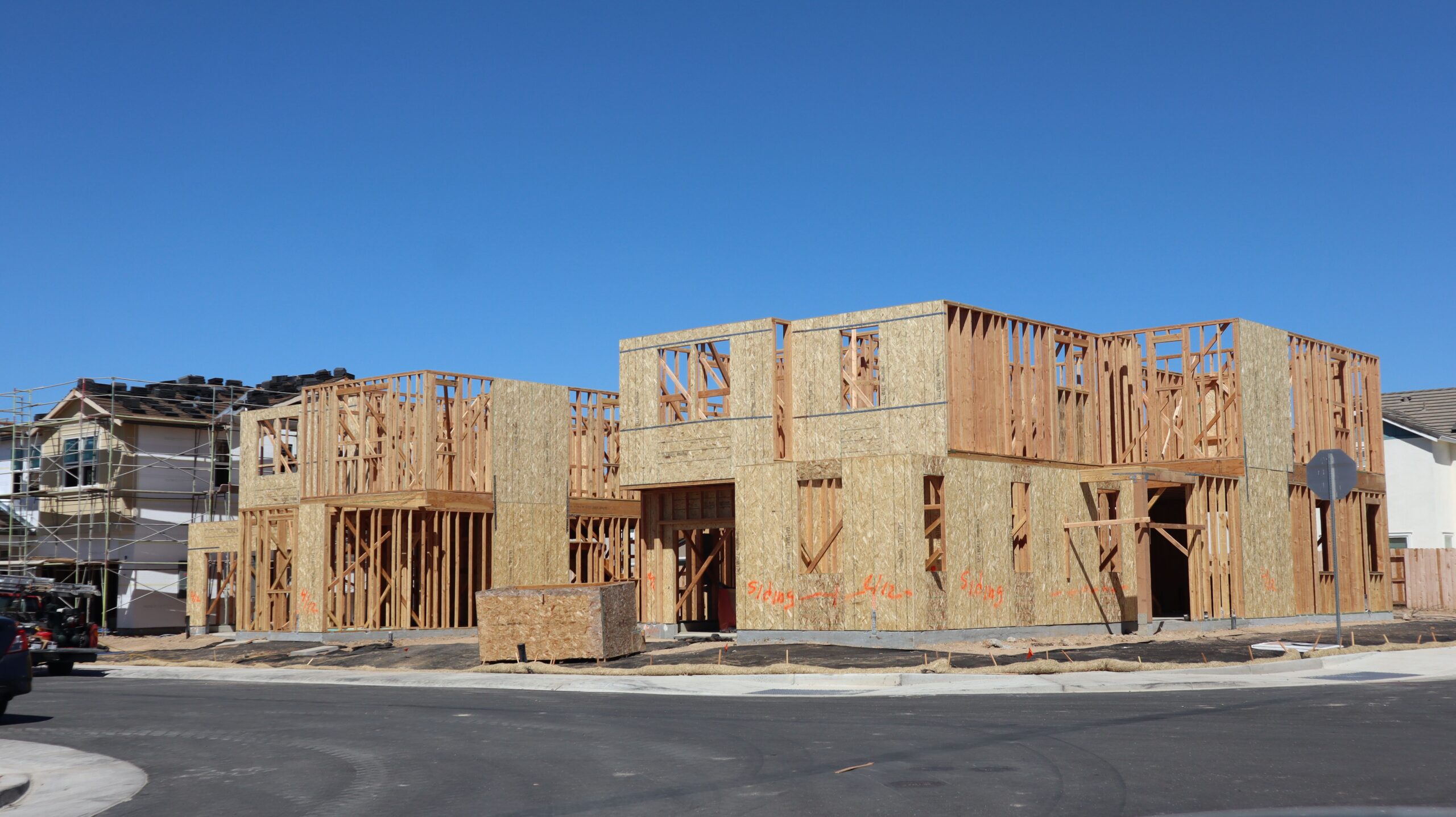
Great Britain represented 16% of the group’s first-half segmental operating profit before central activities. Grafton identified continued weakness in both repair, maintenance, and improvement work and new housebuilding. Those two channels do not follow exactly the same project cycle: repair demand may respond to household spending decisions and property maintenance budgets, while new-build material orders depend on developers progressing sites and letting construction packages.
Selco Builders Warehouse, the group’s British merchanting operation, introduced its Sharp Prices and TradeREWARDS initiatives in August. Grafton is also seeking improvements in store productivity and efficiency as volumes remain under pressure. The trading update does not identify a new programme of UK branch closures or job cuts, and the measures disclosed concern pricing, trade customer retention and operating costs.
Builders’ merchants handle a mixture of planned project orders and shorter-notice purchases by trade customers. Their branches need to carry enough stock to maintain product availability, while responding to changes in the timing and volume of building work. When fewer homes start on site or repair projects are deferred, stock turnover, deliveries and the use of branch capacity can weaken even if the product range remains largely unchanged.
Lower activity can leave inventory in stores for longer while staffing, storage, handling and distribution costs continue. Grafton’s emphasis on cost control and branch efficiency is consistent with those operating pressures, although the group did not publish a separate breakdown showing how much of the British decline came from lower unit volumes or changes in selling prices. Revenue weakness should therefore be distinguished from a measured decline in physical quantities sold.
The contrast with Ireland is substantial. Average daily like-for-like revenue increased by 6.5% across the island of Ireland during the four-month period, compared with growth of 3.4% in the first half. Grafton linked the improvement to stronger market positions and continued public investment in housing and infrastructure in the Republic of Ireland. Northern Ireland also returned to positive growth following a slower start to the year, although its underlying conditions remained subdued.
Grafton is integrating Cygnum, an Irish producer of made-to-order offsite timber frame structures. The business supplies structural packages planned and manufactured before installation, extending the group’s activities beyond conventional distribution. Production scheduling, factory capacity and the pipeline of confirmed housing projects shape that part of the market differently from merchant branches that fulfil many smaller orders. Grafton has not attributed a specific near-term earnings uplift to Cygnum in this update.
Iberia delivered 7.4% average daily like-for-like revenue growth, while growth on a pro forma basis including Mercaluz for the comparative period reached 9.0%. Northern Europe rose 1.4%, supported by modest growth in Finland and the Netherlands. Grafton notes that product price inflation was a significant contributor to Dutch branch sales, an important qualification when comparing revenue figures with underlying physical building activity.
Across all markets, group average daily like-for-like revenue rose 2.0% in July–October, compared with 0.6% in the first half. Revenue for the financial year to date reached £2.29bn, 7.4% higher than in the same period of 2025, helped by acquisitions. The company maintained its forecast of £190m–£200m in full-year adjusted operating profit while reporting rising energy costs and further measures to manage them.
The British performance aligns with wider construction indicators showing pressure on new residential work. Office for National Statistics figures published last week estimated that private new housing output fell 4.7% in the third quarter, even though total construction output recovered modestly in September. The two datasets measure different activity, but both describe a market in which the residential building pipeline is restraining demand.
Growth outside Great Britain has offset the continuing weakness in its British builders’ merchanting operation, but the 5.2% comparable revenue decline leaves little evidence of a recovery in domestic trade demand. Grafton’s next trading figures will show whether the combination of subdued housebuilding and weaker repair activity has persisted into the final months of 2026.