IN Brief:
- CECA has published two complementary guides introducing carbon accounting and practical implementation of PAS 2080 for civil engineering SMEs.
- The documents cover Scope 1–3 emissions, embodied carbon, reporting boundaries, activity data, reduction targets, and whole-life assessment.
- The guidance supports contractors developing carbon management processes, including businesses considering alignment with PAS 2080 or certification.
The Civil Engineering Contractors Association (CECA) has published two practical guidance documents to help small and medium-sized civil engineering contractors understand carbon emissions and incorporate carbon management into project delivery. The publications explain the principles of PAS 2080 and provide methods for establishing emissions boundaries, collecting data, assessing construction activities, and identifying opportunities to reduce carbon.
Published under the title Carbon Reduction and PAS 2080 Demystified, the guidance consists of an introductory document and a separate practical implementation guide. The first addresses carbon terminology and its relationship with construction and cost, while the second outlines the processes required to calculate, report, and manage emissions. Both publications are available free of charge and include information intended for smaller businesses and specialist subcontractors.
CECA developed the guidance using contributions from contractors with experience of environmental and sustainability management. The material draws on practical examples from infrastructure delivery rather than relying entirely on explanations of carbon accounting principles. It is intended to help businesses establish processes appropriate to their operations, including those beginning to measure emissions for the first time.
The introductory document covers Scope 1, Scope 2, and Scope 3 emissions, together with embodied carbon and whole-life carbon. These concepts describe different sources and stages of environmental impact, and they must be understood before a contractor can establish a consistent reporting approach. Without agreed definitions, emissions information collected from projects or company operations may be incomplete or difficult to compare.
Scope 1 emissions arise from sources directly controlled or operated by a business, such as fuel consumed by its construction machinery and company vehicles. Scope 2 concerns emissions associated with purchased electricity and other applicable forms of purchased energy. Scope 3 includes relevant indirect emissions elsewhere in the value chain, which may involve purchased construction materials, subcontracted activities, transport, and other services.
The treatment of particular activities depends on the reporting boundary and the applicable accounting method. Machinery hired with an operator, for example, may be accounted for differently from equipment owned and operated directly by the reporting contractor. Establishing who controls the activity and which reporting requirements apply is necessary before the associated emissions can be assigned consistently.
The practical guide begins with setting an emissions boundary, identifying which operations, materials, and services are included in the assessment. This provides the basis for determining what data should be collected and who is responsible for supplying it. Changes to that boundary must be recognised when comparing results between reporting periods, otherwise differences in reported emissions could reflect altered accounting coverage rather than improvements in operating performance.
Activity data may be obtained from fuel records, electricity invoices, material quantities, transport information, and supplier documentation. Relevant emissions factors can then be applied to estimate the carbon associated with those activities. The reliability of the calculation depends on the quality of the underlying information, the suitability of the selected factors, and the consistency with which the method is applied.
Small contractors can face practical difficulties where information is held across several systems or by different suppliers. Plant consumption may be recorded through fuel purchases or machine operating records, while material information can appear in delivery notes, invoices, and technical documentation. Consolidating these records into a consistent assessment requires clear procedures, particularly where several companies contribute to the same construction project.
Establishing a baseline allows a contractor to identify the activities responsible for the greatest proportion of its measured emissions. A reduction programme can then focus on appropriate changes to equipment use, material selection, logistics, or construction methods. Such decisions must continue to satisfy engineering specifications, safety requirements, cost constraints, and the contractual responsibilities associated with the work.
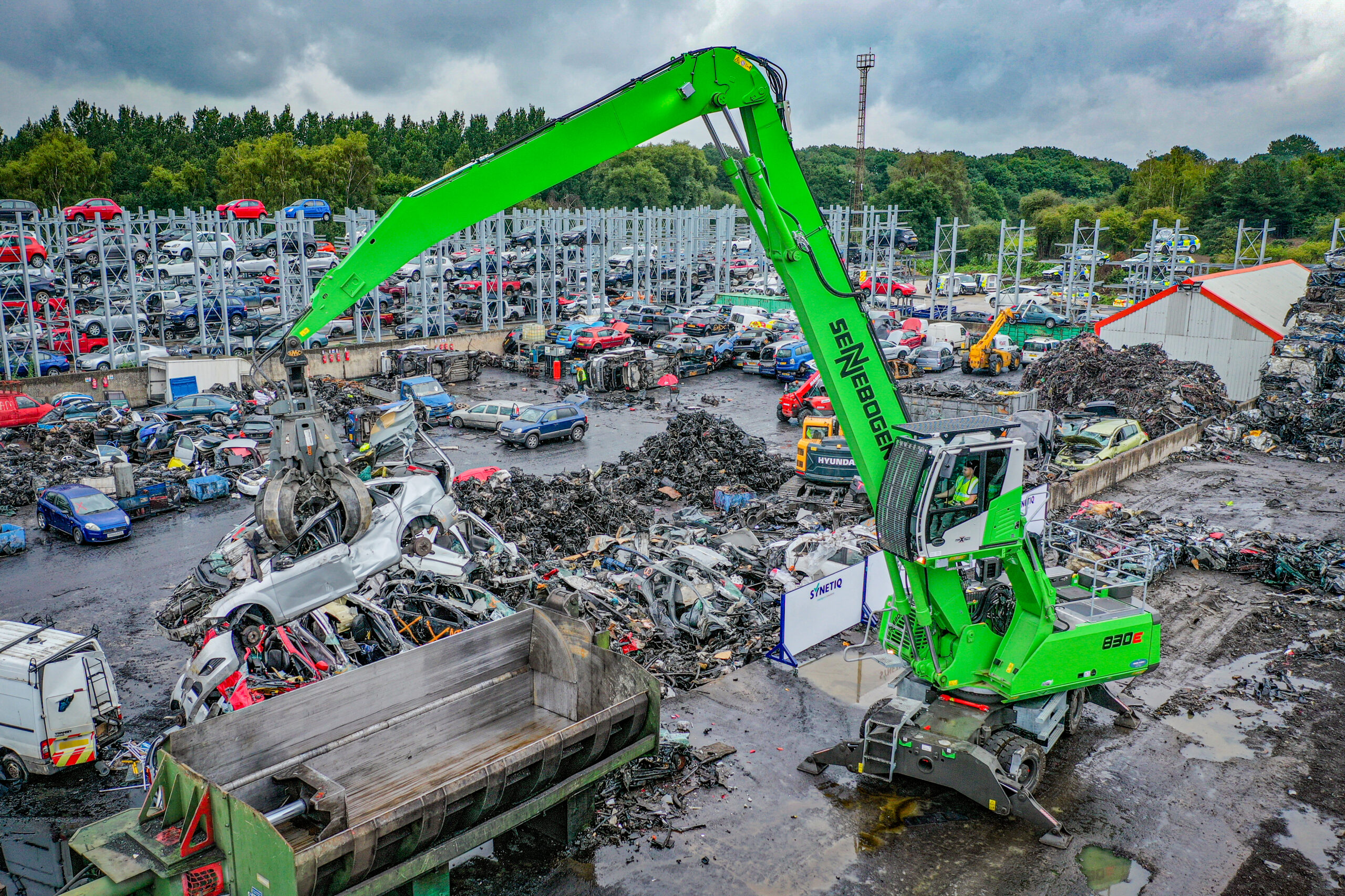
Fuel consumption by construction plant provides one possible area for assessment. Equipment selection, operating hours, idling, and the sequence of site activities can affect the fuel used to complete a task. The relevant comparison is the amount of work achieved under comparable conditions, rather than the fuel consumed during an isolated period without consideration of the activity undertaken.
Construction materials present another substantial consideration. Concrete, steel, asphalt, aggregates, and other products carry emissions associated with extraction, processing, manufacture, and transport. Reducing unnecessary quantities, improving material utilisation, and considering technically suitable alternatives may influence embodied carbon, although any substitution requires appropriate assessment of structural performance, durability, installation requirements, and whole-life consequences.
PAS 2080 establishes a framework for managing carbon across the lifecycle of buildings and infrastructure. It encourages asset owners, designers, contractors, and suppliers to consider emissions during project development, procurement, construction, operation, maintenance, and eventual end-of-life activities. Decisions made during design can establish the quantities and construction methods used later, making collaboration between organisations an important element of carbon management.
Whole-life assessment is broader than measuring fuel consumed on a construction site. A design involving fewer materials during initial construction may have different maintenance or replacement requirements from an alternative with higher initial embodied carbon. The relevant assessment must therefore consider the lifecycle stages and performance requirements included within the defined scope, rather than treating the lowest initial material quantity as automatically preferable.
Ben Goodwin, CECA’s Director of Policy and Public Affairs, said: “Involving them early gives the whole project team a better chance of identifying opportunities to cut carbon, avoid waste and reduce costs.”
His comments concerned the contribution smaller contractors can make through their knowledge of materials, plant, and construction methods. Specialist businesses often understand the practical constraints associated with individual operations and may be able to identify construction sequences or material arrangements that are difficult to assess without delivery experience.
The guidance also addresses the development of reduction targets and reporting arrangements. Businesses seeking to align with PAS 2080 must establish appropriate management processes and supporting evidence. Using the publications does not itself demonstrate certification or compliance with every requirement of the standard; these outcomes depend on the processes implemented and the relevant assessment arrangements.
CECA previously published carbon reduction guidance for SMEs in 2021. Its latest material provides a structured introduction alongside worked examples, case studies, and links to supporting tools. The project was led by CECA Sector Group Manager Kate Lloyd, with contributions from member businesses and specialists experienced in construction carbon management.
Both publications are available through CECA’s website, and the association intends to review them periodically as policy and industry requirements change. Contractors can use the documents to develop initial emissions inventories, establish consistent data collection, and identify reduction measures before undertaking more detailed project carbon assessments or pursuing formal certification.