IN Brief:
- Bellway completed 9,695 homes in the year to 31 July 2026, 10.8% more than a year earlier.
- Underlying operating margin declined from 10.9% to 10.1% despite growth in operating profit.
- The housebuilder expects 9,000–9,400 completions in 2027 and further pressure on margins.
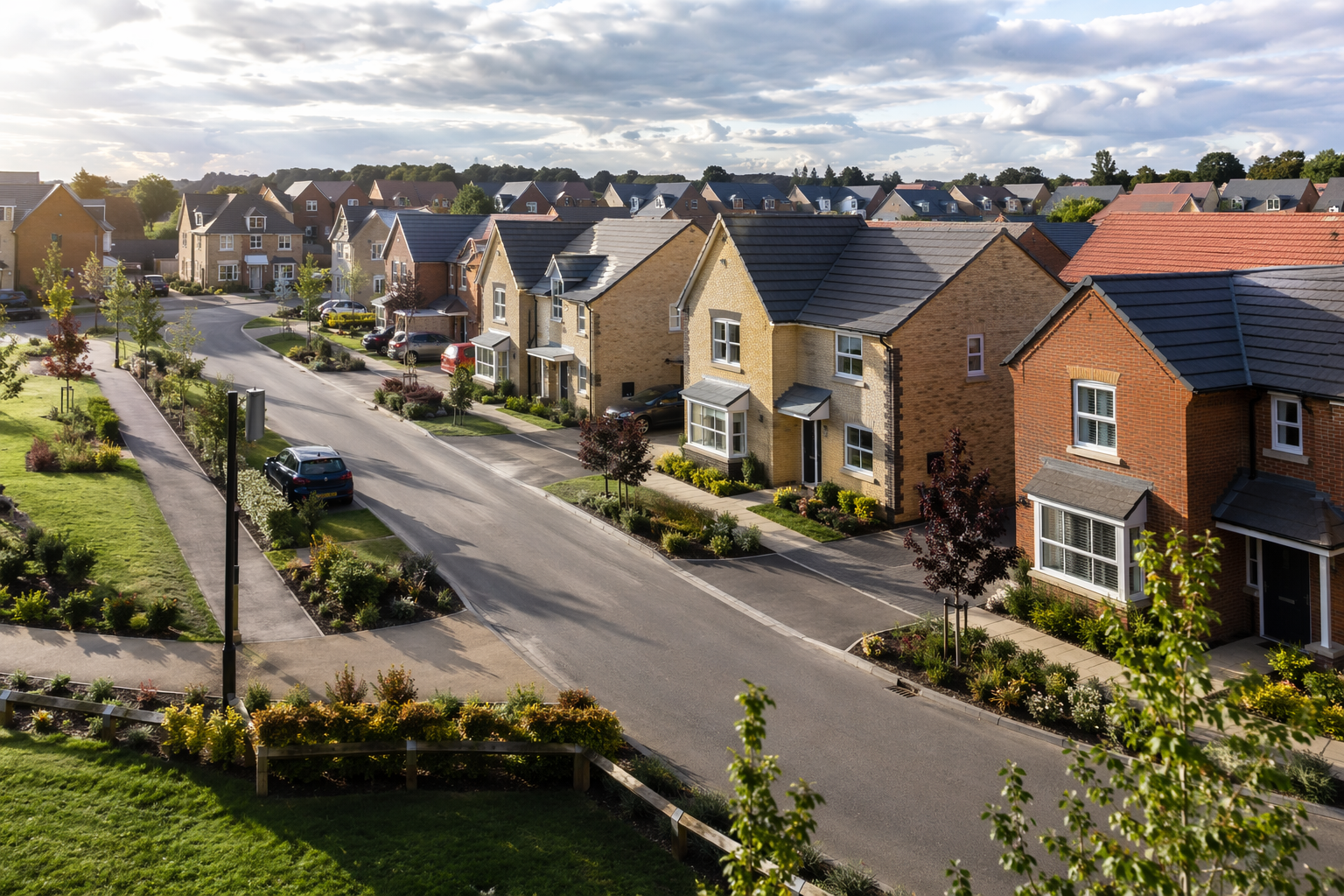
Bellway completed 9,695 homes in the financial year ended 31 July 2026, an increase of 10.8%, as higher output lifted revenue and underlying operating profit despite pressure on the profitability of individual developments. The housebuilder’s annual results, released on 13 October, show a more difficult trading outlook for the coming year, with mortgage affordability, construction inflation and sales incentives expected to constrain margins.
Total revenue rose 13.6% to £3.16bn, compared with £2.78bn in 2025, and underlying operating profit increased 5.6% to £320.6m. The underlying operating margin nevertheless declined from 10.9% to 10.1%. Underlying gross margin fell from 16.4% to 15.7%, showing that selling more homes did not fully offset the cost of delivering them and the incentives needed to secure reservations.
The average selling price for all completed homes increased to £324,404 from £316,412, while the composition of the programme continued to include private and affordable housing. Bellway completed 7,631 private homes and 2,064 social homes, against 6,924 and 1,825 respectively in the previous year. Both tenure categories therefore contributed to the higher total, rather than the headline rise being attributable solely to private sales.
Completed housing reflects earlier reservations and building programmes, whereas current reservations determine a substantial share of future site activity. Bellway reported that its private reservation rate per outlet, excluding bulk sales, fell from 0.52 to 0.49 a week over the financial year. In the nine weeks after 1 August, the equivalent measure was 0.45 against 0.48 in the comparable period a year earlier.
At 2 October, the forward order book stood at 4,981 homes with a value of £1.44bn, down from 5,285 homes worth £1.53bn a year earlier. Bellway expects 9,000 to 9,400 completions in the current financial year, below the 9,695 delivered in 2026. It anticipates an increased contribution from bulk sales, which can help maintain construction output and cash generation but are also expected to affect average margins.
Management estimates build cost inflation of around 3% to 4% in the 2027 financial year. Material and energy cost pressures increased during the second half of 2026, with suppliers and subcontractors seeking higher prices. Bellway said it had negotiated rates to limit the effect and continued to have good product availability, while acknowledging that international energy and supply chain conditions could lead to further increases.
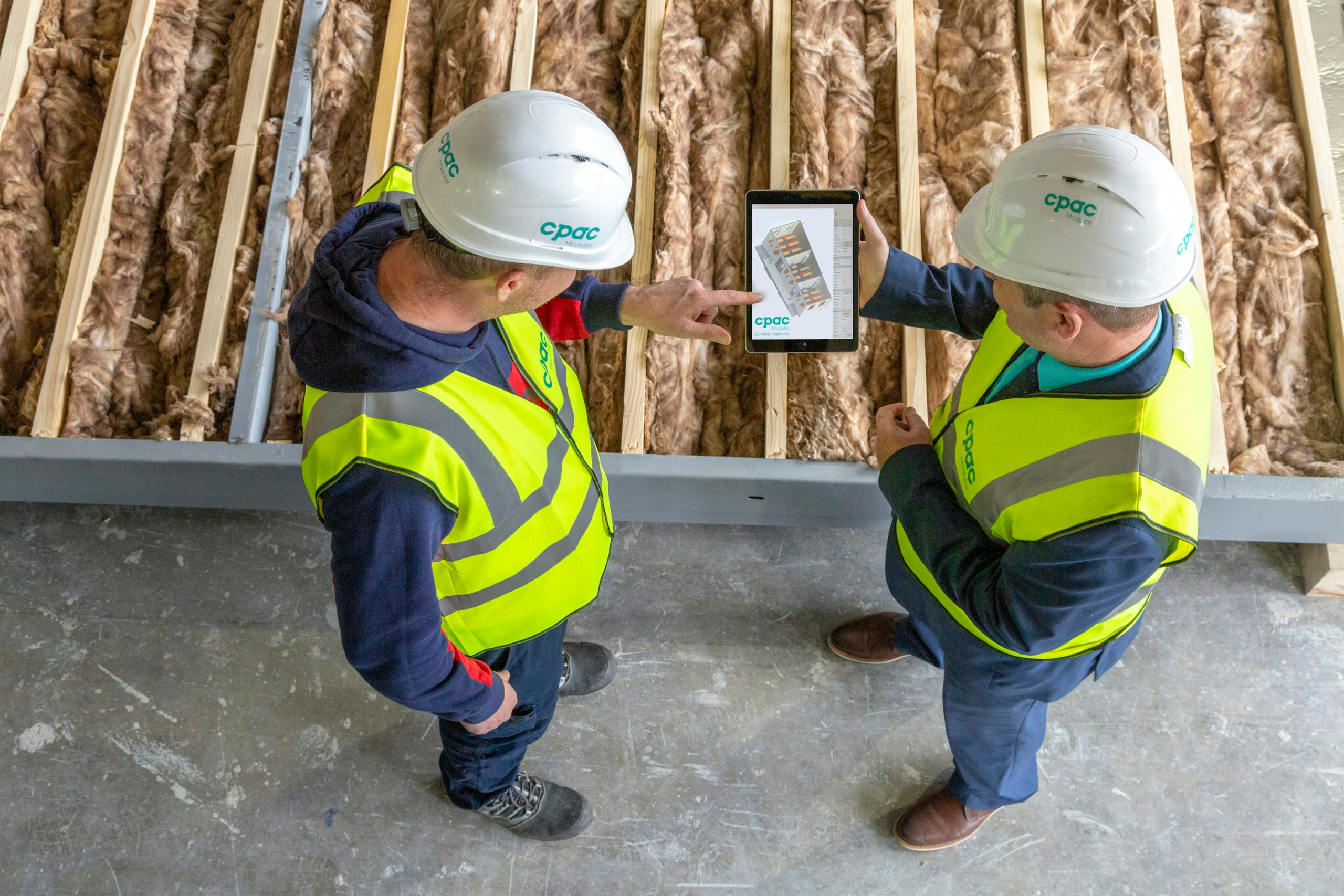
The group is responding by increasing commonality in design, purchasing and construction processes. It has finalised the Bellway Collection of standard house types, designed to accommodate traditional and timber frame construction methods. Reusing established designs can reduce repeated design work and support more consistent material specifications across developments, although savings depend on site geometry, planning conditions, ground conditions and the mix of homes required by each permission.
Bellway opened its Home Space timber frame manufacturing facility in January 2026 and began supplying divisions with components for completions during the second half of the year. Timber frame construction accounted for approximately 20% of output in 2026, and the company is targeting around 30% by 2030. The factory gives the business a route to increasing off-site component production, which can improve sequencing on suitable schemes but still requires integration with foundations, services and site logistics.
Planning permissions and land availability will constrain the pace at which completed plots can be replaced. Bellway had 94,666 plots at its July year end, including 45,992 owned and controlled plots and strategic holdings of around 48,000. Within the owned and controlled total, 27,092 plots had implementable detailed planning permission, fewer than the 30,544 a year earlier, while the pipeline awaiting implementable permission increased. The group expects to trade from an average of approximately 230 outlets in 2027, compared with 238 during 2026.
Improved management of work in progress contributed to a 36% rise in adjusted operating cashflow to £868.6m. That measure reflects the relationship between expenditure on land, materials and construction and the receipt of cash when properties complete. A shorter interval between committing resources and receiving sales proceeds reduces the amount of capital tied up on sites, although it does not remove the need to fund infrastructure and early construction activities.
Bellway said it was assessing the potential effect of the proposed Your First Home scheme but did not assume an immediate recovery in demand. Its outlook remains for lower completions and a further decline in underlying operating margin during 2027, while standardisation, timber frame production and selective land investment are intended to improve operating performance beyond that period.