IN Brief:
- BauWatch has warned that construction crime is increasingly targeting remote sites and high-value assets.
- The trend includes theft of vehicles and heavy machinery, alongside more sophisticated digital methods.
- Site security is becoming a programme, insurance, and continuity issue as equipment values rise.
BauWatch has warned that construction crime across Europe is becoming more organised, more digital, and increasingly focused on remote sites and high-value equipment.
The security specialist’s latest assessment points to rising theft of vehicles and heavy machinery, with criminals also using more sophisticated methods including drones, fraud, and digital credentials. Remote sites are particularly exposed because they often hold valuable plant, fuel, tools, and materials while operating with fewer witnesses and less natural surveillance.
Equipment loss is rarely confined to the replacement value of the stolen asset. Missing plant can stop work, break programme sequencing, trigger insurance claims, delay replacement, and strain relationships between contractors, clients, and hire companies. On infrastructure, housing, renewable energy, and civils sites, the loss of one excavator, telehandler, generator, or fuel bowser can disrupt several trades at once.
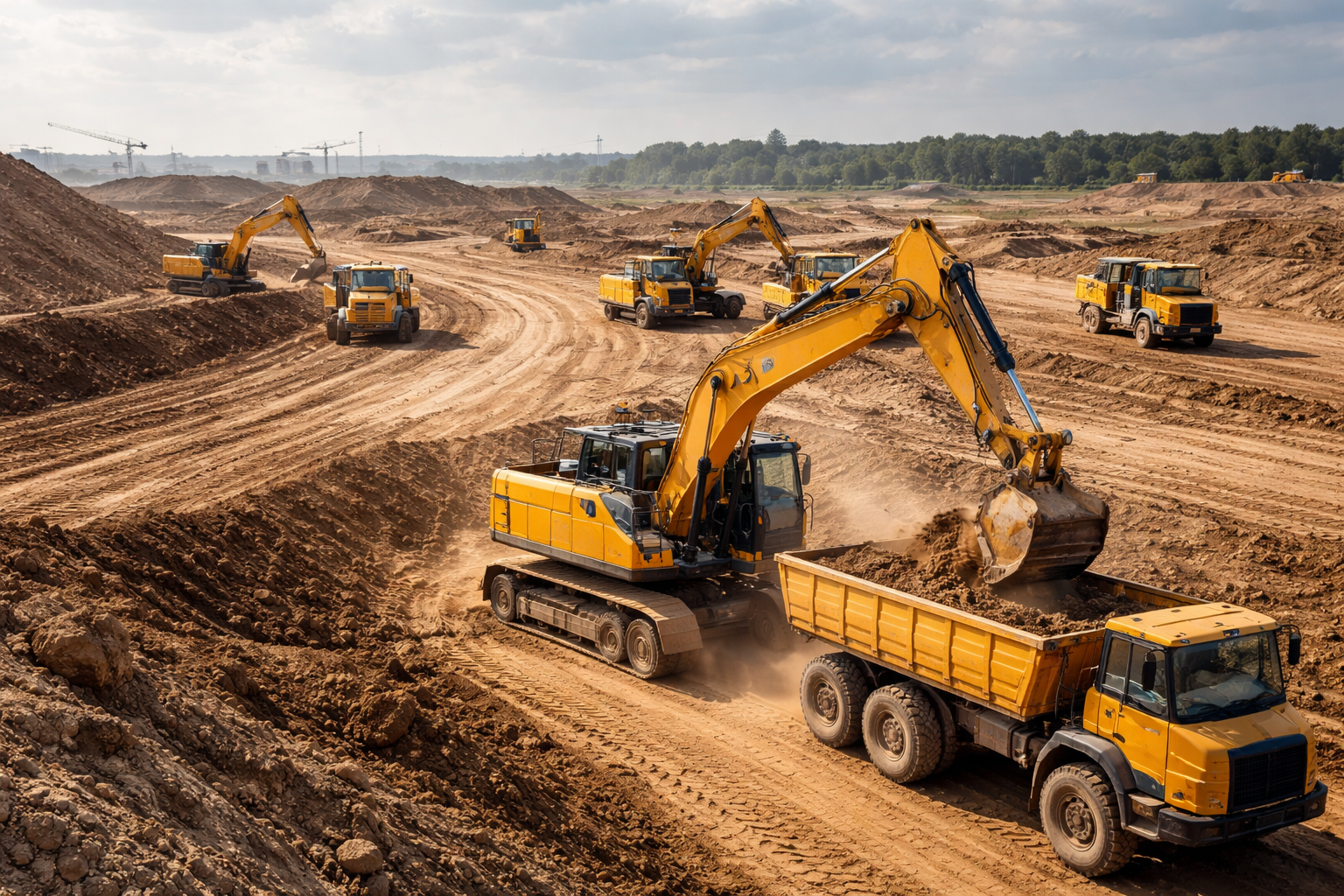
High-value plant remains an obvious target because it is mobile, expensive, and often deployed on sites with temporary boundaries. Compact equipment, attachments, cable, batteries, tools, and fuel all have resale value, while newer machinery may also carry data, access systems, and connected features that create additional vulnerabilities.
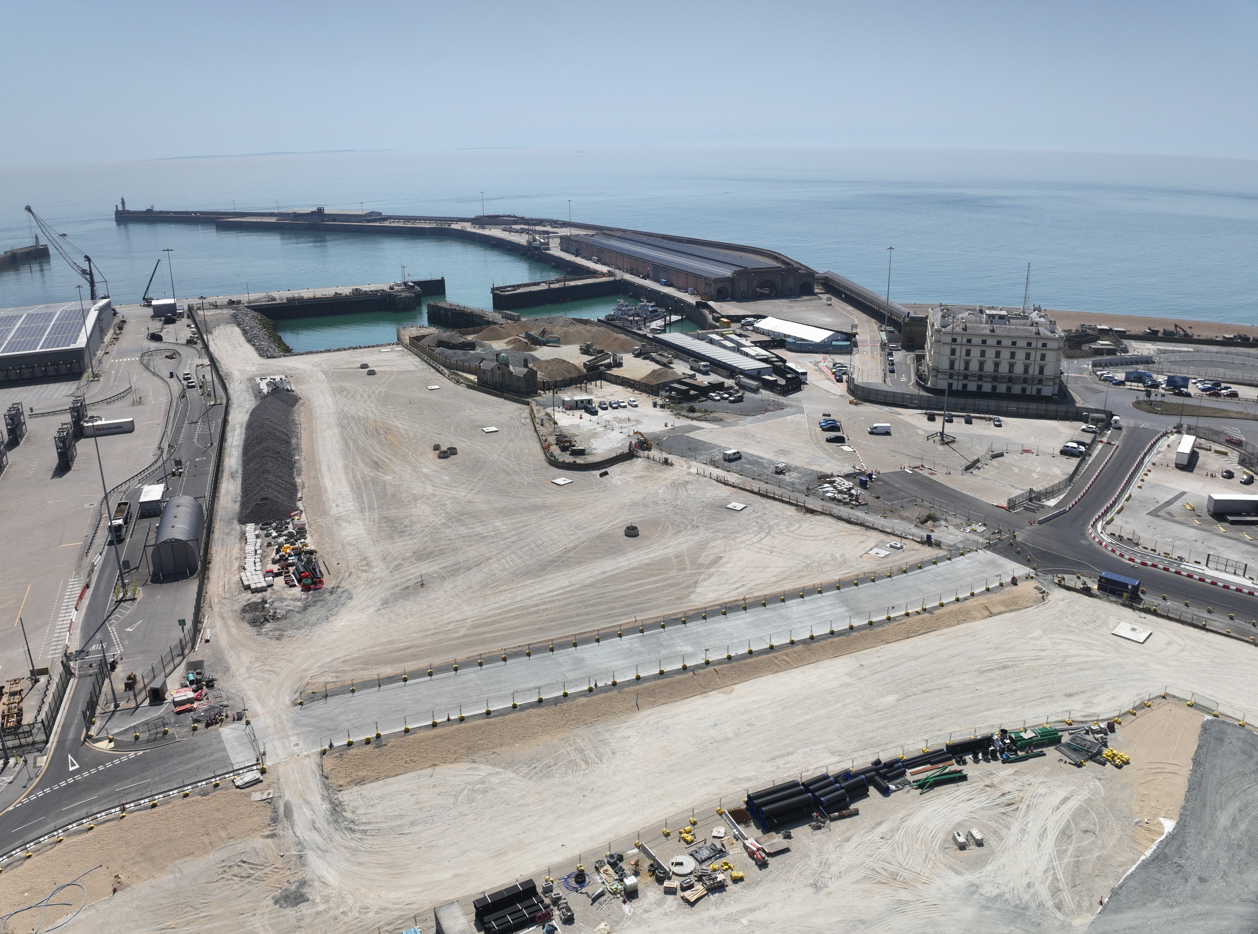
The move toward more remote and distributed construction work increases exposure. Grid, water, road, renewable energy, and flood schemes often operate across open sites, compounds, linear routes, and rural locations. These projects cannot be secured in the same way as a contained urban building site, and their security plans have to account for multiple access points, changing workfaces, temporary storage, night-time exposure, and plant left close to where work will resume.
Site control also carries safety and legal consequences beyond theft. A recent case involving a fatal fall into a flooded excavation highlighted the need for safe access, lighting, barriers, and protection around hazardous conditions. While that case was not a theft incident, it showed how public access, site security, temporary works, and duty of care can overlap.
Effective security now needs to extend beyond locked gates and perimeter fencing. Monitored CCTV towers, lighting, plant immobilisation, GPS tracking, access control, fuel management, digital credential checks, asset marking, delivery verification, and clear end-of-shift procedures all have a role. The strongest approach combines physical, digital, procedural, and behavioural controls.
Hire businesses face a particular exposure because their assets move constantly between customers and sites. A machine may be delivered, used for a short period, parked overnight, moved to another workface, or returned without the same level of fixed-site oversight applied to permanent assets. Telematics can reduce risk, but only when alerts, geofencing, escalation, and recovery processes are actively managed.
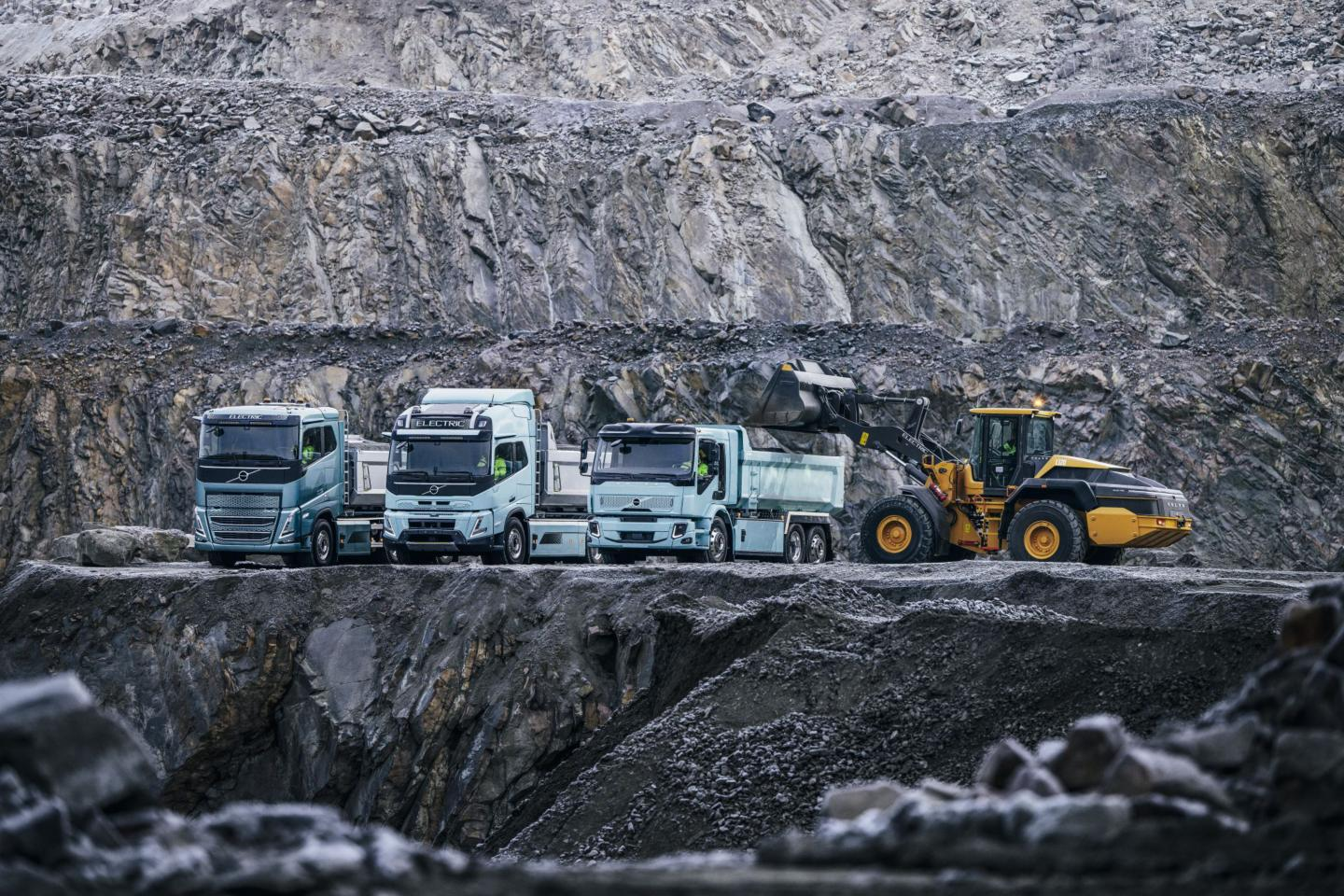
Fleet values are also rising as contractors and hirers invest in safer, cleaner, and more productive machinery. Ashbrook’s £18m JCB fleet order shows the scale of capital now tied up in modern plant. The higher the asset value, the greater the incentive for organised theft and the greater the disruption when equipment disappears.
Digital construction adds another route for criminals. Sites increasingly use connected access systems, project platforms, remote monitoring, digital inductions, QR-coded delivery records, and equipment data. Those systems can improve control, but login credentials, supplier identities, and delivery instructions can also be exploited if procedures are weak.
Insurance pressure is likely to sharpen the response. If theft and site crime continue to rise, insurers may expect stronger evidence of security controls, asset tracking, and incident response. Contractors without credible arrangements could face higher premiums, exclusions, or more difficult claims, while clients may set minimum security standards where delays would carry substantial programme or public-service costs.
Security planning should therefore begin at mobilisation and change as the site layout changes. Plant logistics, storage areas, pedestrian routes, subcontractor movements, weekend shutdown arrangements, deliveries, and temporary compounds all need to be reviewed as part of programme control. Construction crime has always followed value; as plant, materials, and digital site systems become more valuable, site protection has to become more disciplined and better integrated into daily operations.