IN Brief:
- Four approximately 130-year-old bridges at Talbot, Strode, Stracey and Latimer roads are being replaced.
- BAM began preparatory works in September 2026, with new deck installations planned for spring 2027.
- Network Rail expects completion by late summer 2027 and some line closures during the main works.
BAM UK & Ireland has detailed how four Victorian rail bridges on the London Overground Suffragette line will be replaced in east London. Talbot Road, Strode Road, Stracey Road and Latimer Road are crossed by the railway between Leytonstone High Road and Woodgrange Park. Network Rail first announced the renewal in July and construction began in September. BAM’s 26 October update establishes the current works sequence — extending existing supports before removing the old decks in spring 2027 — rather than a new contract award or site mobilisation.
Each bridge is approximately 130 years old, and Network Rail says the assets now require replacement to avoid unplanned disruption as their condition deteriorates. Their location creates a distinct site-management problem: the railway runs over streets in a densely occupied part of London, where local movements, pedestrian access and the needs of businesses must be considered alongside train operations. Replacing four adjacent structures as one programme should allow the project team to manage the sequence coherently, although no contract value or detailed deck design has been disclosed.
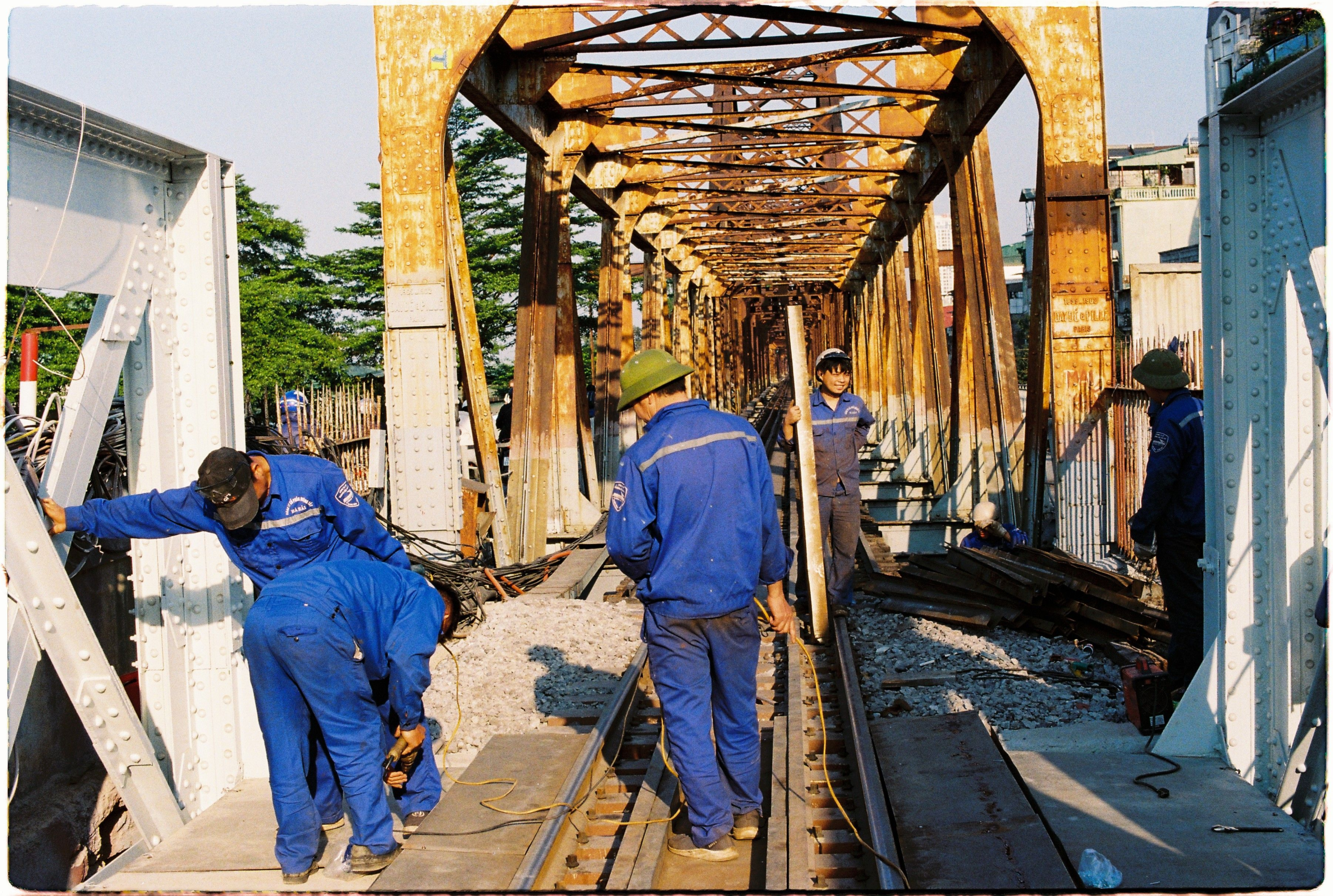
BAM has begun by extending the structures supporting the ends of the existing bridges so they can accommodate replacement decks. That preparatory work affects the load path and final geometry of the crossing: the new spans must sit at the appropriate level and transfer forces safely into their bearings and supporting construction. Extending the supports before deck installation also separates substantial substructure work from the later railway possessions. The contractor has not provided bearing designs, deck materials or lifting specifications, so the disclosed sequence should not be taken as a complete construction method statement.
The old decks are scheduled to be demolished and replaced with new spans in spring 2027. This stage will require a carefully managed interface with the railway and the roads below because the structure to be removed carries an operational transport route. Network Rail has said some weekend closures of the Suffragette line will be necessary during 2027. It has not confirmed all possession dates in the material reviewed, and passengers should rely on the operator’s subsequent travel notices rather than assume uninterrupted service throughout the period.
Network Rail’s earlier programme identified different mobilisation dates for the bridge locations. Talbot Road and Stracey Road works were planned to start on 1 September, followed by Strode Road and Latimer Road on 28 September. Road and pavement closures under each structure were also identified, with additional shorter closures in 2027. These dates concern preparatory access and enabling work, rather than the installation of the new decks. Distinguishing the two phases is essential because most of the intrusive railway engineering remains ahead.
The railway runs above local streets in a compact residential district. Site boundaries, delivery routes, waste removal and safe access for residents have to be organised while work continues on different bridges and trains operate beyond planned closures. Any heavy lifting and deck demolition will need to be coordinated with the rail and highway authorities, but neither the lift plant nor the removal sequence has been published. BAM and Network Rail say they are working with residents and businesses on planned disruption rather than claiming that the replacements can proceed without interruption.
Network Rail identifies age and long-term reliability as the reasons for replacement. The structures are about 130 years old, and the company says their condition is monitored while they remain operational. The new bridges are expected to serve the line until around 2150. That expectation concerns the intended longevity of the renewed structures, not an exemption from inspections, maintenance of bearings and drainage, or future changes to the track and supporting assets.
The project also involves an extensive community interface. Network Rail wrote to residents and businesses before work began and arranged drop-in sessions in August, while BAM says the delivery team is maintaining contact with the surrounding neighbourhood. Changes to streets below the railway can affect access to properties even when trains continue running. The programme therefore has two dimensions of disruption to manage: planned railway possessions for high-risk engineering work and longer-term restrictions at road level during the construction period.
BAM’s transport division describes its role as replacing all four structures as part of a single renewal effort. The contractor has not announced a revised completion date in its October update. Installation of the new decks remains expected in spring 2027, with the overall project due to be completed by late summer of that year. Those milestones leave substantial preparatory activity before the principal bridge changes, including the support extensions that make the new deck geometry possible.
The October contractor update leaves the published programme dates intact: support alterations precede demolition and replacement of the four decks in spring 2027, with the overall works scheduled to finish by late summer. Weekend railway closures are expected during the main engineering phase, alongside restrictions to some roads and pavements beneath the bridges. Network Rail has yet to announce the full possession programme. Detailed closure notices and evidence of completed support works will mark the project’s next delivery milestones.