IN Brief:
- Casella reports that the Vortex 3E maintains sampling flow within 5% during measurements.
- The redesigned pump incorporates temperature and pressure compensation and a brushless motor.
- An IP65-rated enclosure protects the equipment against dust and water ingress.
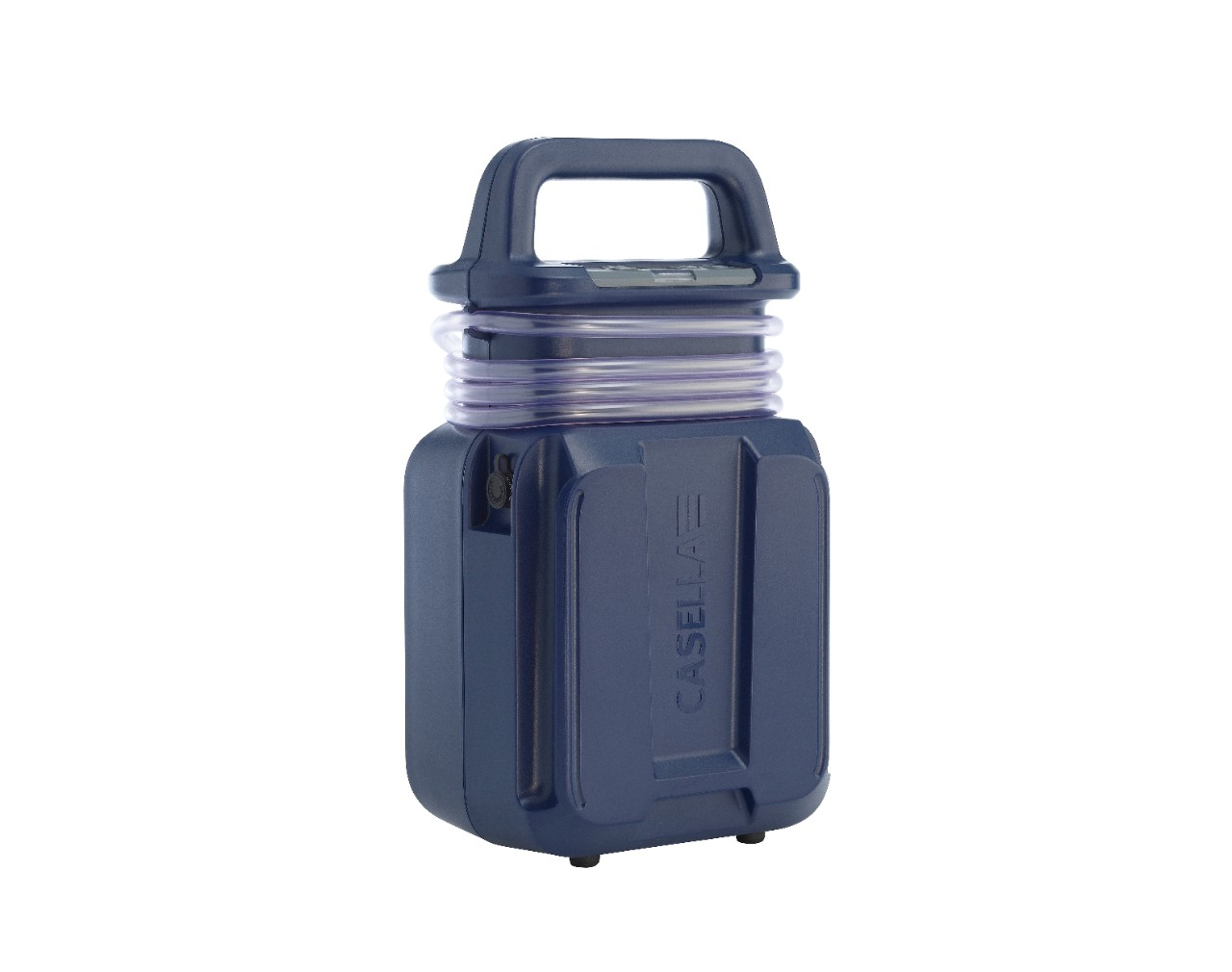
Occupational hygiene instrumentation specialist Casella has introduced the Vortex 3E high-flow air sampling pump, incorporating revised flow control, environmental compensation, and motor technology to improve sample collection during asbestos removal, building refurbishment, and other activities involving airborne contaminants.
The equipment replaces the manufacturer’s existing Vortex 3 model. Casella reports that its redesigned flow control system maintains sampling flow within 5% during measurements, reducing the variations that can affect the volume of air collected for subsequent analysis.
High-flow sampling pumps draw air through collection media selected according to the contaminant being investigated. The collected material can subsequently be examined using an appropriate analytical method to determine the concentration of airborne contamination within the sampled environment.
The reliability of that calculation depends partly on establishing the volume of air that has passed through the collection medium. Changes in sampling flow during a measurement can introduce uncertainty into the relationship between the quantity of material collected and the volume of air sampled.
Maintaining a consistent flow becomes more demanding as material accumulates on a collection filter and increases its resistance to airflow. The sampling pump must compensate for changes in that resistance to maintain the required flow within its operating limits.
Temperature and atmospheric pressure variations can also affect sampling conditions, particularly where measurements are undertaken across different buildings or external environments.
The Vortex 3E incorporates temperature and pressure compensation alongside its revised flow control system, improving the manufacturer’s ability to maintain consistent sampling performance under changing conditions.
Reducing flow variations can lower the likelihood of measurements having to be repeated because the sampling equipment has failed to maintain the required operating conditions. On construction projects, those interruptions can affect access to working areas and the progression of subsequent activities.
Asbestos clearance provides a particularly important example of the relationship between air sampling and construction sequencing.
Britain’s Health and Safety Executive (HSE) requires accredited independent analytical organisations to undertake a formal clearance assessment following licensed asbestos removal.
Where applicable, the four-stage clearance process encompasses preliminary assessment, detailed visual inspection, air monitoring, and final assessment following dismantling of the enclosure.
Air sampling equipment forms part of the instrumentation required to assess airborne fibre concentrations. The pump’s flow stability contributes to the integrity of the sample, although the reliability of the completed assessment also depends on calibration, sampling procedures, laboratory analysis, and the competence of the analytical organisation.
The equipment cannot independently determine whether asbestos removal has been completed satisfactorily. That decision requires assessment against the full range of applicable clearance criteria.
HSE’s recently amended asbestos regulations will strengthen the independence of analysts responsible for certifying completed licensed removal work. The substantive new appointment requirement takes effect on 25 November 2027, requiring construction clients and contractors to review existing arrangements for procuring clearance services.
Casella has designed the Vortex 3E for area sampling applications, including asbestos, mould, and other airborne contaminants. These measurements differ from personal exposure monitoring, where sampling equipment is positioned to collect air representative of the conditions experienced by an individual worker.
The purpose of the assessment determines the appropriate sampling method. Equipment selection must account for the contaminant being investigated, the required sample volume, the collection medium, and the operating conditions under which the measurement will be undertaken.
The redesigned pump also incorporates a brushless motor, replacing an arrangement in which electrical contact through mechanical brushes creates components subject to progressive wear.
Casella attributes improved energy efficiency to the revised motor, allowing it to introduce a smaller and lighter battery while increasing available operating time. The company has not quantified the additional runtime within its initial product information.
Reducing equipment weight can make instrumentation easier to transport between working areas, particularly during refurbishment programmes involving several floors or restricted access routes.
The equipment retains an IP65-rated enclosure, providing protection against dust ingress and water jets under the specified test conditions. Its interlocking housing allows several pumps to be secured together, supporting deployment and transport where multiple sampling locations are required.
Phil Bradley, managing director of Casella, said: “With the Vortex 3E, we have taken that capability further. It gives users additional confidence that their samples are collected accurately and consistently, while delivering an even more efficient, durable and practical pump for demanding environments.”
The development extends Casella’s existing air sampling portfolio through changes intended to reduce equipment maintenance requirements and improve measurement consistency. Within construction-related occupational monitoring, those improvements can support the collection of reliable samples without altering the analytical and statutory requirements governing how the results are interpreted.