IN Brief:
- The Complex Bridges division was launched at Bridges Scotland in Glasgow on 24 November.
- Its services cover structural assessment, specialist repairs, and refurbishment of existing bridge assets.
- Beaver's established project portfolio includes inspection of the Forth Road Bridge's main suspension cables.
Beaver Bridges has established a specialist Complex Bridges division to undertake inspection, repair, and refurbishment of major infrastructure assets across Britain and international markets, extending its existing bridge engineering and construction operations.
The contractor introduced the division at the Bridges Scotland exhibition in Glasgow on 24 November, concentrating specialist resources around projects where structural condition, existing engineering arrangements, and operational restrictions create demanding refurbishment requirements.
Its services encompass inspection, structural assessment, investigation, and physical repairs, building on Beaver’s established capabilities in bridge design, fabrication, installation, and maintenance.
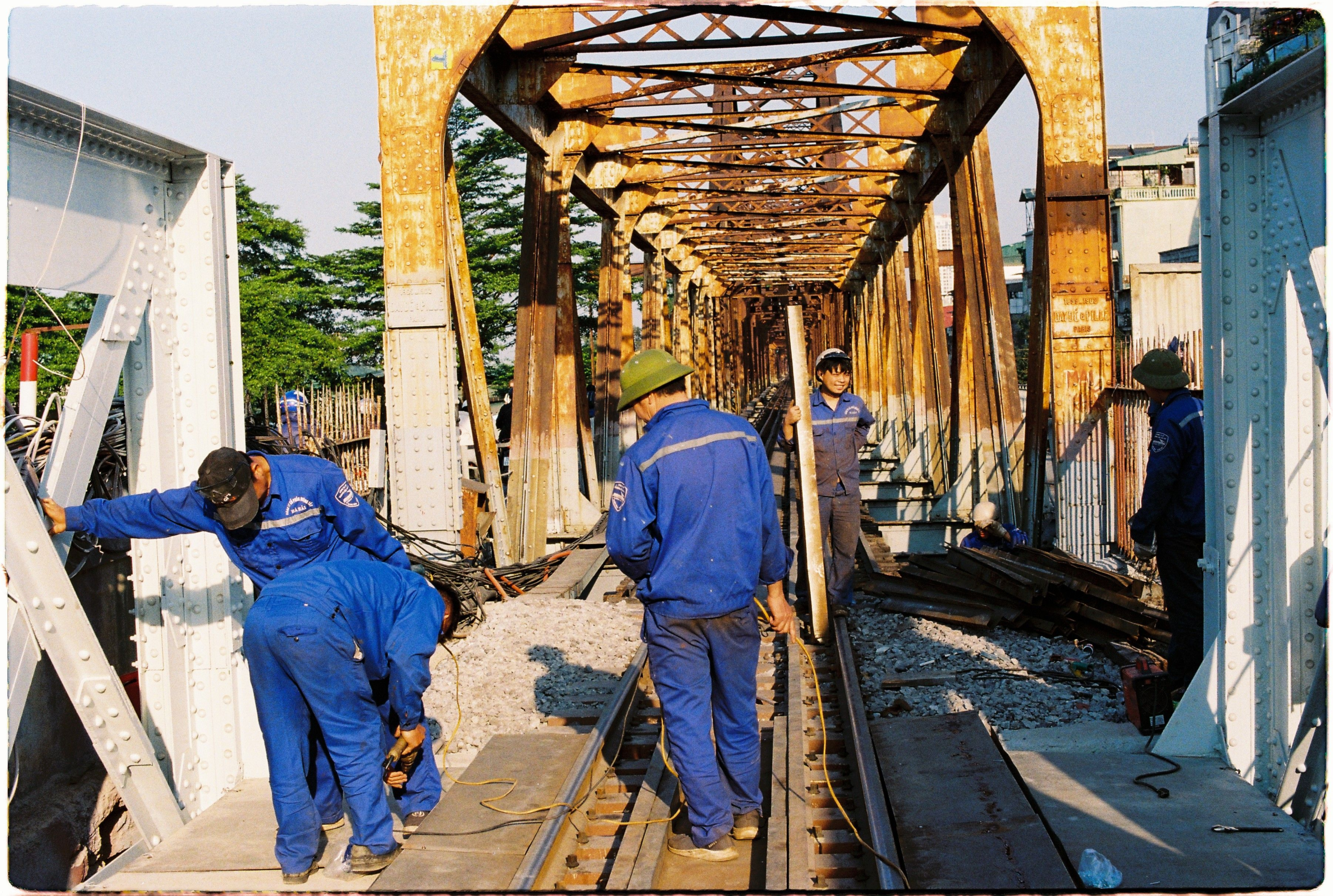
The company’s existing refurbishment operations undertake steelwork repairs, deck replacement, joint sealing, bearing repairs, and the replacement of deteriorating timber or composite components.
Its inspection portfolio includes work on the main suspension cables of the Forth Road Bridge, for which Beaver secured a contract supporting BEAR Scotland and Transport Scotland in 2025.
Assessing suspension bridge cables requires consideration of the condition of components that may be difficult to inspect through conventional visual surveys. The external condition of protective materials does not necessarily establish the condition of individual wires within a cable, while the distribution of corrosion or other deterioration can influence the remaining capacity of the structural system.
Investigations must therefore be designed around the characteristics of the individual structure, with inspection findings informing assessments of whether continued operation, additional monitoring, repairs, or more extensive interventions are required.
The availability of reliable construction information also influences those assessments. Original drawings may establish the intended structural arrangement, but subsequent alterations, maintenance activities, deterioration, and changes in operational loading can affect the assumptions applicable to the existing asset.
Structural bearings present another important consideration within bridge refurbishment programmes. Positioned between the superstructure and its supporting piers or abutments, bearings transfer forces while accommodating movements generated by temperature changes, structural deformation, and other loading conditions.
Where deterioration restricts that movement, forces can be redistributed into adjoining components that were not originally intended to accommodate them.
Replacing bearings may require temporary support arrangements capable of carrying the superstructure while existing components are removed. Engineers must assess the behaviour of the bridge during those intermediate stages as well as the final condition following installation of the replacement bearings.
Similar considerations arise when deteriorating steelwork or structural connections require replacement. The removal of an existing component can change how forces are transmitted through the structure, requiring temporary reinforcement or alternative load paths to maintain stability during construction.
Protective coating replacement also creates requirements extending beyond the application of new materials. Existing finishes must be removed sufficiently to establish the underlying condition of the steelwork, with identified defects addressed before replacement protection is applied.
Where bridges cross rivers, roads, or railways, access and containment arrangements can account for a substantial element of the refurbishment programme. Those arrangements must accommodate construction equipment, inspection personnel, and materials while limiting disruption to the infrastructure beneath or around the bridge.
The engineering requirements become more complex where structures incorporate moving mechanical components. Britain retains several historic bridges whose operating arrangements combine conventional structural systems with specialist lifting, rotation, or suspension mechanisms.
Earlier this month, BAM UK & Ireland was appointed to undertake further engineering investigations into the restoration of the Tees Transporter Bridge, which has been closed since 2019.
Its unusual moving gondola arrangement requires assessment of both the supporting steel structure and the systems responsible for transporting loads across the river.
Projects involving such assets require inspection findings to be translated into construction proposals that account for the practical constraints of working on existing infrastructure.
Infrastructure owners must also assess the extent to which refurbishment can extend an asset’s remaining service life relative to the costs and disruption associated with replacement.
Retaining suitable structural components can reduce demand for new materials, preserve established transport connections, and limit the extent of associated civil engineering work. The achievable service life depends on the condition of the retained elements and the effectiveness of the proposed interventions.
Where repairs require closures or railway possessions, the available construction period can influence the selection of materials, equipment, and installation methods. Offsite preparation and the fabrication of replacement components can help concentrate physical construction into the periods during which access is available.
Beaver’s dedicated division brings inspection and refurbishment activities together within an engineering operation focused on those more demanding assets. No individual contract awards were identified alongside the launch, although the company’s existing bridge maintenance portfolio provides an established foundation for the new operation.