IN Brief:
- Ritchie Bros. reports a 10% year-on-year reduction in median wheel-loader auction prices to €20,284 in Q3 2026.
- Median skid-steer and diesel-forklift prices declined 8% and 20%, respectively, in the company's European auction data.
- Changes in the age, hours, condition, and mix of machines sold limit any inference about identical asset values.
European auction prices for several construction and lifting equipment categories declined during the third quarter of 2026, according to new figures from Ritchie Bros. The company’s market report records lower median sale prices for wheel loaders, skid steer loaders, and diesel forklifts, while agricultural machinery followed a different direction.
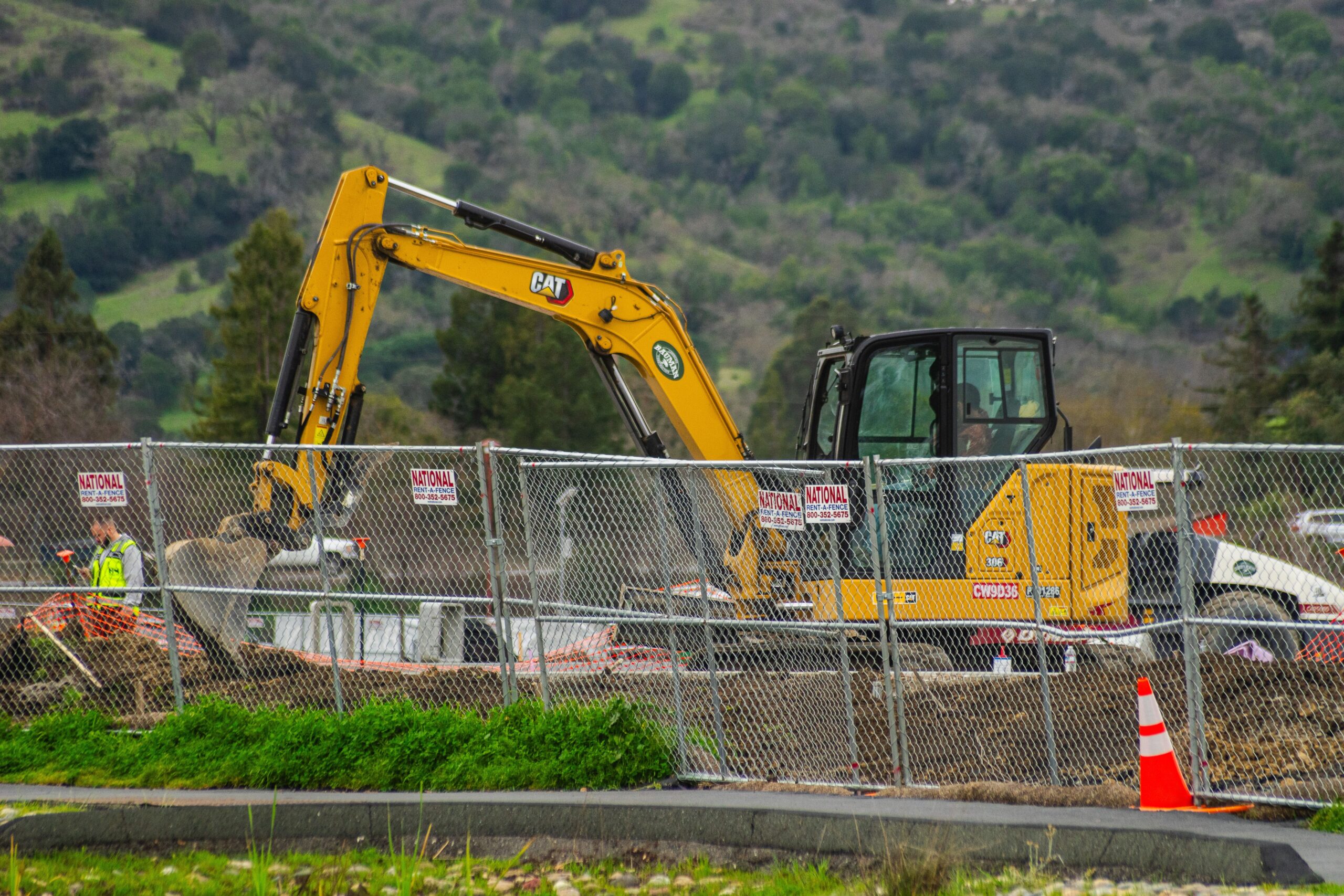
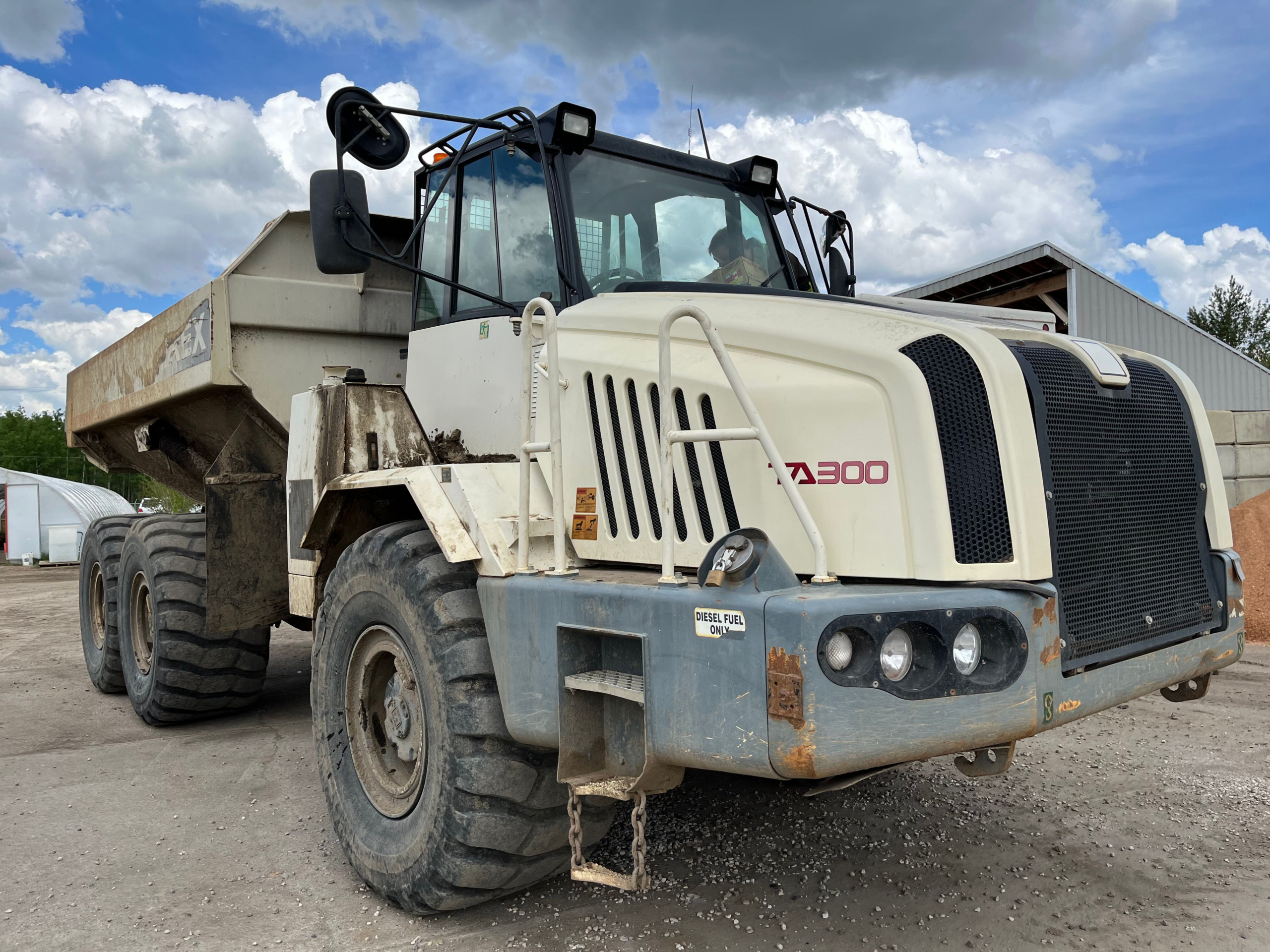
The median wheel-loader auction price fell 10% year on year to €20,284. Ritchie Bros. also recorded a 4% reduction in the number of wheel loaders sold through its auctions, despite the machines changing hands having more than 20% fewer operating hours than in the comparable 2025 period. Lower median hours alongside lower median prices highlight the limits of using a single number to describe the condition and value of an entire used machinery market.
Skid steer loaders returned a median price of €11,490, down 8%, while diesel forklifts recorded a 20% fall to €4,746. These are sales medians in the company’s auction data, not a controlled valuation of the same models with identical service histories. Changes in equipment age, specification, location, attachments, and the balance of machinery offered can all influence a quarterly median.
Agricultural machinery moved in the opposite direction in the same auction dataset. Tractor auction volumes grew 71% from Q3 2025 and their median price increased 2% to €36,035. Ritchie Bros. says the tractors sold were also younger, with median age dropping from eleven years to nine. Combine harvester volumes rose by more than 200% and their median price increased by almost 90% to €106,927, accompanied by a significant shift towards younger and less-used equipment.
The contrasting agricultural figures illustrate the influence of the machines actually offered for sale, rather than establishing a wider recovery in equipment demand. A younger loader with lower hours may still command a different price from an older machine depending on capacity, tyres, attachments, emissions equipment, refurbishment, and maintenance records. The reported wheel-loader figures show that even an improvement in one attribute of the auction population does not guarantee a higher aggregate price.
Operating hours are an important part of a buyer’s appraisal because they provide one indication of accumulated work, but the figure is incomplete without the maintenance and duty-cycle record. Heavy loading, abrasive environments, short operating cycles, and extended idle periods affect components differently. A documented service history and evidence of major repairs can therefore influence the price of two nominally similar machines more than the simple difference between their hour-meter readings.
Construction equipment also needs to be evaluated against the work it will perform after purchase. A used loader’s lifting capacity, reach, turning dimensions, powertrain, and compatibility with required attachments determine whether it can perform a proposed task. Buyers may have to account for additional expenditure on tyres, hydraulic systems, inspections, or transport before a machine is ready to be deployed. The auction price is the acquisition cost, not the total cost of making the asset productive.
Almost 45% of skid steer loaders sold during the quarter went to buyers in another European country, according to Ritchie Bros. More than 40% of tractors were also purchased across borders. Such movements widen the pool of potential purchasers but introduce practical considerations around collection, haulage, machine documentation, applicable rules, and after-sales support.
The geographical spread of buyers complicates any attempt to infer conditions in one national construction sector from the European figures. Demand for a particular machine can vary with local project programmes and the availability of alternative stock. Equipment may travel from a market with subdued construction activity to one where the required specification is less readily available. The published report does not provide a UK-only price series or prove that UK resale prices fell by the same percentages.
For machinery purchased without a local inspection, condition reports and documentary evidence can narrow the gap between the advertised specification and the asset actually delivered. Inspection records, clear photographs, hours, serial numbers, and maintenance evidence help reduce uncertainty before bids are placed. They cannot eliminate the possibility of later repairs, but make it easier to distinguish an apparently low price from a genuinely competitive acquisition.
Applying a quarterly auction median to an individual machine risks concealing the effects of specification, remaining useful life, and condition. A well-maintained, appropriately specified machine may sell differently from the overall category, and a small sample of unusual items can distort comparison between periods. The company has not disclosed a model-level, like-for-like adjustment in the material reviewed for this report.
The reported third-quarter declines apply to the median prices of machines sold through Ritchie Bros. auctions, not to an independently adjusted European resale index. Comparisons with subsequent quarters will need to account for changes in model mix, working hours, and condition before identifying a sustained price trend.