IN Brief:
- Liverpool Baltic has a revised estimated scheme cost of £160m, compared with £96.4m approved in 2024.
- The budget separates station construction, Network Rail allowances, utility work, highways changes and contingency.
- The combined authority is due to consider the full business case on 6 November before construction begins.
Liverpool City Region Combined Authority is considering a revised £160m budget for Liverpool Baltic station, £63.6m above the £96.4m provision approved in 2024. Its full business case and authority to proceed to implementation are due before the combined authority on 6 November. The revised estimate covers the station and associated infrastructure and risk allowances, with a decision on the proposed investment still to be made.
The planned station would be built on the Merseyrail Northern Line between Liverpool Central and Brunswick, returning rail access to the former St James station site beside the Baltic Triangle. Planning permission was granted in April 2025, but securing consent for the design did not settle its final budget or give unconditional authority to begin the main works. The 6 November decision will address the investment case and the next delivery stage, with construction presently expected to begin in 2027 if the necessary approvals are secured.
The revised £160m estimate comprises £98m for the station, £28.8m for Network Rail risk and fees, £6.4m for consultancy, planning and utility diversions, £11.1m for risk and contingency, and £15.7m for associated highway works. The sum of those allowances is the proposed programme budget. The different elements also show where construction cost extends beyond platforms and buildings into rail interfaces, the surrounding road network and access needed to deliver the scheme.
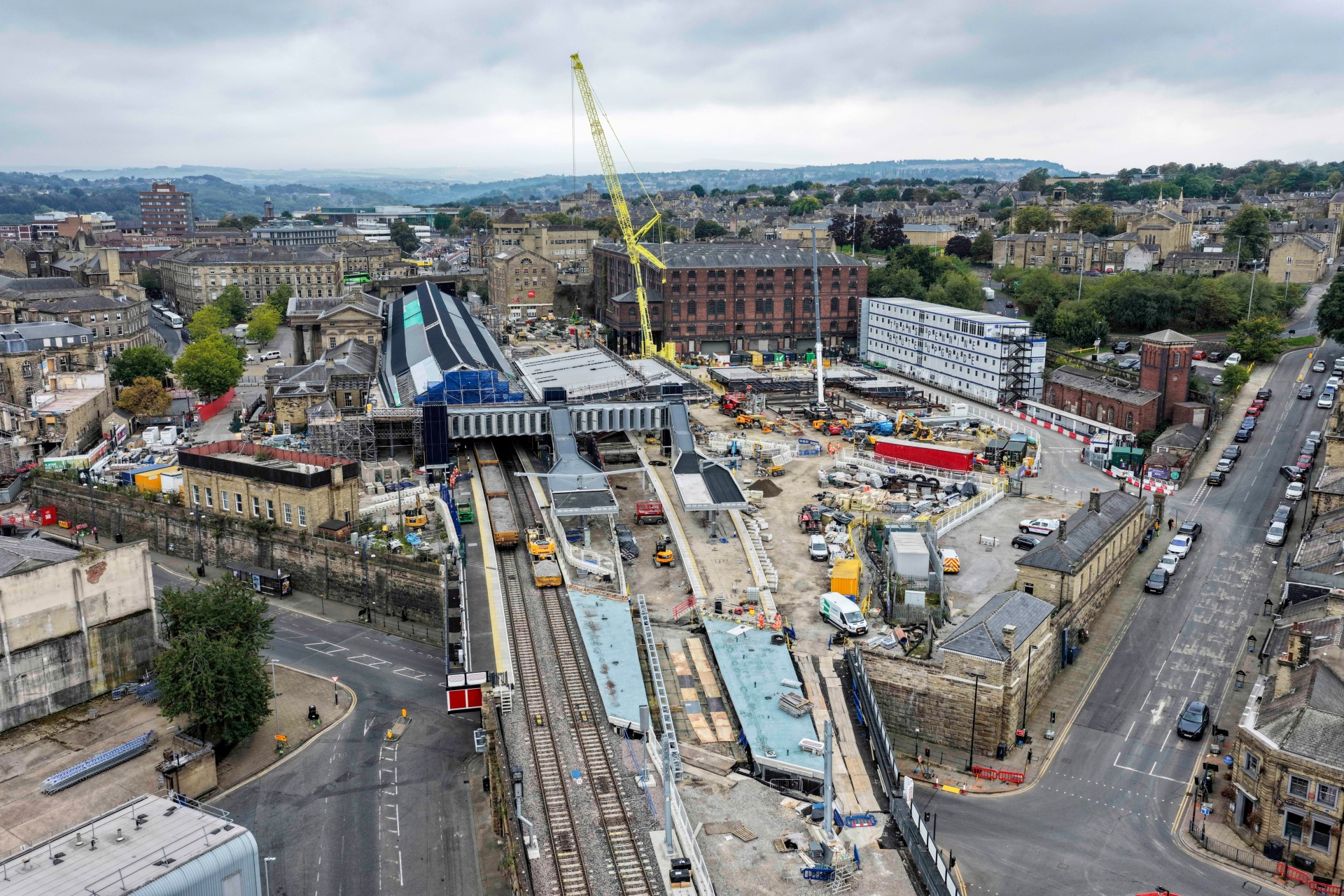
Design development has increased the estimated cost as the project team resolves the railway’s physical constraints, accessibility requirements and connections to surrounding streets. The location is a deep cutting rather than a level, cleared construction plot. Mott MacDonald, which has worked on the station design, describes a cutting around 12 metres deep with exposed sandstone near the base, masonry retaining walls above, tunnels and overbridges within the site, and buried remains associated with the former station. The operational railway runs immediately alongside the area where the new facilities would be constructed.
The confined alignment determines how construction activity could be organised. Platforms and a route from street level must fit beside an operating railway in a cutting approximately 12 metres deep, with structural support, lifts and stairways coordinated around retained walls and bridges. Excavation and foundation work will have to take account of sandstone, historic masonry and buried remains. The design team has examined off-site construction to limit the time and space required for work within the railway corridor, although detailed installation methods remain part of the delivery planning.
Step-free access from the street to trains is a core requirement of the station design. Proposed facilities include accessible passenger toilets, waiting accommodation, secure monitored cycle parking and links to improved walking and cycling routes. Lifts, stairs, platform access and circulation areas have to be planned as an integrated route rather than treated as items added after the main station structure has been designed. Providing these facilities in a narrow cutting also affects how much room is available for plant, services, construction access and safe passenger movement.
Street-level connections form a separate but closely linked part of the work. The £15.7m highways allowance supports alterations around the Baltic Triangle, while utility diversions affect both the final public realm layout and the temporary arrangements used by contractors. Heavy deliveries, construction access, pedestrian routes and rail possessions will have to be sequenced so works in the street do not block the limited access to the station site. The revised business case brings the highway and rail elements within one overall funding decision.
Network Rail’s £28.8m provision covers risk and fees associated with delivering work beside an operating railway. Engineering approval, site protection, access windows and possession planning can affect the order in which contractors install structures, access facilities and railway interfaces. An additional £11.1m of contingency is included at programme level, recognising that detailed risk allowances sit alongside the construction estimate. The two budget lines have different purposes and are identified separately in the proposed £160m total.
Liverpool Baltic is the most advanced of four proposed new stations within the Liverpool City Region’s Merseyrail for All programme. Development work is continuing for Carr Mill in St Helens, Daresbury in Halton and Woodchurch on the Wirral, with their own feasibility and business case stages. Their progress does not alter the need for a separate approval on the Baltic project, which has advanced further through planning and design and is now approaching its implementation decision.
The combined authority is due to consider the station’s full business case on 6 November. Approval would enable the project team to move into implementation with the station, railway interfaces, highway changes and risk provisions covered by the revised £160m envelope. Construction is expected to start in 2027, subject to the remaining approvals and delivery arrangements. Liverpool Baltic would then become the first of the four proposed new stations to advance from detailed design towards main construction.