IN Brief:
- Thomas Alexander Homes will introduce Octopus Zero Bills at qualifying future residential developments in Yorkshire.
- Accreditation requires suitable building fabric performance, heat pumps, solar photovoltaic generation, battery storage and connected energy controls.
- Eligible residents receive a five- or ten-year tariff guarantee, subject to property-specific fair-use allowances and separate electric vehicle charging charges.
Thomas Alexander Homes has partnered with Octopus Energy to introduce the supplier’s Zero Bills tariff at qualifying residential developments across Yorkshire. The arrangement will combine energy-efficient building fabric with heat pumps, solar photovoltaic panels, battery storage and connected energy controls, enabling eligible residents to access a five- or ten-year home energy tariff guarantee.
The partnership extends the housebuilder’s existing approach to gas-free residential construction. Thomas Alexander Homes already incorporates air source heat pumps and electric vehicle charging facilities into its developments, with the Zero Bills programme adding requirements for on-site electricity generation, storage and integrated energy management.
Octopus introduced Zero Bills in 2022 and has since worked with developers to establish homes capable of generating and managing much of their own electricity. Properties must meet the supplier’s technical requirements before receiving accreditation, with the guarantee length determined by the agreement applying to the individual development.
For Thomas Alexander Homes, accreditation will be considered at qualifying future developments rather than applying automatically to every property in its portfolio. Octopus assesses individual house types and plots against their expected energy demand, building characteristics and proposed equipment, allowing the developer to identify any changes needed to meet the programme’s conditions.
Building fabric performance is a central part of that assessment because it influences the electricity required for heating. Insulation within walls, roofs and floors reduces heat transfer, while glazing, airtightness and the treatment of junctions determine how effectively the completed envelope retains warmth.
Lower heat demand allows the heating equipment to operate with less electrical input over the course of a year. The actual consumption depends on the thermal characteristics of the property, outdoor conditions, occupants’ heating preferences and the efficiency of the installed system.
Air source heat pumps transfer energy from the outdoor air into a home’s heating and hot water systems. Their performance depends on the temperatures at which they operate and the heating requirements of the property, making the relationship between building fabric, heat distribution and equipment selection important to the design.
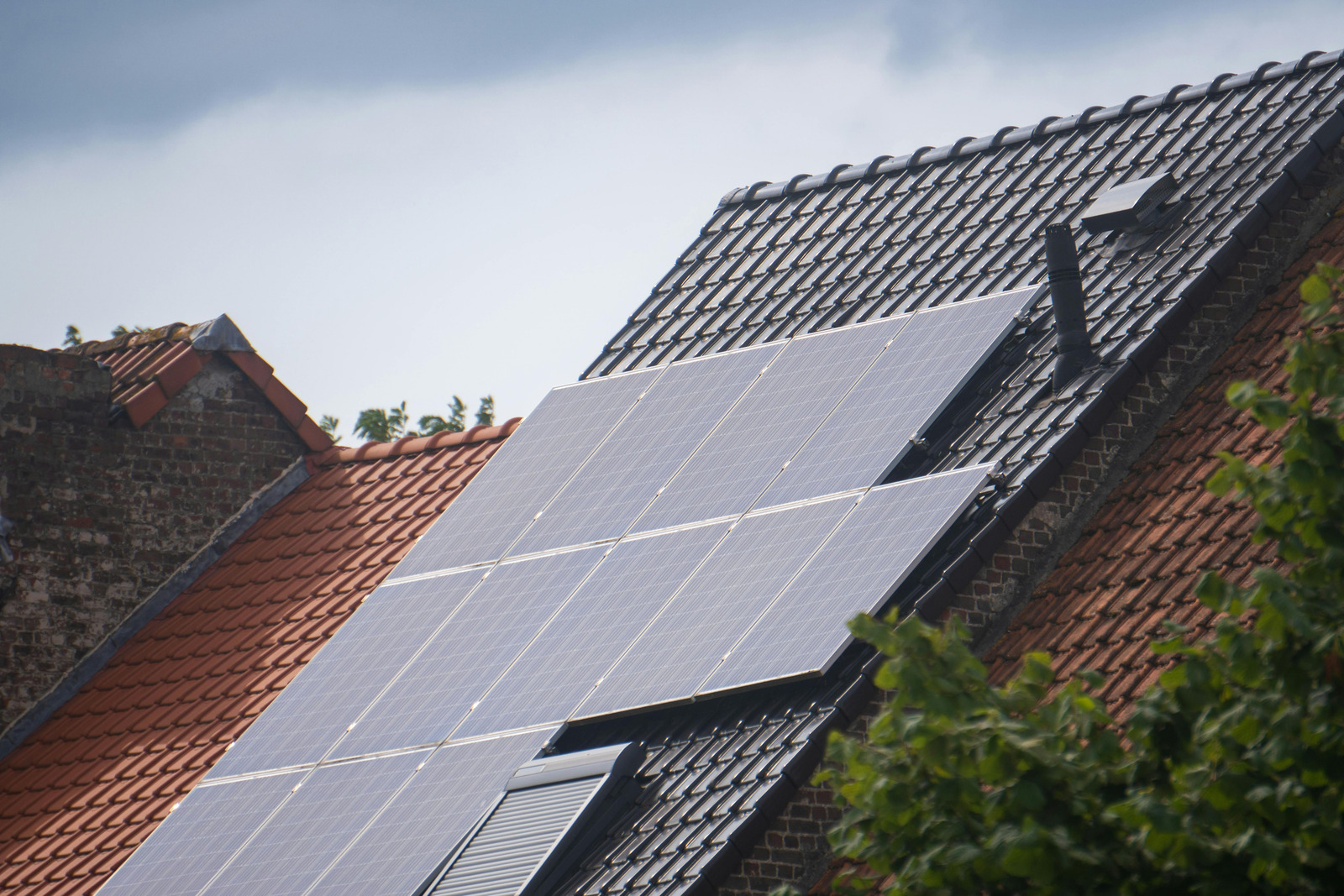
The Zero Bills specification also requires photovoltaic panels capable of generating electricity at the property. Their output varies with sunlight, roof orientation and the size of the installation, while household consumption changes throughout the day and between seasons.
Solar generation can supply electricity while the panels are producing power, but household demand does not always coincide with those periods. Battery storage allows some of the generated energy to be retained for later use, reducing the need to import electricity at certain times.
Octopus coordinates the home’s energy equipment through its technology platform, which can manage the operation of approved connected devices. Battery charging and discharging, heat pump operation and electricity exchange with the grid form part of the wider arrangements supporting the tariff.
Those systems require the developer to coordinate electrical design with the building’s construction. Suitable locations must be provided for the battery, inverter, heat pump components, metering and associated controls, while the roof structure and layout must accommodate the photovoltaic installation.
Electrical distribution and protection equipment must also be appropriate for the installed technologies. Connections between the panels, inverter, battery, household circuits and electricity supply need to be designed and installed as a complete system, with the arrangement tested before the property is occupied.
Equipment positioning affects later access for maintenance and replacement. External heat pump units require suitable locations, while batteries and other electrical equipment need accommodation consistent with their technical requirements. The completed installations must also be compatible with the communications and control arrangements used by Octopus.
During the development process, Octopus can assess the proposed house types and identify the minimum equipment specification required for accreditation. The assessment takes account of the home’s expected electricity consumption and its ability to generate and manage sufficient energy under the programme.
Different plots within a development may have different solar generation potential because their roof areas, orientations and surrounding conditions vary. The accreditation process therefore examines the characteristics of the individual homes rather than assuming that one equipment arrangement will suit every property.
Changes identified during assessment can affect the selection of solar panels, batteries or heating equipment, as well as the thermal specification of the building. These decisions are most readily incorporated while the house design and construction documentation are being developed, before equipment positions and electrical routes have been fixed.
Commissioning connects the completed construction work with the tariff arrangements. The heat pump, solar system, battery and metering equipment must be installed and operating correctly, with the relevant devices connected to the required controls before the resident can activate Zero Bills.
Residents must occupy an approved property and sign up with Octopus Energy. The company currently provides five- or ten-year guarantees depending on the agreement with the developer, with the guaranteed period for a new home beginning from first occupation under the applicable terms.
Each property has an annual fair-use allowance based on its expected electricity requirements. Octopus generally sets that allowance at approximately twice the projected annual consumption, with additional imported electricity charged under the relevant tariff if the allowance is exceeded.
Electric vehicle charging sits outside the standard Zero Bills home energy allowance and is billed separately. Residents must also maintain the approved equipment and connectivity required for the tariff, with the supplier’s terms governing how hardware faults or sustained non-compliance are handled.
The tariff arrangement consequently depends on both the installed construction specification and the continued operation of the home’s energy systems. Solar generation, battery capacity and heating performance must remain compatible with the assumptions used in accreditation, while residents retain responsibility for the conditions established in their agreement.
Thomas Alexander Homes managing director Alex Blease identified household running costs and the long-term performance of new properties as priorities for the partnership. Octopus Energy Zero Bills director Nigel Banks also linked the collaboration to extending the programme across Yorkshire’s new housing market.
The developer has not allocated a confirmed number of homes to the programme, with qualifying properties to be identified as future developments progress. Their individual specifications will determine which plots receive accreditation and the guarantee period applicable to each home.
The partnership introduces another stage into Thomas Alexander Homes’ existing gas-free development process, connecting the design of the building envelope and services with on-site electricity generation, battery storage and an approved energy tariff. The first qualifying homes will require those systems to be installed and commissioned together before residents can activate the guarantee.