IN Brief:
- Morro Partnerships increased annual revenue from £99.5m to £127.7m and pre-tax profit from £4.1m to £4.5m.
- The developer has approximately 1,800 plots on site and controls a further 2,100 across the Midlands.
- Its £500m-plus development pipeline includes affordable housing and brownfield regeneration, supported by an in-house timber-frame manufacturing facility.
Morro Partnerships has increased annual turnover by 28% to £127.7m, reflecting growth in its affordable housing and regeneration operations across the East and West Midlands. Pre-tax profit rose from £4.1m to £4.5m during the financial year ending 31 March 2026, while net assets increased to £18.2m.
Revenue rose from £99.5m in the preceding year as the Cannock-based developer progressed partnership housing schemes and expanded its development pipeline. The business has approximately 1,800 plots on site and controls a further 2,100 plots, predominantly on brownfield land in areas identified as strategic development priorities.
Morro works with local authorities, combined authorities, Homes England, housing associations, registered providers and private investors. These relationships support projects involving affordable housing, mixed-tenure residential developments and the reuse of previously developed sites, with the commercial and construction arrangements varying according to each scheme.
The company reports a project pipeline exceeding £500m and is working towards the delivery of 2,500 homes across the Midlands. The pipeline comprises development opportunities at different stages, including plots already under construction and land requiring further planning, investment or site preparation before building can proceed.
That distinction affects how the company’s workload is translated into construction activity. Homes on active sites contribute to current demand for labour, materials and subcontractors, while controlled land must progress through the necessary approvals and technical assessments before it can support a building programme.
Morro’s activities include a development of nearly 300 homes on the former Yardley Sewage Works site in Birmingham. The project forms part of its approach to residential regeneration, bringing previously used land into housing development alongside the infrastructure needed to support occupation.
The physical condition of brownfield land can influence construction cost and programme. Former buildings, buried services, altered ground conditions and contamination associated with earlier activities may require investigation before the foundation design and development layout can be finalised.
Where remediation is required, its sequence must be coordinated with groundworks and infrastructure installation. Land preparation establishes the conditions for building foundations, drainage and utility connections, while access roads and service corridors must be positioned to accommodate the planned housing plots.
These preparatory activities are particularly relevant to a developer with substantial brownfield holdings. Individual sites can require different engineering solutions, even where the eventual houses share common layouts and construction systems. The programme for each development consequently depends on both site-specific enabling works and the production and assembly of the homes themselves.
Morro has invested in timber-frame manufacturing through its Innovation Hub, allowing structural components to be produced away from the construction site. The facility supports the company’s housing operations by bringing part of the assembly process into a controlled manufacturing environment.
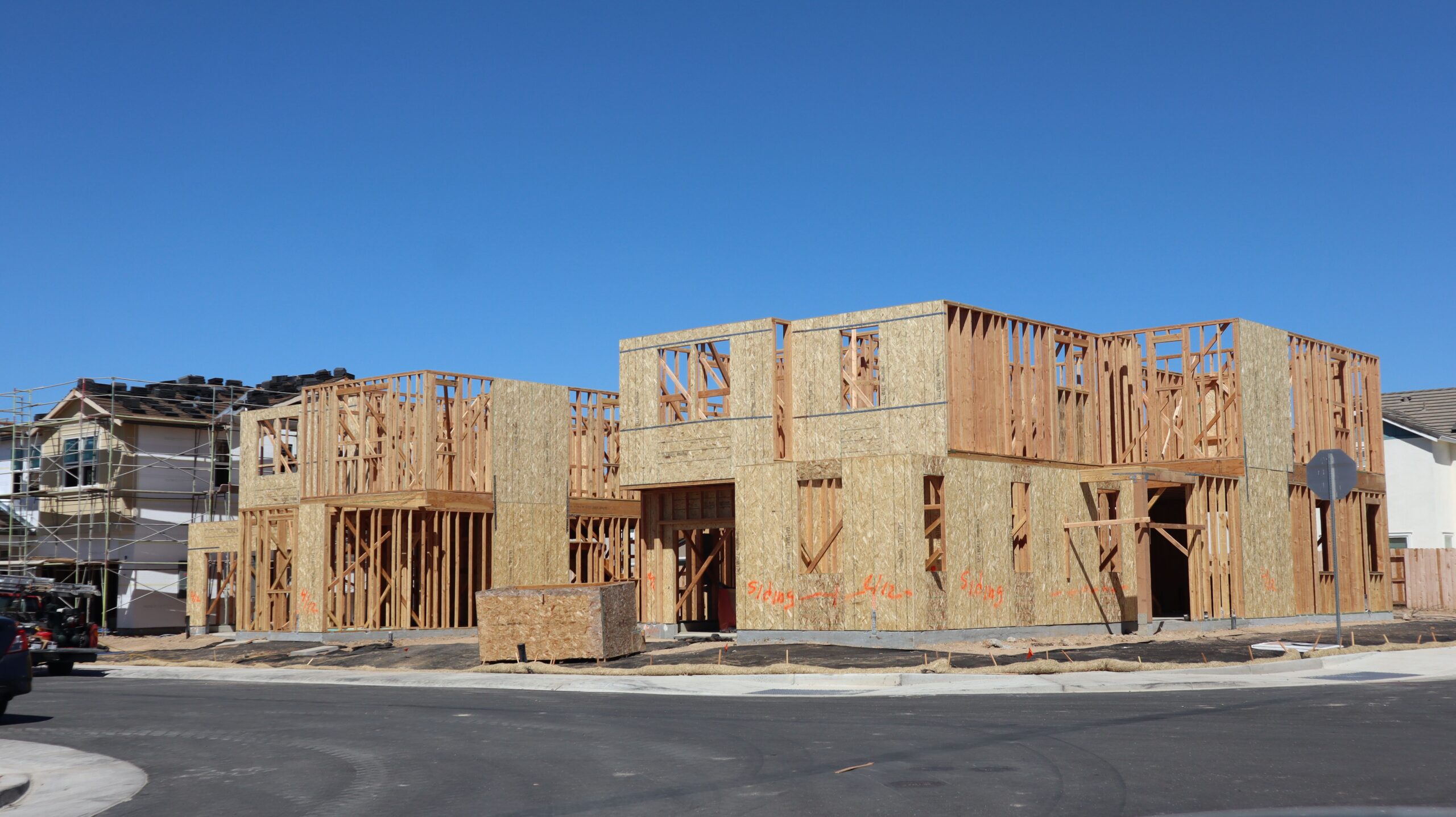
Factory production allows components to be prepared according to established designs before delivery to individual developments. Wall panels and other structural elements can then be assembled on prepared foundations, with production schedules coordinated around the progress of groundworks and site access.
The approach creates a direct relationship between manufacturing capacity and the sequencing of residential construction. Components must reach the site when foundations and lifting arrangements are ready, while installation crews need sufficient space to handle and secure the structural elements before subsequent building activities begin.
Dimensional accuracy, connection details and protection against moisture remain important during assembly. Factory preparation can provide consistent manufacturing conditions, but the completed structure still depends on correct installation, suitable interfaces with foundations and the coordination of later building-envelope work.
Timber-frame construction also requires the subsequent installation of insulation, weather protection, services and finishes. The structural system is one part of the completed building, with its performance determined by the relationship between the frame, external envelope and the remaining construction details.
For Morro, bringing structural manufacturing into the business provides an additional means of coordinating production with its regional development programme. The effectiveness of that arrangement depends on matching factory output to demand across active sites, including the different housing types and construction phases being delivered.
The developer has expanded its workforce to approximately 150 employees, with operations based in Cannock and Leicester. Its East Midlands presence developed following investment from private equity group Palatine, supporting expansion beyond the company’s original West Midlands market.
The business traces its origins to Jessup Brothers, established in 1988, and adopted the Morro Partnerships name in September 2023. Its current strategy remains concentrated on partnership housing and regeneration, with the latest results reflecting additional activity across those markets.
Chief executive Matt Moore attributed the company’s performance to collaboration with public authorities, housing providers and investors. The partnerships determine how development land, finance and construction responsibilities are brought together, particularly where schemes include housing for affordable rent or shared ownership.
Affordable housing arrangements can involve the transfer of completed properties to registered providers or other organisations responsible for their long-term management. Those requirements affect specifications, inspections and handover arrangements, which must be incorporated into the construction programme alongside the delivery of market housing.
Morro has also reported £13.6m of social value associated with its activities and intends to provide further details through an impact report. The figure forms part of the company’s reported wider economic and community outcomes, separate from its turnover, profit and development pipeline.
Its environmental commitments include science-based emissions targets and investment in construction methods intended to improve the delivery of housing. The manufacturing and development activities will need to operate alongside those commitments as the company progresses a larger programme of residential construction.
The 2025/26 results establish higher turnover, increased profitability and a substantial volume of land and construction activity across the Midlands. Morro’s next delivery period will involve progressing the 1,800 plots already on site while preparing further controlled land for development, with its Innovation Hub supplying structural components into the housing programme.