
IN Brief:
- Luton Council is preparing an eight-year scaffolding framework with an estimated value of £11.04m excluding VAT.
- The planned agreement covers scaffolding work, including erection and dismantling, through a consolidated procurement arrangement.
- Supplier engagement takes place on 3 November, with formal tender publication provisionally scheduled for 1 December.
Luton Council is preparing an £11.04m scaffolding works framework intended to consolidate its procurement of temporary access equipment and related construction services. The proposed eight-year arrangement will cover scaffolding work across the borough, with suppliers invited to a market engagement event before the formal tender process begins.
The council’s preliminary market engagement notice was published on 27 October under reference DN820034. The proposed agreement, titled AT1471 – Scaffolding Framework, has an estimated value of £11.04m excluding VAT, equivalent to £13.248m including VAT.
The framework is currently planned to operate from 5 April 2027 until 4 April 2035. Its eight-year duration would provide a common procurement arrangement for scaffolding requirements arising during that period, with actual expenditure determined by the services subsequently ordered.
Luton Council intends to bring its spending on scaffold services into one open internal framework agreement. The authority considers that consolidating requirements should improve value from procurement while establishing a common route for obtaining the relevant temporary works services.
Those services are classified under scaffolding work, scaffolding erection and scaffolding dismantling. The categories cover the provision and removal of temporary access structures, although the final technical specification, supplier arrangements and ordering procedures will be determined through the formal tender documentation.
Contractors have been invited to an online Meet the Buyer event at 1pm on Tuesday 3 November. The session will explain the council’s anticipated requirements and procurement process, including how businesses can register for access to the tender portal.
The briefing will also address social value expectations and provide an opportunity for potential bidders to ask questions. The notice identifies the opportunity as suitable for small and medium-sized enterprises, allowing specialist scaffolding contractors to consider participation alongside larger providers.
Publication of the formal tender is provisionally scheduled for 1 December 2026. The current notice establishes the intended procurement and engagement programme, with the detailed requirements to follow when the competition opens.
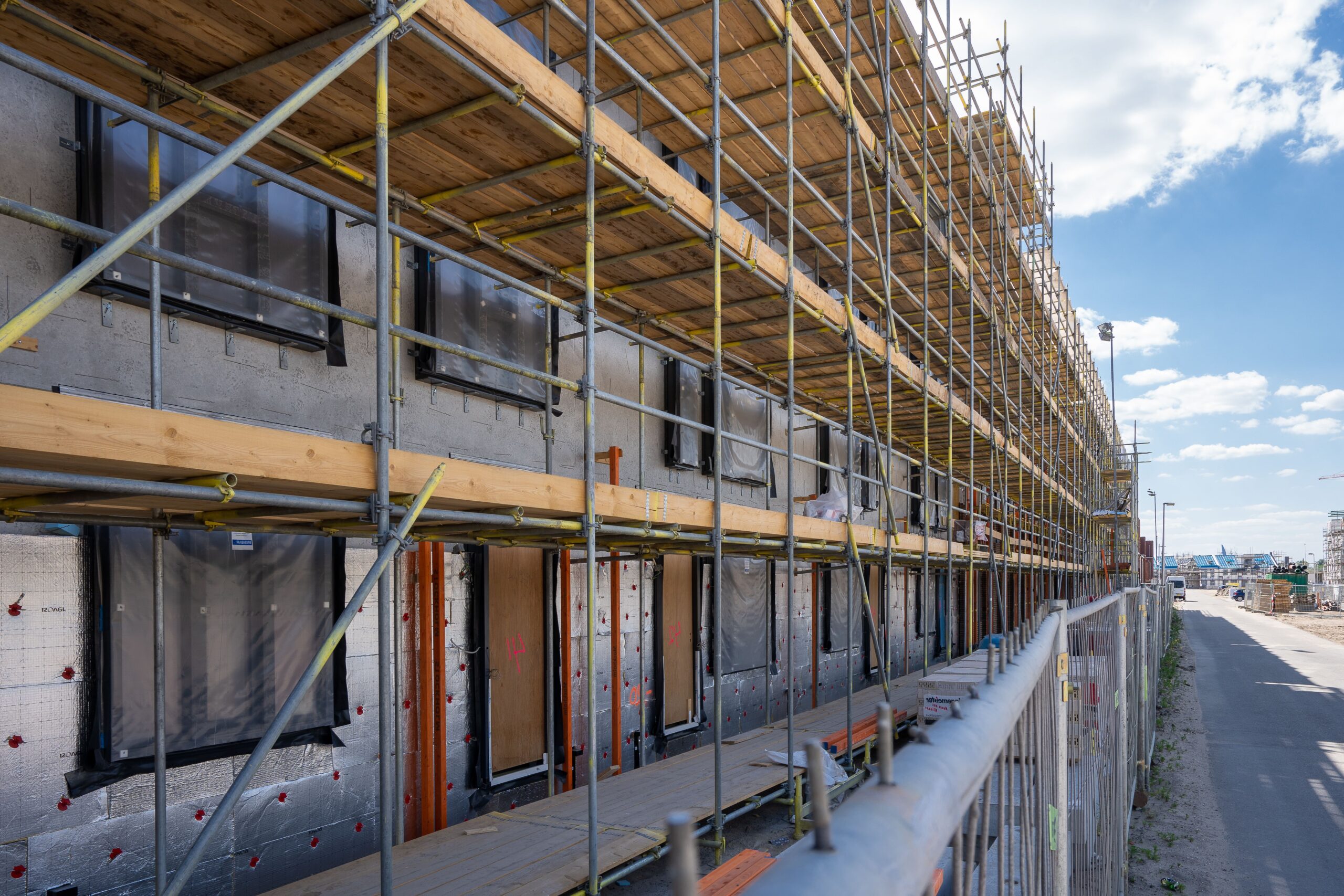
Scaffolding is used to provide access and working platforms during construction, maintenance and refurbishment. Its configuration depends on the structure being worked on, the activities undertaken from the platforms and the loads imposed by workers, tools and materials.
A façade repair project may require access across several elevations and working levels, while roofing or structural maintenance can impose different requirements for platform positions, material handling and protection. The arrangement selected for each assignment must reflect the work being carried out and the conditions at the location.
Temporary scaffold structures transfer loads through their standards and other supporting components into the ground or another engineered support arrangement. The condition of that support is therefore relevant to the safe installation, particularly where scaffolding must be erected beside existing buildings or on surfaces with varying load-bearing characteristics.
Connections to the adjoining structure can provide stability where the scaffold design requires ties or other restraint. Their position and suitability must be considered against the condition of the building and the forces generated during use, with the completed installation required to satisfy the applicable design and safety arrangements.
The erection programme must be coordinated with the work that follows. Scaffolding needs to be available before dependent trades can safely access the relevant parts of a building, while inspection and any required modifications must be incorporated as site activities progress.
Access arrangements can change during refurbishment. Work may move between elevations, additional material-handling requirements may arise, or existing platforms may need to be altered as individual construction activities are completed. The scaffolding provider and the organisation controlling the work must coordinate those changes so that the installation remains suitable for its intended use.
Public buildings can introduce further constraints because pedestrian movement and access to occupied premises may need to continue during maintenance. Scaffold positions, protected routes and the delivery of components must be planned around the space available and the operating requirements of the site.
Installations affecting highways or public footways can also require separate permissions and arrangements for managing the surrounding area. The precise requirements depend on the location of the scaffold and the extent to which it affects public access or other infrastructure.
Dismantling forms part of the same temporary works process. Scaffold components must be removed in a controlled sequence after the supported work is complete, with arrangements for moving materials and clearing the site coordinated around any remaining construction or maintenance activities.
These operations explain why the availability and scheduling of scaffolding services can influence wider maintenance programmes. Access equipment must be installed before dependent work starts and removed when its use has ended, requiring a close relationship between the scaffolding provider and the project team.
A consolidated framework would give the council an established procurement route for such services over several years. Individual assignments would still require suitable scopes, programmes and technical arrangements, with the work to be carried out determined by the circumstances of each project.
The proposed value covers the full anticipated framework period rather than an initial construction contract. The amount ultimately spent will depend on future council requirements and the commercial conditions established through the procurement.
For suppliers, the November engagement event provides an opportunity to understand the council’s intended approach before submitting formal tenders. Contractors will be able to consider the agreement’s duration, anticipated service categories and social value requirements as they prepare for the expected competition.
The next scheduled milestone is publication of the tender notice on 1 December. The formal documents will establish the requirements and assessment arrangements for businesses seeking a place on the framework before its intended commencement in April 2027.

