IN Brief:
- Liverpool City Council has completed legal agreements with Urban Splash and igloo Regeneration for Festival Gardens.
- The 27-acre waterfront site is proposed for about 800 homes, including 440 in the first phase.
- Design and planning work follows substantial public remediation and infrastructure investment; construction consent has not been granted.
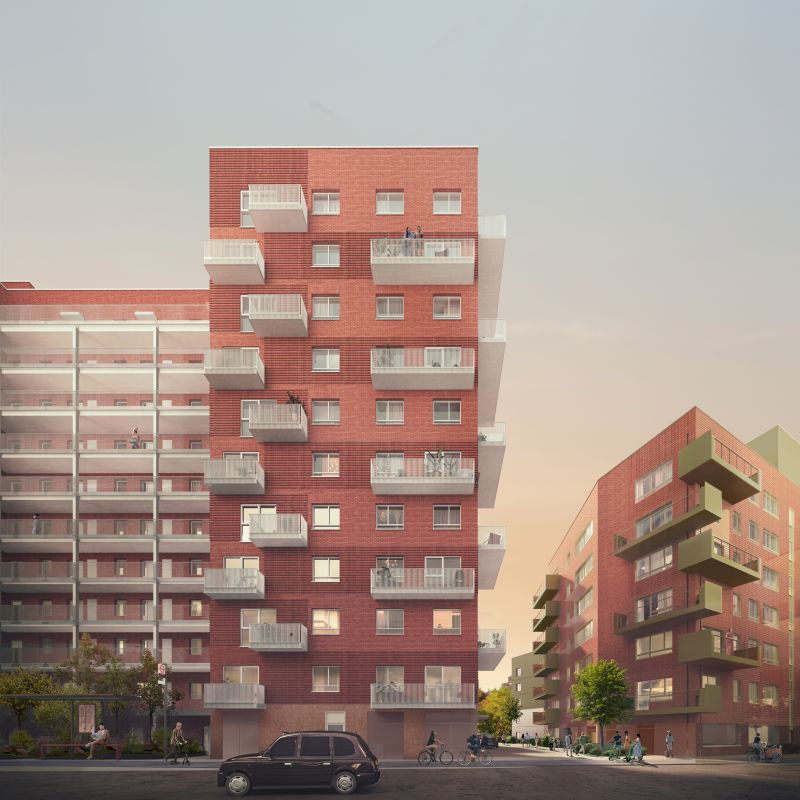
Urban Splash and igloo Regeneration have completed the legal agreements required to advance Liverpool’s Festival Gardens redevelopment, moving the long-delayed waterfront site into its next planning and design stage. Liverpool City Council selected the development partnership in 2025, and the current proposals envisage approximately 800 homes on 27 acres beside the River Mersey.
The latest milestone is the formalisation of the development arrangement, rather than the award of a construction contract or approval of a planning application. The partners hope to submit an application by the end of 2027, according to the latest account of the project. Urban Splash’s published concept proposes 440 homes in its first phase, with the remaining accommodation following in later stages.
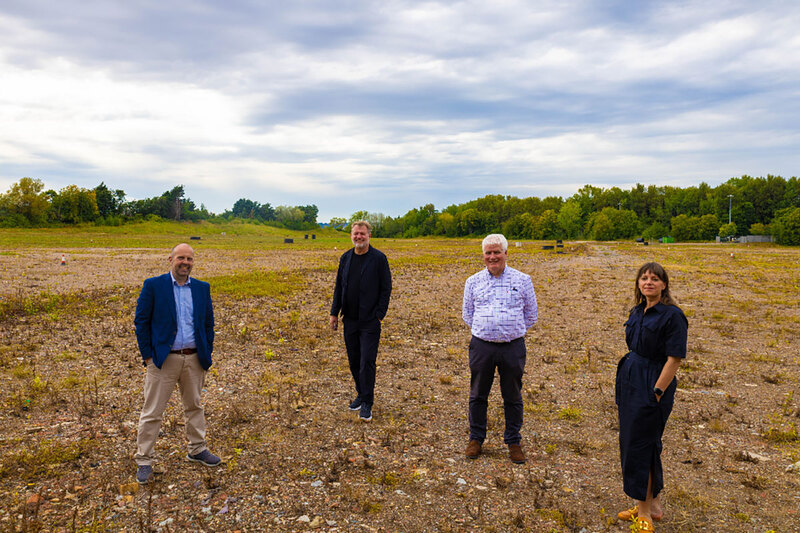
The site occupies part of the former International Garden Festival grounds at Riverside Drive, about three miles south of Liverpool city centre. Its history creates particular development constraints. The area was once a refinery and municipal waste site before hosting the 1984 Garden Festival, and substantial remediation has been needed to make former industrial land suitable for a new residential neighbourhood.
That preparatory effort has already attracted considerable public funding. Liverpool City Council, Liverpool City Region Combined Authority and Homes England supported a remediation and infrastructure programme valued at approximately £53m, with VINCI carrying out the remediation works. The adjoining Southern Grasslands park was completed as part of wider improvements. The new housing proposal concerns the 27-acre development land, not the entirety of the historic festival landscape.
The partners now have an executed contractual framework under which to develop the proposals for the council-owned land. Individual phases still require detailed design, applications and approvals, and the announcement does not include a main building contract. The agreement follows a preparatory programme that addressed contaminated ground and supporting infrastructure before the development partnership was formalised.
Urban Splash’s concept combines several tenures rather than proposing a uniform housing product. Its partners include Alpha Living for ExtraCare accommodation, Regenda for affordable and social housing, and Starship for modern methods of construction. Co-housing and private sale homes are also envisaged, with pedestrian connections and shared spaces linking the various parts of the neighbourhood. The detailed allocation of plots and tenures remains subject to design and planning.
The approved partnership framework seeks at least 20% affordable housing across the approximately 800 planned homes. The current 440-home first phase is a design ambition, not an instructed construction package, although earlier proposals envisaged 80 ExtraCare homes and 110 affordable homes within it. The partners have yet to confirm the detailed tenure schedule that will accompany the revised planning application.
Urban Splash envisages green routes and riverside public spaces connecting the housing plots to Festival Park and the Mersey waterfront. The planned layout will need to accommodate movement between existing parkland and development parcels while allowing for servicing, access and construction activity. Those interfaces are significant because much of the neighbouring landscape has already been restored for public use and is not a vacant construction compound.
Liverpool City Council bought the site in 2015, and previous development studies contemplated a substantially larger number of dwellings. A revised procurement and remediation strategy preceded the selection of Urban Splash and igloo in 2025. The 800-home concept now being advanced is accordingly distinct from earlier masterplans, which should not be treated as current housing commitments.
Further ground investigation, utilities coordination and access design will be necessary as the masterplan is developed. The former refinery and waste uses explain why remediation and material handling have occupied such a prominent place in the site’s history. The completion of preparatory works improves the condition of the development land, but foundation designs, plot-specific construction controls and delivery logistics have not yet been published.
The historic landscape is also part of the project’s design brief. Opened in 1984, the International Garden Festival drew more than 3.4 million visitors; sections of the gardens were restored and reopened as Festival Park in 2010. The adjacent Southern Grasslands area has since benefited from public investment. Proposed housing and access routes must therefore be designed alongside established green space rather than on an isolated brownfield parcel.
A previous Liverpool City Region funding decision extended the housing completion horizon to March 2033. That was a change to an earlier funding agreement, not a fresh completion promise made when the development agreements were signed in October 2026. The partners’ nearer stated milestone is a planning application by the end of 2027, after further design and engagement.
No application has yet been approved for the proposed 440-home first phase, and no building contractor or construction start has been announced. Urban Splash and igloo can now progress the design and planning work under their formal agreements with the council. The point at which Festival Gardens moves into housebuilding will depend on those approvals and subsequent construction appointments.