IN Brief:
- The Flood and Drought Resilience Taskforce is due to meet on 14 October, bringing together representatives of more than 50 organisations.
- The National Drought Group will retain responsibility for coordinating and overseeing the operational drought response.
- England’s existing £4.2bn flood-defence programme covers April 2026 to March 2029; the taskforce announcement contains no additional works awards.
The Department for Environment, Food and Rural Affairs is establishing a Flood and Drought Resilience Taskforce to bring more than 50 organisations into joint discussions about extreme-weather preparedness and longer-term resilience. Its first meeting is planned for Wednesday 14 October, with Floods and Drought Minister Emma Hardy convening representatives from the Environment Agency, Met Office, mayoral authorities, fire and rescue services, and the farming, water and insurance sectors. The announcement establishes a coordination forum rather than a new civil engineering contract or investment allocation.
Members are expected to examine preparations for possible flooding this winter and lessons from the continuing 2026 drought. Defra describes an unusually dry summer following a wet winter, with July the driest in almost two centuries and the country experiencing its third drought in five years. Drought and flood risk operate on different timescales, yet both require decisions about water resources, the condition of existing assets, weather forecasting and emergency arrangements. These are the operational and investment issues that the new group is intended to consider together.
Community participation is explicitly included in the remit. Defra plans to involve more organisations representing people affected by flooding and water shortages, alongside bodies responsible for infrastructure and public services. The new forum will complement the National Drought Group, which remains responsible for coordinating and overseeing the operational response to drought. Establishing the taskforce does not replace existing statutory duties, transfer the delivery of flood schemes to ministers, or remove the role of operating authorities in managing individual assets.
The body begins its work during an already established programme of flood and coastal erosion investment in England. Government has committed £4.2 billion for the three financial years from April 2026 to March 2029, covering new protection schemes and repair or maintenance of existing assets. The programme includes planned expenditure of £1.4 billion during 2026/27, while Defra has referred to a longer-term commitment of at least £10.5 billion from 2024 to 2036. These are overlapping commitments with different reporting periods; the sums cannot be added together as if they were separate budgets created by the taskforce.
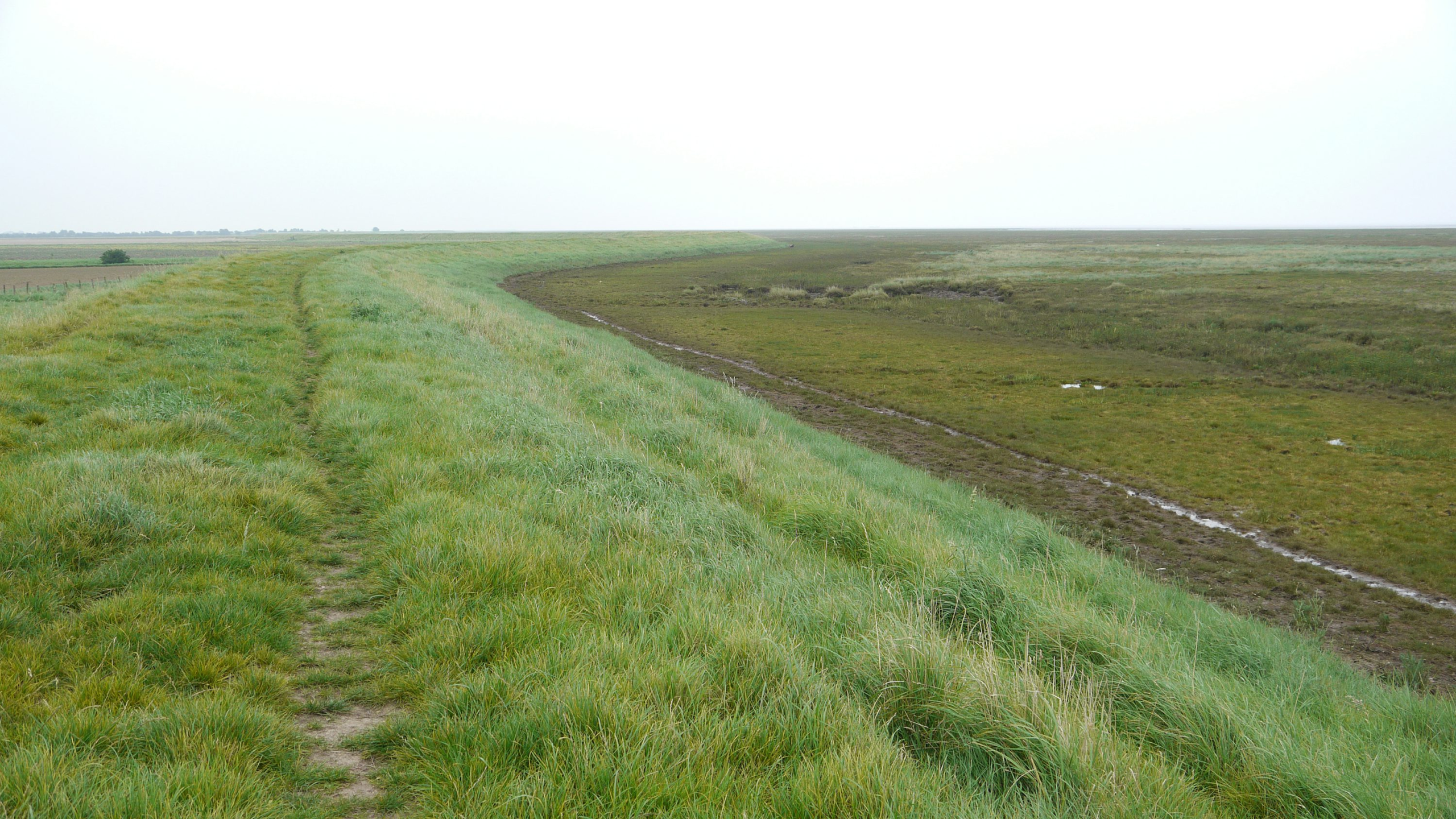
The Environment Agency publishes a list of schemes receiving investment during 2026/27, giving the construction programme a project-level context beyond the national spending totals. Flood defence works can include embankments, walls, barriers, pumping systems, drainage improvements and coastal structures, with design and delivery determined by the hazards at particular locations. Repair and maintenance are also part of the funded workload. Preserving an existing asset’s condition may involve different techniques, access constraints and procurement arrangements from constructing a new defence along an unprotected frontage.
In that setting, preparedness depends on the performance of infrastructure already operating as well as planned capital works. An embankment may require inspection and repair, a pumping station needs functional equipment and power, and a flood gate has to be operable when river levels rise. Assessing the risk of failure or restricted access involves asset owners, local authorities and emergency services. The taskforce’s proposed cross-sector membership allows those different operational perspectives to inform national discussions, although Defra has not specified that the group will approve project designs or rank individual schemes.
Drought creates a different set of pressures for engineering and water-system management. Low rainfall and reduced reservoir or river levels can affect supply planning, abstraction and the need to manage demand. Water companies must also address leakage and operational resilience. Defra points to a previously announced £65 million package for agricultural drought resilience and measures intended to simplify the development of on-site reservoirs. These initiatives are separate from the flood-defence budget and should not be characterised as construction contracts awarded through the new group.
The two hazards can intersect with transport, buildings and utilities. Flooding may cut road access to treatment works or pumping assets, while persistent shortages of water can restrict the flexibility available to operators. Repairing or replacing defences has a delivery timetable governed by surveys, appraisal, planning, procurement and site conditions; emergency planning works on a much shorter horizon. Coordination may help agencies compare those responsibilities, but the taskforce’s creation does not alter the physical lead times associated with designing and building infrastructure.
At the inaugural meeting on 14 October, members are scheduled to review winter flood readiness and the experience of the year’s drought. The first test of the forum’s practical role will be the recommendations and coordination arrangements that emerge, while construction delivery will continue under the existing flood investment and asset-management programmes. Defra has announced no additional scheme approvals, works packages or fresh flood-defence allocation alongside the taskforce’s launch.