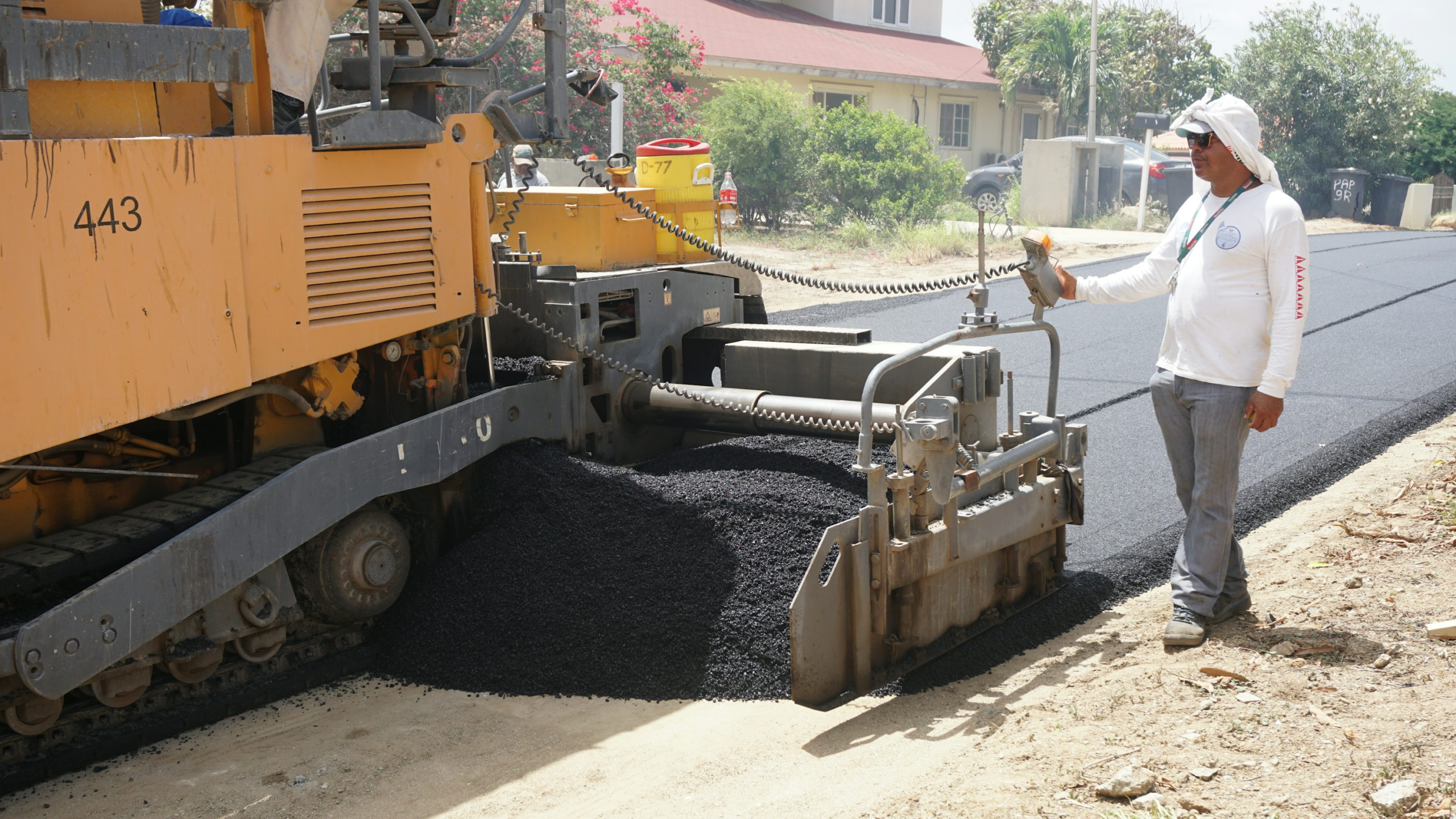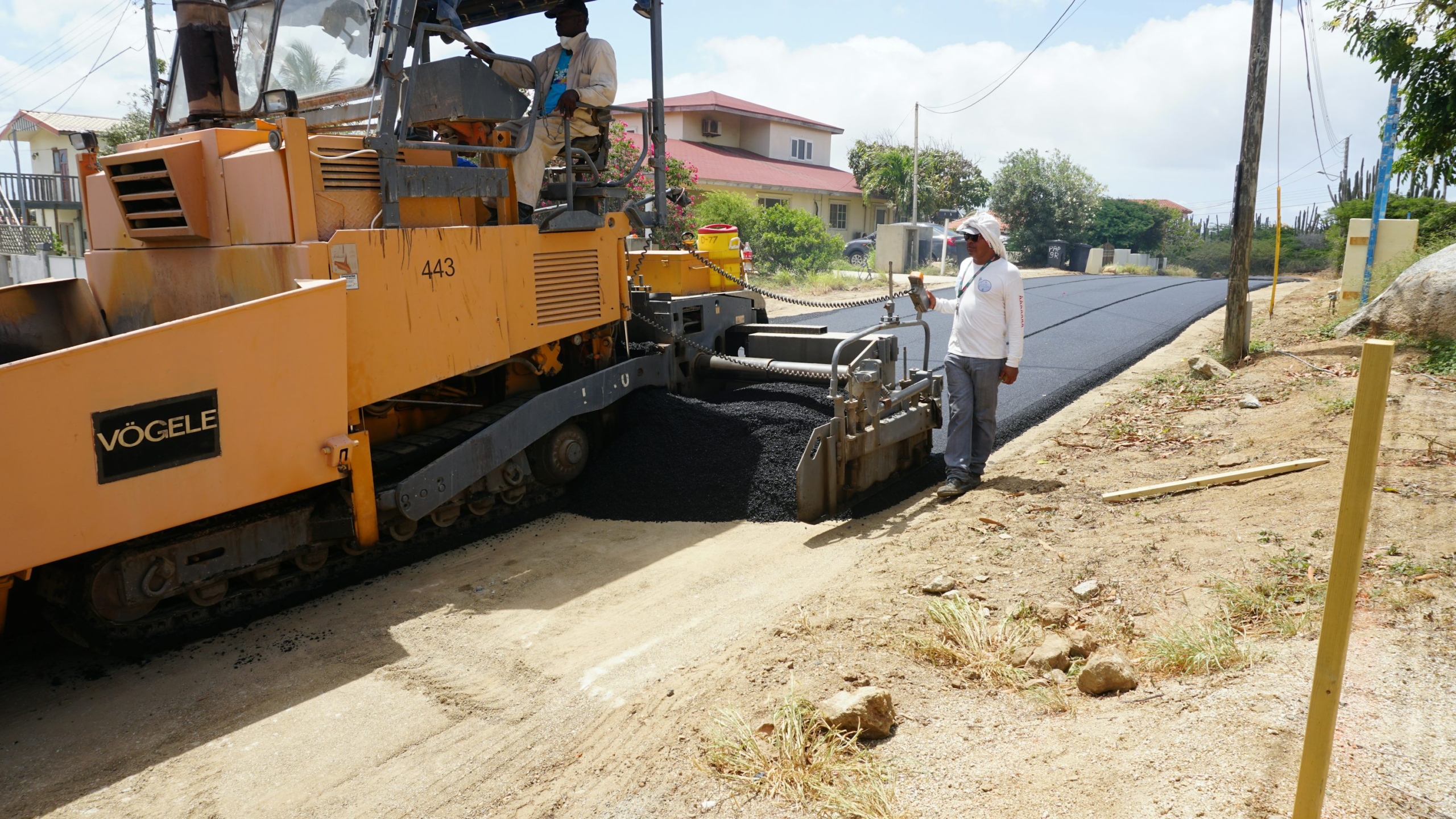
IN Brief:
- A 12-month redevelopment at Cragmill replaced a decommissioned asphalt installation.
- The new plant is expected to produce 50,000 tonnes annually and provides 120 tonnes of storage for mixed asphalt materials.
- LPG heating, warm-mix capability and reclaimed asphalt planings are included, without a quantified site emissions saving.
Breedon Group has brought a £4 million asphalt plant into operation at Cragmill Quarry, near Belford in Northumberland, returning asphalt production to the site for the first time in more than a decade. The new installation is expected to produce around 50,000 tonnes a year and incorporates equipment for warm-mix asphalt and reclaimed asphalt planings alongside its conventional product range.
A 12-month redevelopment programme involved demolition of the previous, decommissioned asphalt plant, reconfiguration of the quarry site and construction of a replacement facility. The old plant had been taken out of service by a former operator. Initial accreditation has now been completed, allowing the new installation to begin supplying customers in Northumberland and the Scottish Borders.
The operating arrangement includes 120 tonnes of storage for mixed asphalt materials, which Breedon intends to use to improve customer collections and reduce vehicle waiting times. This capacity concerns asphalt held after production rather than the amount manufactured in a day or the plant’s annual output. The 50,000-tonne figure is the company’s expected yearly production volume; it does not establish a fixed upper limit on future output.
Asphalt manufacture requires aggregates of the correct grading to be dried and heated before they are combined with bituminous binder in the proportions specified for the mixture. The plant must then transfer the product to insulated storage or loading facilities while managing temperature, batch consistency and dispatch. A vehicle can be loaded from stored material without waiting for every stage of the manufacturing cycle to be repeated, provided the mix remains within its permitted holding conditions.
Cragmill’s storage arrangement is particularly relevant to a plant supplying construction and maintenance work across a relatively wide rural area. Road surfacing programmes may require coordinated deliveries to an active paving operation, where interrupted material supply can affect the continuity of laying and compaction. The new facility offers both customer collection and delivery, and Breedon says it can operate 24 hours a day, seven days a week when required. It has not published a typical daily shift pattern or a quantified improvement in turnaround times.
The plant uses liquefied petroleum gas to provide heat for asphalt production. Breedon identifies LPG as a lower-carbon alternative to the fuel oil historically used at some of its other asphalt sites. Its wider fuel-switching programme estimates a potential combustion-emissions reduction of approximately 10–15% when changing from oil to LPG, but the company has published no equivalent measured result for Cragmill. A comparison of burner emissions would not, in any event, include the separate impacts of raw material extraction, binder manufacture and product transport.
Warm-mix asphalt capability is another part of the new equipment specification. Compared with conventional hot-mix production, approved warm-mix formulations can be manufactured at lower temperatures using techniques that maintain binder coating and mixture workability. The potential reduction in heat demand depends on the particular formulation and operating conditions, and appropriate temperature control remains necessary during transport, laying and compaction. Breedon has not disclosed the plant’s actual warm-mix production temperatures or the proportion of its output expected to use this process.
Reclaimed asphalt planings, generally described as RAP, provide a route for incorporating material recovered when worn road surfaces are milled or removed. The recovered aggregate carries aged bitumen, and its use in a new mixture must account for grading, binder characteristics and the finished product’s performance specification. RAP capability does not mean that all Cragmill mixtures will contain recycled content or that a constant recycled proportion has been approved for every layer of a road pavement.
Breedon says the plant can manufacture its Performance Asphalt products as well as other asphalt specifications. Siting the installation within an operating quarry places asphalt manufacture close to a potential source of aggregate, although the company has not stated how much of the new plant’s aggregate input will be supplied directly from Cragmill. Local production may change haulage patterns, but no verified reductions in transport distance, fuel use or delivery emissions have been released.
The plant is positioned to serve Northumberland, the Newcastle area and customers north of the border. That reach is relevant because asphalt must arrive at a site within the working conditions prescribed for its mixture and laying method. The combination of production capacity, finished-material storage and flexible dispatch arrangements determines how efficiently orders can be sequenced, especially when road programmes operate at night or during restricted closures.