IN Brief:
- Scotland had 1,466 BTR homes under construction in Q2 2026, down from 1,995 a year earlier.
- The 27% decline was steeper than the reductions recorded elsewhere in the UK.
- A 3% rise in homes in planning has yet to translate into stronger construction starts.
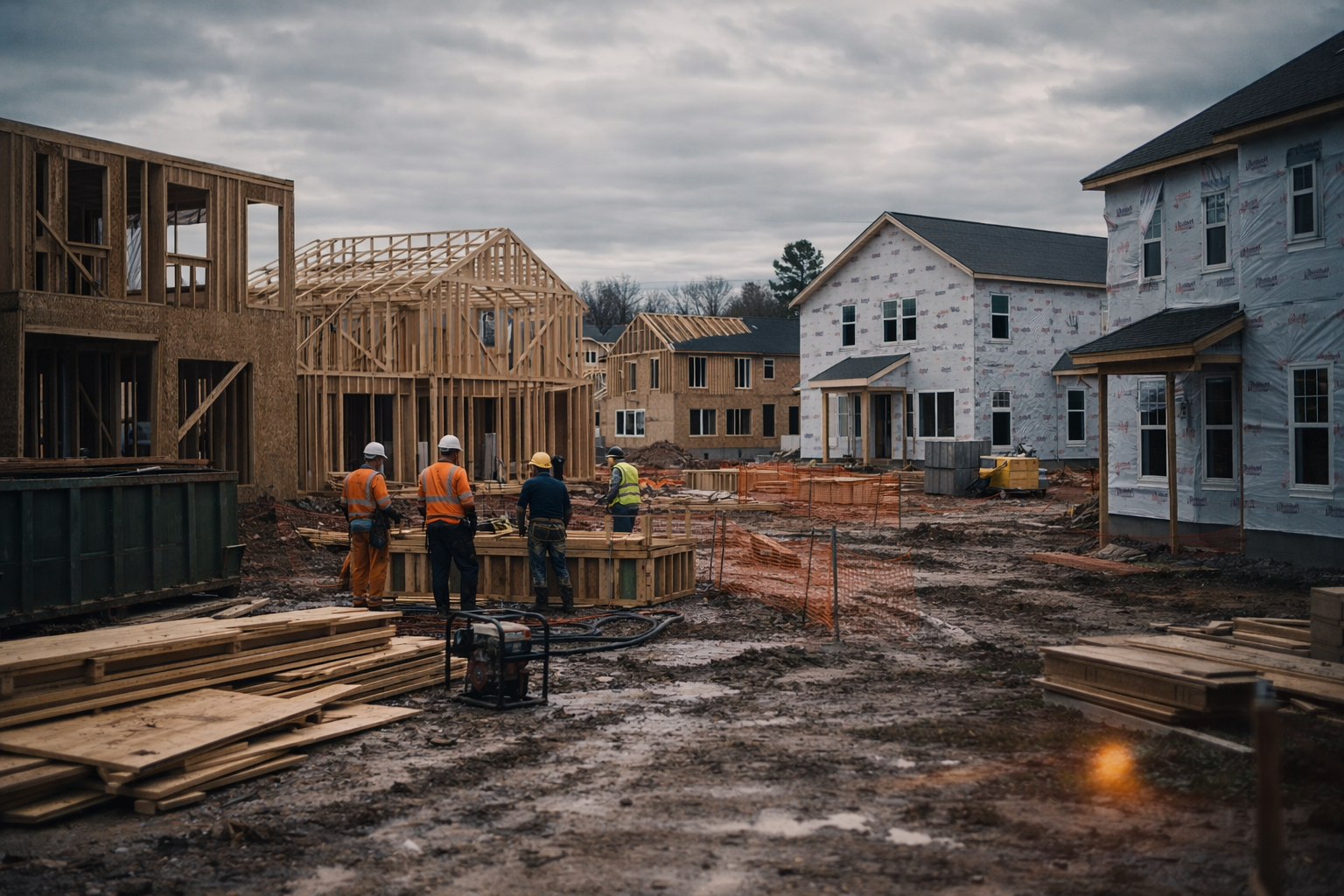
Real Estate:Scotland and Savills data shows that the number of build-to-rent homes under construction in Scotland fell by 27% year on year in the second quarter of 2026, leaving 1,466 homes on site compared with 1,995 a year earlier. The contraction was the sharpest recorded among the four UK nations.
England recorded a 21% fall and Wales a 9% reduction, while Northern Ireland was unchanged. Across the UK, the wider Real Estate:UK report shows 310,310 BTR homes in the total sector, including 156,688 completed homes, but annual starts fell by 79% to 3,455 and the number under construction declined by 21%.
Scotland’s position is complicated by a modest increase further back in the pipeline. The number of BTR homes in planning rose by 3%, showing that development interest has not disappeared even as fewer schemes progress into physical construction.
The gap between planning and starts is already visible in workload. A permission can support a developer’s future pipeline, but it does not create the immediate demand generated by enabling works, structures, façades, building services, and fit-out. Contractors and suppliers can therefore face a falling market even while headline planning numbers remain stable or improve.
Real Estate:Scotland has linked the slowdown to viability pressures affecting development, including construction costs, delivery capacity, regulation, and subdued investor sentiment. The organisation has called for development viability to receive greater attention in Scottish policy, reflecting concern that schemes capable of winning planning approval are still struggling to reach a fundable construction position.
Build-to-rent economics make that conversion particularly sensitive. Large schemes commit land, design, finance, and construction expenditure well before rental income begins, so interest rates, build costs, and required investment returns have a disproportionate effect on whether projects proceed.
A relatively small movement in those assumptions can change the value of a completed scheme enough to force redesign, delay, or a different tenure strategy. The effect reaches construction later because projects that failed to secure investment several quarters ago are the schemes missing from today’s starts and site activity.
Policy clarity around rent controls has removed one source of uncertainty for qualifying BTR properties, but the Q2 figures show that regulatory improvement does not immediately restore schemes that have already been repriced or paused. Developers still need construction costs, finance, and expected rental income to align before committing to a multi-year programme.
The UK figures show the same lag at larger scale. The completed BTR sector continues to grow, but the pipeline feeding future completions is narrowing. A 79% fall in annual starts means fewer schemes are entering the construction phase that will replace projects currently approaching handover.
That distinction is particularly visible in city markets where large apartment schemes support concentrated packages for concrete frames, façades, mechanical and electrical systems, lifts, fit-out, and public realm. A single delayed tower can remove a sizeable volume of work from the local supply chain even if demand for rented housing remains strong.
Scottish cities also face a different delivery profile from suburban single-family rental schemes. Urban apartment projects often carry higher land values, complex planning obligations, constrained logistics, and more intensive building-services requirements, all of which increase sensitivity to finance and construction inflation.
The planning pipeline still provides a route back to growth if viability improves. A 3% increase in proposed homes gives developers a stock of schemes that could advance when funding conditions become more favourable, although those projects will move at different speeds depending on design maturity, land position, and planning obligations.
For contractors, the Q2 data reinforces the need to distinguish between nominal pipeline and executable workload. A scheme in planning, a consented project seeking finance, and a site with a main contract ready to start may all appear in development statistics, but they represent very different levels of certainty for recruitment, procurement, and turnover forecasting.
The same distinction applies to public policy. Increasing the number of planning permissions will not lift construction output if approved projects remain commercially unviable. Housing targets ultimately depend on schemes crossing the point where capital is committed and physical work begins.
Scotland’s 27% decline therefore reflects decisions made well before the second quarter of 2026, while the 3% rise in planning offers only a possible route to recovery. The next useful measure will be starts: until more of those proposed homes move into construction, the sector’s pipeline will look healthier on paper than it does on site.