IN Brief:
- Contractors started work on the Stockwell Street Avenue on 10 August.
- The scheme includes road resurfacing, Caithness stone pavements, raingardens, new trees, signal upgrades, and segregated cycling infrastructure.
- Three phases will cover the corridor between Trongate and Bridgegate, with completion expected in late 2027.
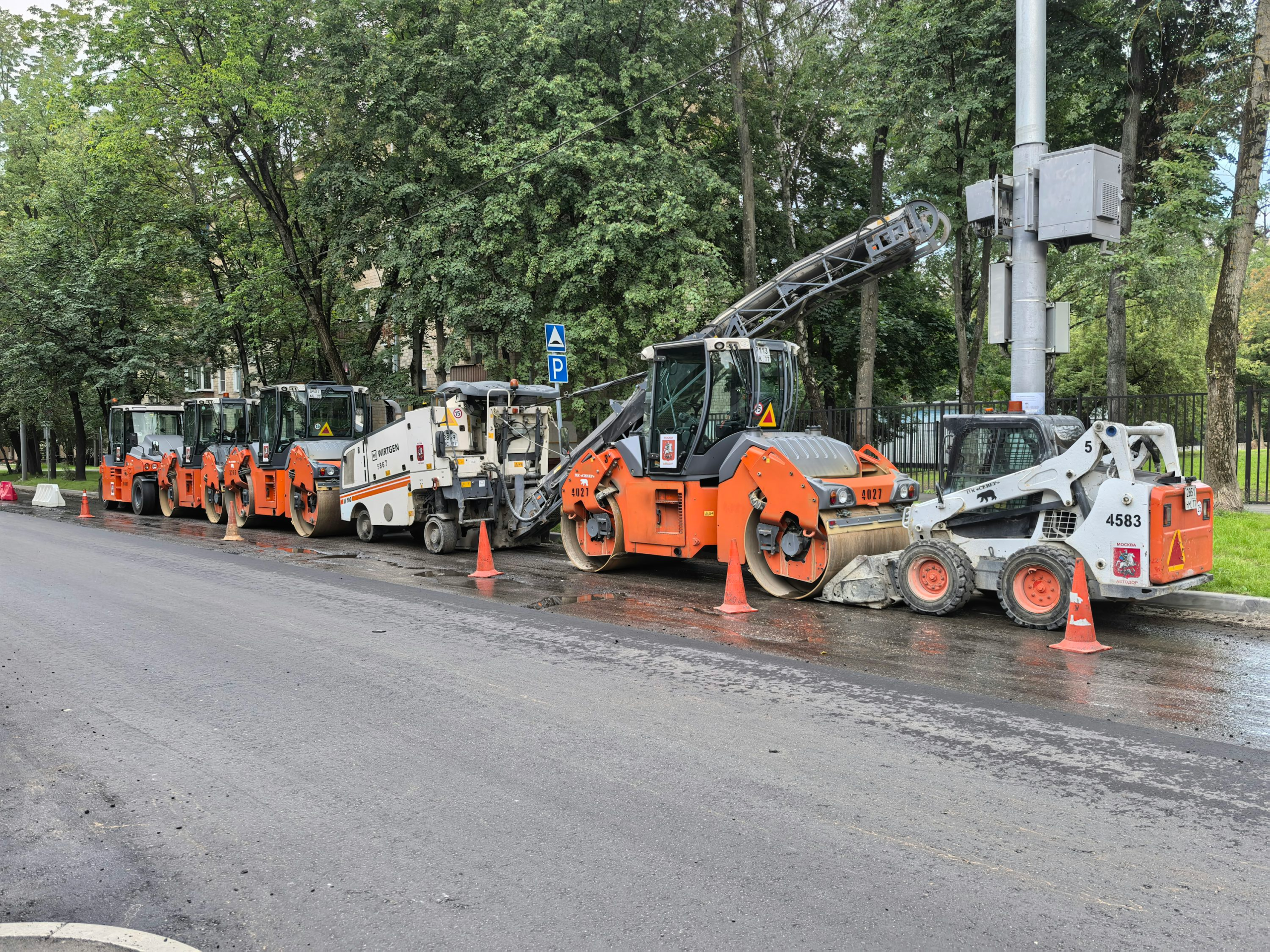
Glasgow City Council has started construction of the Stockwell Street Avenue, extending the city’s Avenues programme through the corridor between Trongate and Bridgegate.
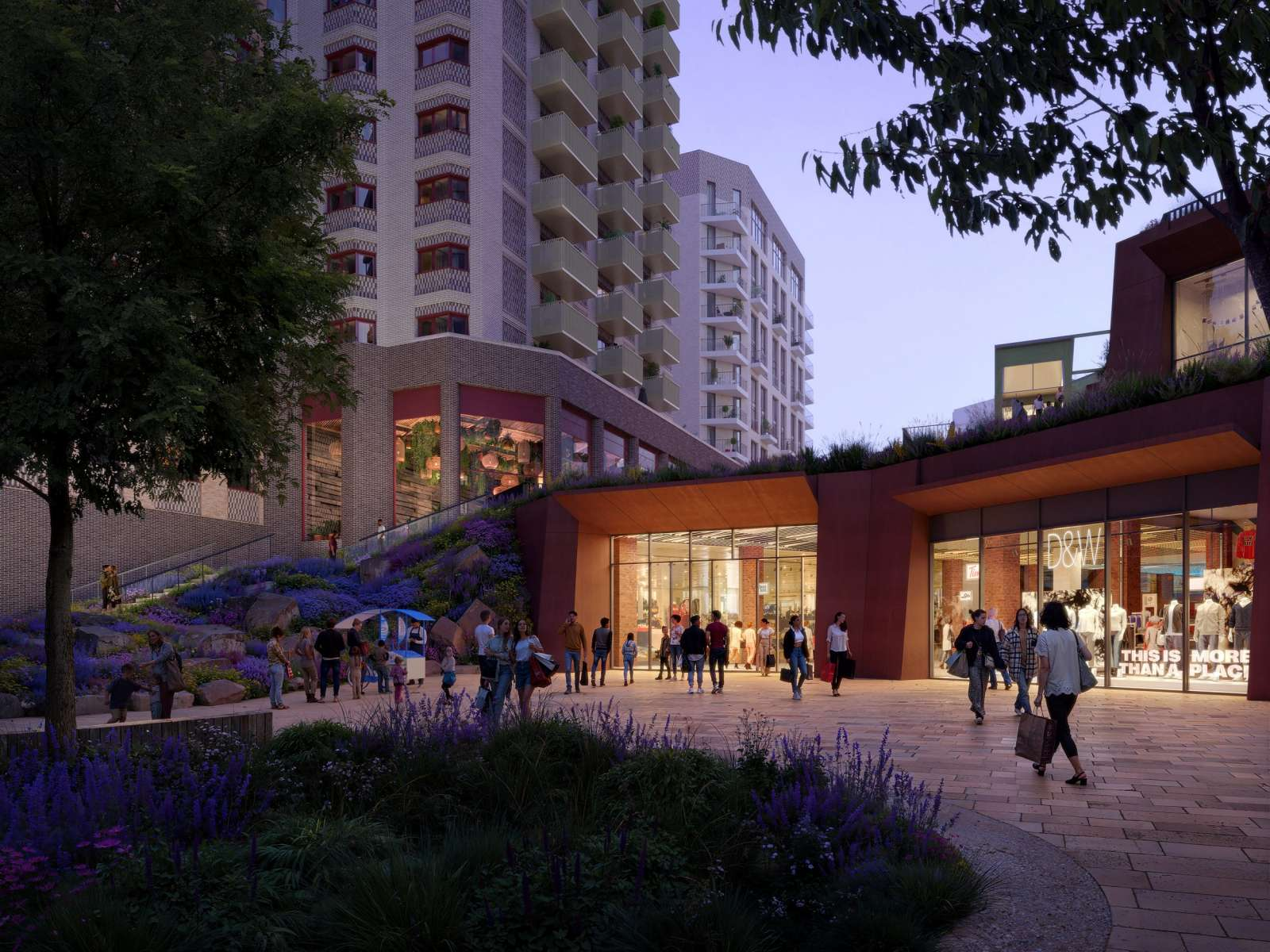
Contractors moved on site on 10 August. The scheme includes road resurfacing, new and widened pavements where space permits, Caithness stone surfacing, trees and raingardens, upgraded traffic signals, and a two-way segregated cycleway along part of Stockwell Street.
The work is being divided into three phases. The first covers Trongate to Osborne Street, the second Bridgegate to Howard Street, and the third Howard Street to Osborne Street, with the complete Avenue expected to finish in late 2027.
The cycling element is intended to connect into a broader city-centre network. The new segregated route between Bridgegate and Howard Street will connect with the South City Way at its southern end and the Argyle Street East Avenue infrastructure to the north when the surrounding schemes are complete.
That makes continuity through junctions and adjoining streets an important part of the civil engineering work. A protected route that terminates abruptly at a difficult crossing or fails to align with adjacent infrastructure can lose much of its practical value even where the individual section has been built to a high specification.
The raingardens planned between Bridgegate and Howard Street add a drainage function to the streetscape. Their performance will depend on levels, soil build-up, inlet design, overflow routes, planting, maintenance access, and the relationship with the conventional drainage system beneath the road.
Urban retrofit work of this type is often more constrained below ground than above it. Existing utilities, cellar structures, drainage runs, ducting, historic foundations, and previous highway alterations can restrict excavation and alter the position of new kerbs, drainage features, signal equipment, or tree pits.
Utility information available at design stage can also differ from conditions uncovered during excavation. Programme contingency and rapid coordination with statutory undertakers become important where unexpected services cross the workface or where existing assets are shallower than anticipated.
The use of Caithness stone introduces another sequencing requirement. Natural stone paving needs controlled bedding, jointing, falls, edge restraint, and protection from later construction traffic, particularly where other utilities or landscaping works remain active after sections of pavement have been completed.
Signal upgrades must be coordinated with altered carriageway geometry, pedestrian crossings, cycle movements, underground ducts, controller equipment, detection systems, and road markings. Those packages are relatively compact physically but can involve several specialist contractors and commissioning steps before junctions can return to their final operating arrangement.
The city-centre setting also limits how much of the street can be closed at once. Businesses, residents, deliveries, servicing, emergency access, public transport, pedestrians, and traffic continue around the works, so temporary routes and construction compounds have to change as each phase moves forward.
That places traffic management and communication alongside the permanent engineering work. A technically correct scheme can still create disproportionate disruption if access arrangements are changed without adequate notice or if finished sections are repeatedly reopened to accommodate later activities.
Stockwell Street forms part of Glasgow’s wider Avenues programme, which is reshaping a series of city-centre streets through public realm, active travel, landscaping, and transport interventions. The programme is being delivered across several corridors rather than as one continuous construction site.
Concurrent projects create opportunities for common materials and connected routes, but they also increase pressure on road capacity and diversion planning. Construction teams need to avoid moving traffic or servicing demand from one work area into another corridor already constrained by its own programme.
The long completion horizon reflects that phased approach. Work continuing until late 2027 will require temporary traffic arrangements, utility coordination, material supply, and site boundaries to remain effective across changing seasons and several stages of construction.
The success of the finished Avenue will ultimately depend on the quality of those interfaces rather than any single paving or cycling element. Roads, pavements, drainage, planting, signals, and active-travel infrastructure have to work together as one street while also connecting into the adjacent city-centre network.
With contractors now on site, Stockwell Street has moved beyond design and consultation into the less tidy part of urban regeneration: maintaining access while the road is opened up, buried constraints are resolved, and the new infrastructure is assembled section by section.