IN Brief:
- Applications covering sites of 0.2 hectares or less are exempt from mandatory BNG, subject to priority-habitat protections.
- Temporary developments lasting five years or less can qualify, while new self-build applications lose their dedicated exemption.
- Applicants must distinguish between site area, habitat impact, and habitat type when establishing whether an exemption applies.
The Department for Environment, Food & Rural Affairs has changed England’s mandatory biodiversity net gain exemptions for planning applications made from 6 August 2026, widening relief for small and temporary developments while ending the dedicated exemption for new self-build and custom-build applications.
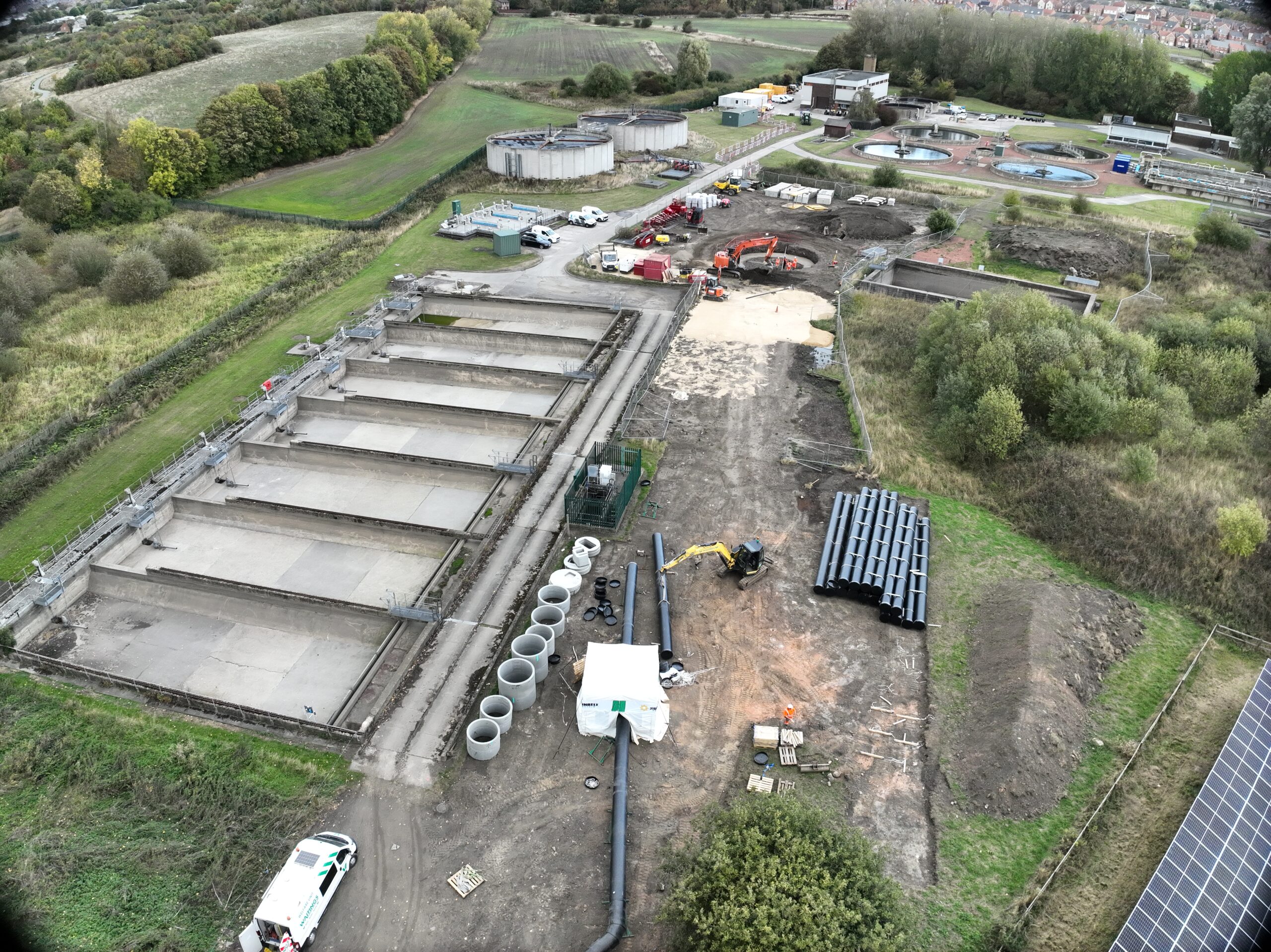
Planning applications for developments with a red-line site area of 0.2 hectares or less are now exempt from mandatory BNG. The exemption is based on the full site within the application boundary, not solely the footprint of the proposed building or the area where physical works will occur.
A separate exemption applies where the whole development is temporary and planning permission is granted for five years or less. Neither exemption applies where the development affects priority habitat on the site.
The existing de minimis rule remains in place. BNG does not apply where development affects less than 25 square metres of onsite habitat and less than five metres of linear habitat, such as a hedgerow, provided priority habitat is not affected.
New thresholds alter early project checks
The 0.2-hectare rule and the de minimis rule answer different questions. A project on a site larger than 0.2 hectares may still qualify under de minimis where the habitat impact remains below the prescribed limits, while a scheme within the new site-area threshold can be exempt even where its affected habitat exceeds 25 square metres.
Applicants will therefore need to establish the red-line area, the extent of habitat affected, and the presence of priority habitat before deciding which route applies. A generic description of a development as “minor” or “small” is not enough to establish an exemption.
The change can remove the statutory requirement to deliver a 10% biodiversity gain for qualifying schemes, reducing the need for a biodiversity metric, gain plan, and secured onsite or offsite units. Other environmental and planning duties remain, including protected-species controls, tree requirements, local planning policy, and environmental assessment where applicable.
Temporary development requires equally careful classification. The whole scheme must be temporary, and the planning permission must last no more than five years. A temporary compound or enabling package attached to a permanent development cannot automatically be treated as a separate exempt project.
The self-build and custom-build exemption no longer applies to new planning applications made on or after 6 August. Applications submitted before that date can retain the previous exemption, as can later variations where the original planning permission was exempt.
New self-build and custom-build schemes must now comply with mandatory BNG unless another exemption applies. A project on a site no larger than 0.2 hectares may qualify under the new threshold, but its tenure and delivery model no longer provide a separate route out of the regime.
The change alters the viability calculation for schemes that previously relied on the self-build exemption but fall outside the new site-area or de minimis thresholds. Those projects may need ecological surveys, a statutory metric, a biodiversity gain plan, and measures secured for the required period.
Householder applications remain exempt. The guidance identifies extensions, conservatories, and loft conversions as examples, preserving a distinction between domestic work to an existing home and a new self-build dwelling requiring planning permission.
Developments creating or enhancing habitat mainly to provide offsite BNG gains for another project also remain exempt, avoiding a circular requirement for the habitat bank itself to deliver an additional gain. Permitted development and urgent Crown development continue to sit outside the mandatory regime under existing provisions.
Variations to older permissions retain transitional protection in most cases where the original permission was outside mandatory BNG. That prevents a later amendment from bringing an otherwise exempt development into the regime solely because its section 73 or equivalent application was made after the commencement dates.
Local planning authorities will need to update validation guidance, application forms, and officer procedures. The revised rules create several tests that may produce different outcomes on superficially similar sites, particularly where boundary size, habitat impact, and priority habitat do not align.
Ecologists and planning consultants will also need to record the basis for an exemption clearly. A disputed exemption can delay validation or determination, and a weak evidential trail may leave the issue unresolved until pre-commencement conditions or legal agreements are being finalised.
Defra has indicated that further changes are expected later in 2026, including possible exemptions for parks and conservation projects and amendments to the statutory biodiversity metric. The operative position, however, is already different for applications submitted from 6 August.
The revised framework reduces the mandatory burden for some small and short-term schemes while removing a broader concession for self-build housing. The dividing lines now depend on measured site area, actual habitat impact, and habitat type — details that are cheapest to establish before the planning boundary and development layout are fixed.