IN Brief:
- Muir Construction secured more than £25m of industrial and manufacturing work during the second quarter.
- The portfolio includes extensions to operational factories and a new building at Westway.
- Increased preconstruction investment will support buildability, benchmarking, programme planning, and early risk reduction.
Muir Construction has secured more than £25m of industrial and manufacturing work across Scotland during the second quarter of 2026.
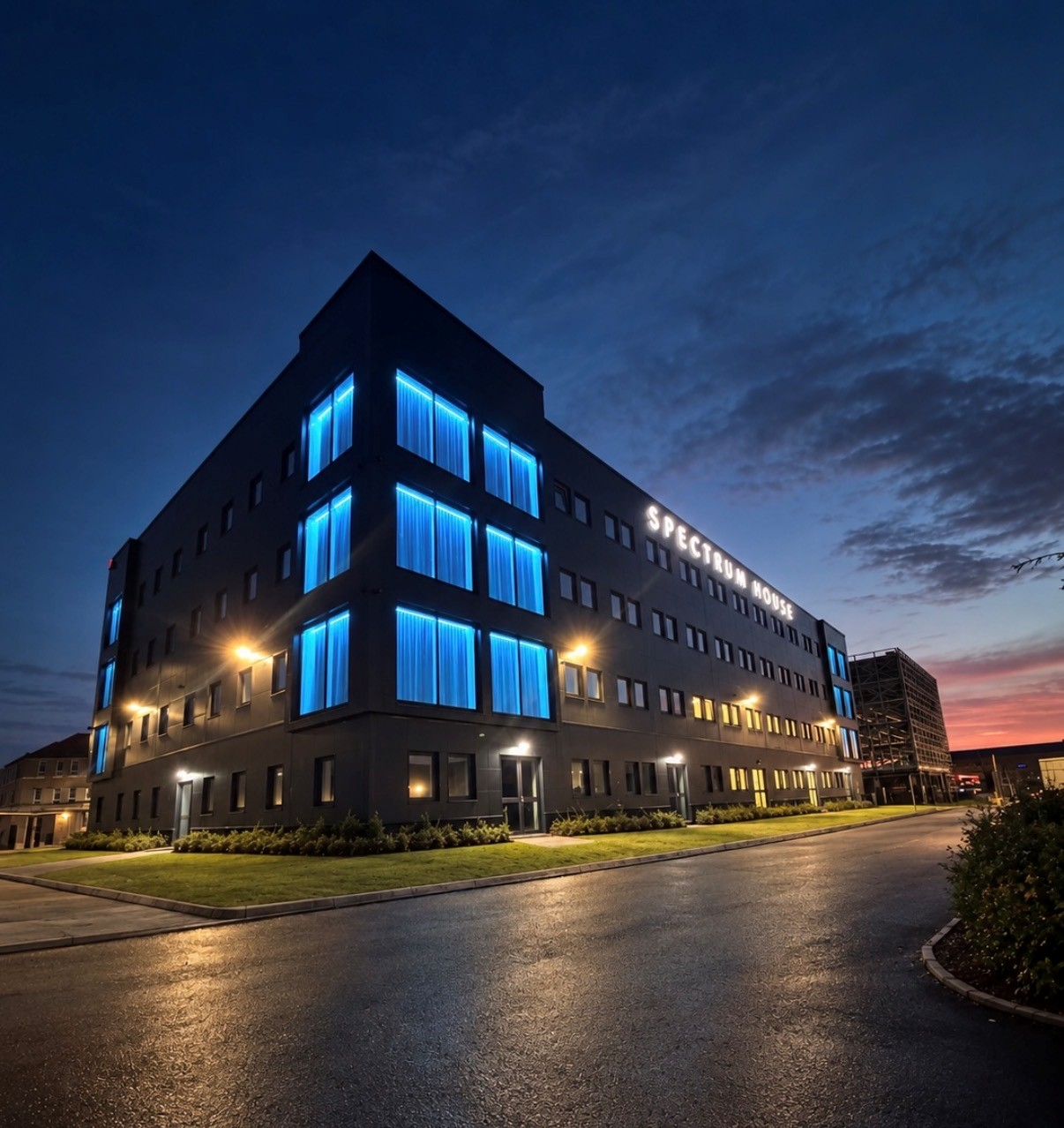
The portfolio spans the east and west of the country and includes extensions to operational manufacturing facilities, together with a new industrial building for repeat client Canmoor at Westway.
More than one million sq ft of industrial space has been delivered by Muir during the past five years. The contractor is also increasing investment in its internal preconstruction team as clients seek earlier cost, programme, buildability, and procurement input.
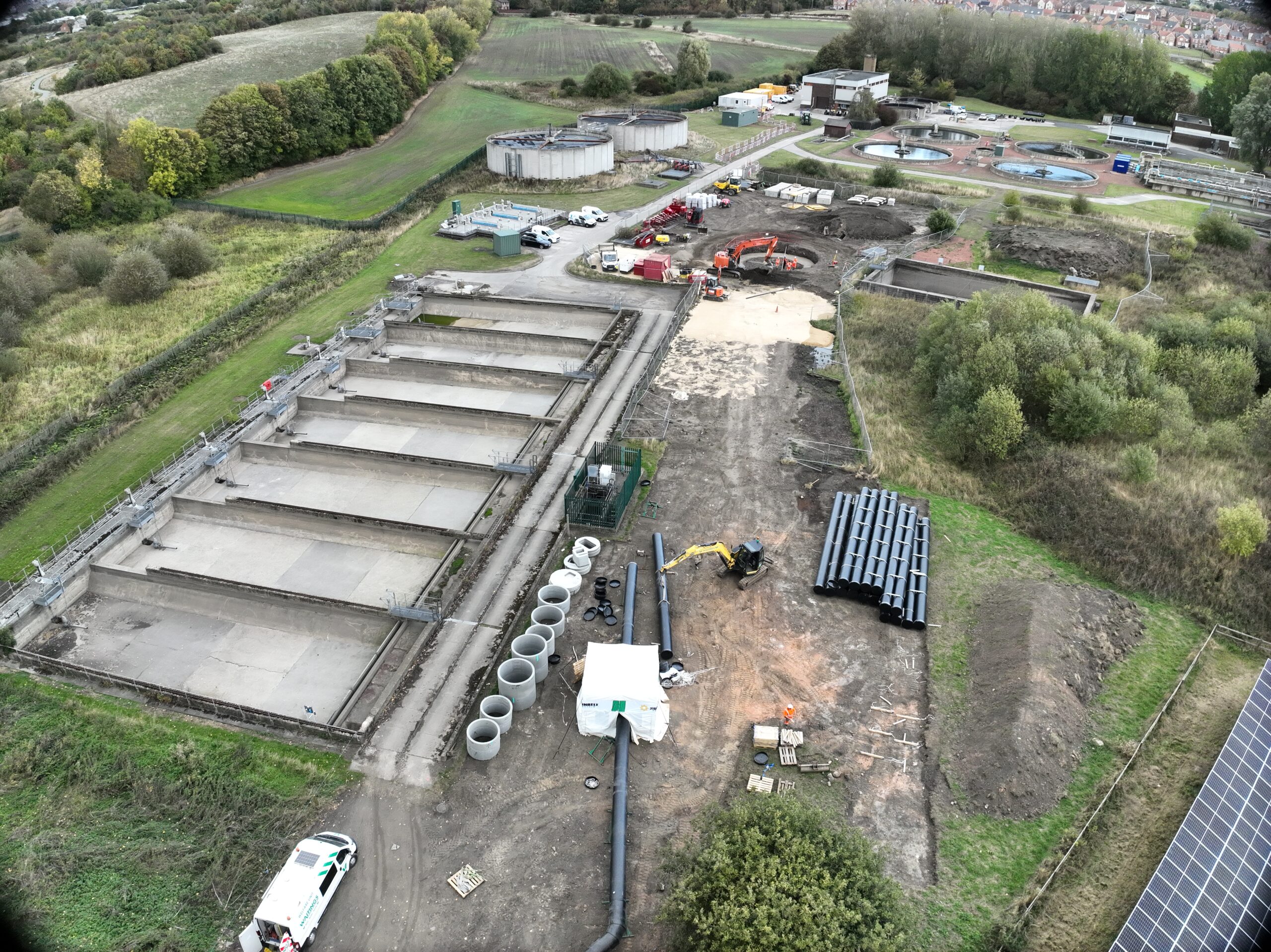
Extensions within operating factories require construction activity to be arranged around live production. Machinery, staff movements, deliveries, utilities, clean areas, temperature controlled processes, and fixed shutdown periods can all restrict how and when work proceeds.
Dust, vibration, noise, fire separation, temporary services, and electrical interruption must be controlled without compromising the manufacturer’s output. Even a short unplanned stoppage can outweigh the value of progress achieved elsewhere on the construction programme.
Surveys and sequencing therefore carry greater importance than on an empty development site. Existing structures, buried services, roof drainage, foundations, fire compartments, access routes, and production equipment must be understood before the extension design is fixed.
Early contractor involvement can expose assumptions that would otherwise remain hidden until work begins. It also allows shutdown activities, service connections, temporary protection, crane operations, and phased handovers to be agreed with production teams before procurement commits the project to a particular sequence.
Muir business development director David Fairweather said clients increasingly wanted a delivery partner able to contribute during the earliest design stages. Completed project data is being used to benchmark options, challenge buildability, and identify cost or programme risk before it becomes embedded.
The Canmoor appointment adds a conventional development project to the portfolio. Repeat client relationships can shorten the time required to agree reporting, commercial procedures, and technical standards, although each site still presents different planning, ground, utility, and occupier requirements.
Industrial buildings carry expanding technical demands
Manufacturing and logistics development continues across several UK regions. Panattoni’s 462,000 sq ft Worksop project is among the large schemes progressing as developers respond to demand for modern industrial floorspace and improved distribution capacity.
Manufacturing facilities can be considerably more complex than their external appearance suggests. Production equipment loads, clear heights, floor flatness, craneage, high capacity electrical supplies, compressed air, extraction, drainage, temperature control, clean areas, and fire strategy all influence the base building.
Future process change must also be considered because occupiers may replace equipment or alter production several times during the life of the structure. Column grids, floor capacity, service routes, roof loading, and access openings can determine whether those changes require manageable adaptation or major reconstruction.
Utility availability is becoming a decisive development issue. Industrial occupiers pursuing electrification, heat pumps, automated production, data intensive processes, or electric vehicle fleets can require substantially more power than the previous use of a site.
Where grid connections are delayed, programme and occupation can be affected even after the building is physically complete. Temporary generation or phased energisation may provide limited solutions, but neither is a substitute for the permanent capacity required by modern manufacturing equipment.
Live factory extensions expose the direct relationship between construction and business continuity. A project can meet its contractual programme yet still damage the client’s operation if it interrupts production, contaminates controlled areas, or restricts access to critical plant.
Preconstruction planning must account for temporary accommodation, out of hours work, shutdown windows, phased handover, testing, production relocation, and the possibility that agreed operational dates cannot be moved once customer orders and manufacturing schedules are fixed.
Long lead procurement can also determine success. Structural steel, specialist doors, high capacity electrical equipment, mechanical plant, cranes, control panels, and process connections may require early commitment if manufacturing periods are not to delay the main works.
Scotland’s industrial market combines food and drink, renewables, advanced engineering, logistics, life sciences, and established manufacturing. Each sector creates different technical requirements, but all depend on dependable buildings, transport access, utilities, and contractors able to work around operating businesses.
Muir’s investment in preconstruction reflects the amount of contractor input now expected before mobilisation. Clients require cost certainty, but they also want options assessed against operational efficiency, carbon, maintenance, programme, resilience, and future flexibility.
The £25m plus portfolio gives Muir a mix of new development and technically constrained extension work. Its performance will depend on whether early planning translates into uninterrupted operations, controlled interfaces, and buildings capable of accommodating future production change.