IN Brief:
- Strabag has agreed to acquire 100% of Romanian rail contractor Bawi Construction.
- Bawi employs around 240 people and generated output of about €60m in 2025.
- The deal strengthens Strabag’s railway infrastructure capability as European transport investment accelerates.
Strabag has signed an agreement to acquire Bawi Construction, a Bucharest-headquartered railway infrastructure contractor, as it strengthens its position in European rail delivery.
The transaction covers 100% of Bawi Construction SRL and is expected to close in the second half of 2026, subject to approvals. Financial terms have not been disclosed.
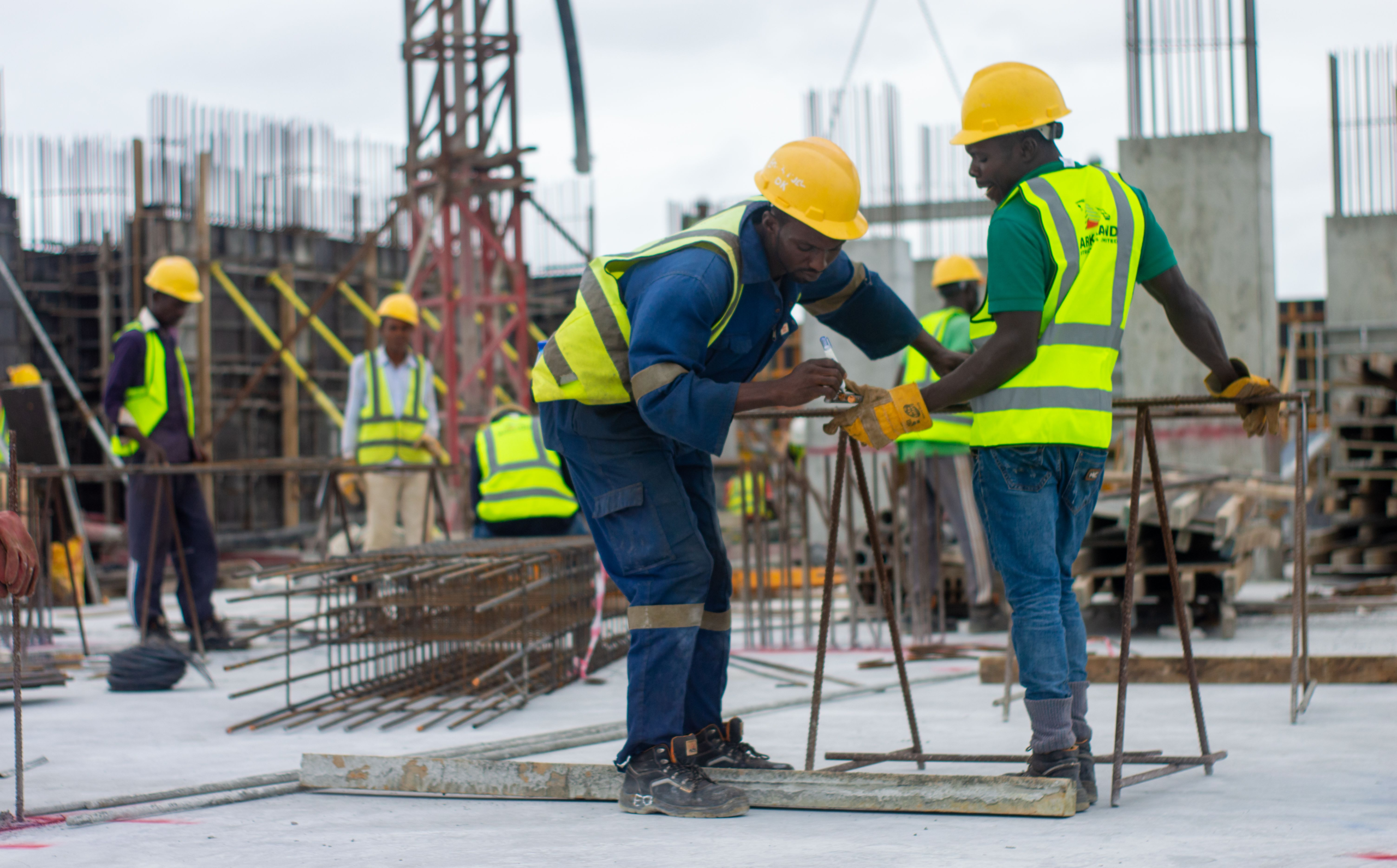
Bawi brings expertise across railway infrastructure construction, modernisation, specialist works, component production, and machinery-led delivery. The company employs around 240 people and generated output of approximately €60m in 2025.
Strabag says the deal will expand its expertise, deepen its value chain, and add machinery capacity in railway infrastructure construction. The acquisition is aimed particularly at Romania and southeast Europe, where rail investment is expected to remain a significant infrastructure priority.
The move sits within a wider pattern of contractor consolidation around specialist capability. In the UK, Strabag’s takeover of Van Elle has been moving towards completion, strengthening its ground engineering platform. The group has also been building tunnelling and heavy civils capacity, with specialist expertise becoming increasingly valuable across rail, water, energy, and major infrastructure programmes.
Rail infrastructure requires a particularly deep supply chain because delivery is governed by access windows, possession planning, signalling interfaces, track systems, power, structures, civil engineering, safety certification, and specialist plant. Contractors that can bring more capability in-house can reduce interface risk and improve certainty on complex programmes.
Romania’s rail market has strategic relevance because much of the European transport investment agenda is focused on network renewal, cross-border connectivity, modal shift, and resilience. Rail modernisation programmes are not limited to new track. They commonly include stations, bridges, tunnels, drainage, electrification, signalling, asset renewal, and logistics coordination across live networks.
The acquisition also reflects how European contractors are preparing for a market in which infrastructure is carrying more of the construction workload than private development. Regulated utilities, rail, energy networks, and public transport schemes offer longer pipelines, but they require specialist management and can be commercially unforgiving where risk is poorly controlled.
For Strabag, Bawi adds local market knowledge as well as machinery and technical capability. That combination is especially valuable in rail, where delivery depends on regulatory familiarity, access procedures, labour, materials routes, subcontract relationships, and understanding of client requirements. International scale can support investment and bidding strength, but local execution remains decisive.
The deal also strengthens the company’s position in southeast Europe at a point when infrastructure clients are looking for contractors able to deliver larger and more technically integrated packages. As funding moves into rail corridors and upgrades, suppliers with track record, plant, engineering depth, and balance-sheet capacity are likely to be favoured.
Completion of the transaction will determine how quickly Bawi can be integrated into Strabag’s European rail operations. The strategic direction is already clear: specialist capacity is becoming a corporate asset rather than a package to be bought late in procurement. Rail infrastructure clients want certainty, and major contractors are buying the capability that sits closest to programme risk.