IN Brief:
- Severn Trent is using Tracto Grundoburst 400G pipe-bursting units for AMP8 water-main renewal work.
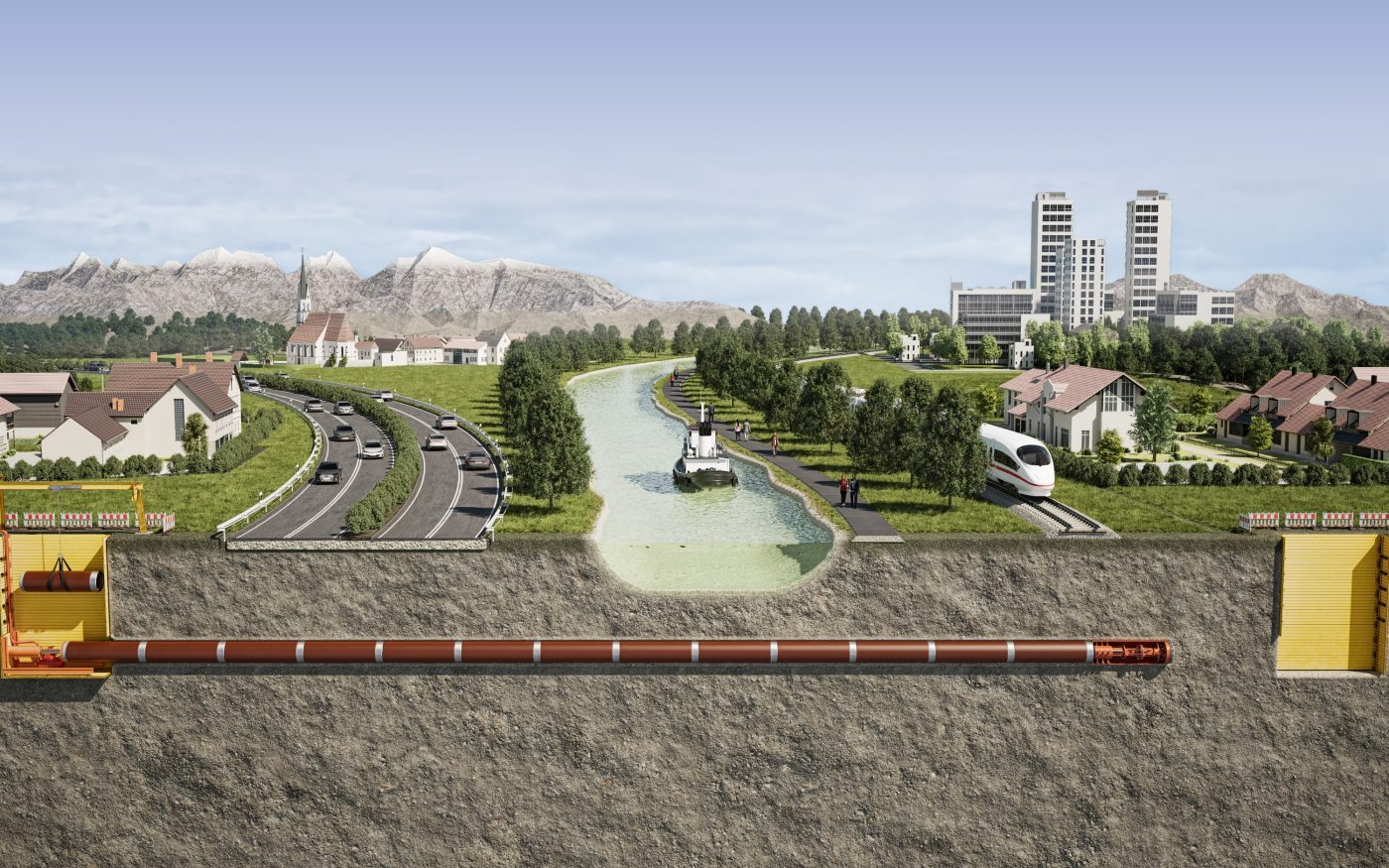
- The trenchless method replaces damaged pipes by bursting the existing pipe and pulling the new pipe through the same route.
- The deployment reflects growing pressure on water companies and contractors to renew ageing networks with less surface disruption.
Severn Trent is adopting Tracto pipe-bursting technology for AMP8 water-main renewal work, using trenchless replacement methods to reduce excavation and disruption across ageing network assets.
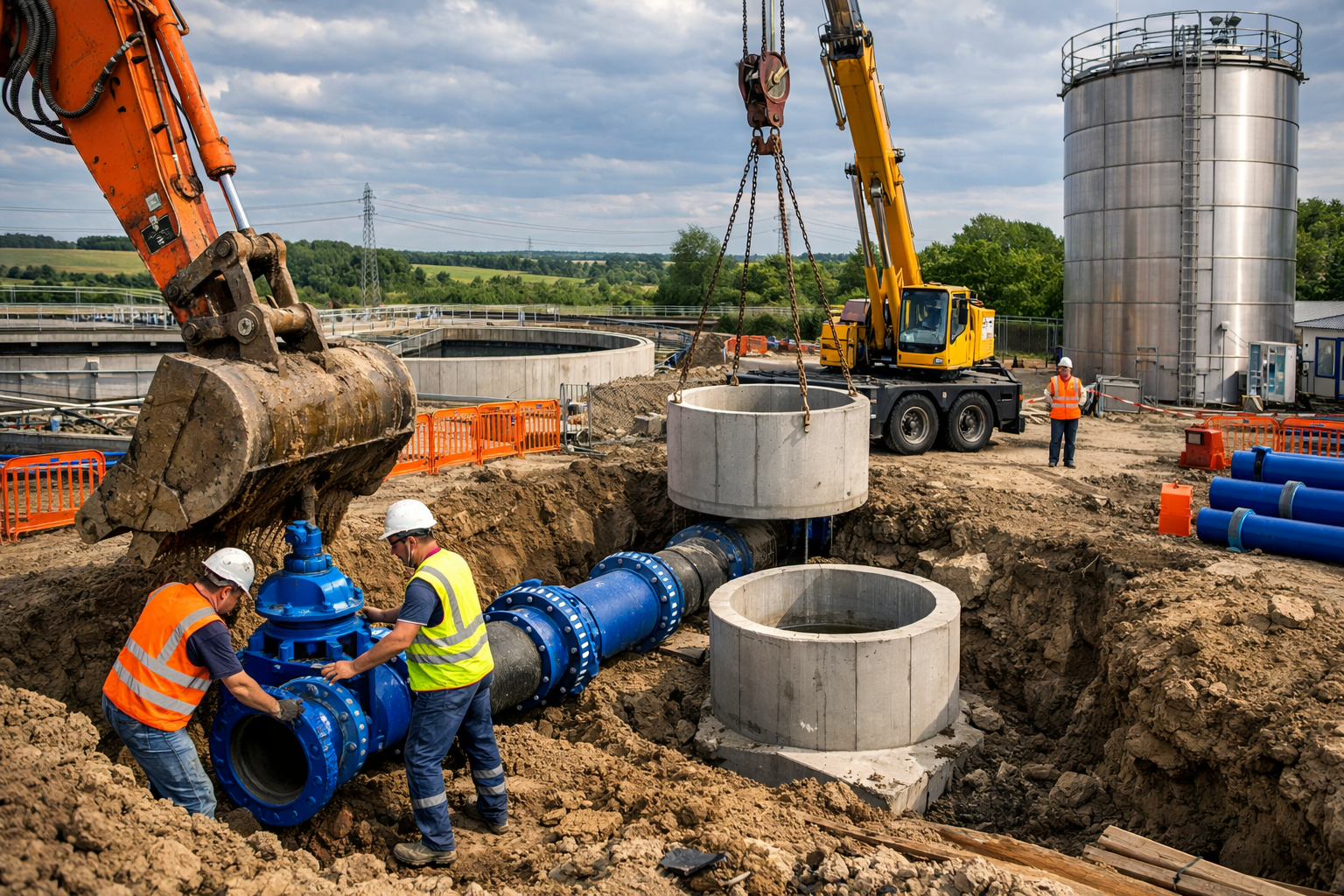
The utility has taken delivery of four Tracto Grundoburst 400G pipe-bursting units, supported by operator training and early deployment on live renewal schemes. The equipment replaces existing pipes by pushing through damaged or unreliable infrastructure, bursting the old pipe into the surrounding ground, and installing a new pipe along the same route.
The method can reduce the need for open-cut excavation, particularly on roads and streets where buried services, traffic management, reinstatement, and disruption can add cost and programme risk. The Grundoburst units can work on repair pipes from two inches to ten inches and use ladder rods designed to handle bends with a radius of up to 35mm.
Severn Trent has trained around 150 operators on the system, with Tracto providing technical support during the rollout. One early deployment is at Bagnall, near Stoke-on-Trent, where around 950m of pipe renewal has been carried out along a road affected by ageing infrastructure and severe burst-pipe issues.
Lawrence Twiddy, delivery manager at Severn Trent, said: “The team has successfully burst the whole job now and are extremely happy with the kit. This technique and rig will be a revelation for us over the coming four years left in AMP8.”
AMP8 will place heavy demands on the water construction supply chain. Utilities are under pressure to reduce leakage, improve resilience, upgrade treatment assets, and address environmental performance while limiting disruption to communities. Trenchless technologies are well suited to that operating environment, especially where existing assets sit beneath highways, residential streets, and constrained urban corridors.
Although pipe bursting is an established method, its value increases when used across repeat programmes. Open-cut works can require longer closures, larger excavations, spoil removal, reinstatement, and more extensive traffic management. Trenchless replacement can reduce surface impact, shorten site occupation, and lower reinstatement requirements where ground conditions and asset layouts support the technique.
Labour and productivity pressures add further weight to the approach. Water companies and contractors face a tight market for skilled operatives, supervisors, and specialist civil engineering teams. Standardised equipment, trained operators, and repeatable renewal methods can help improve output across multiple schemes, particularly where similar pipe diameters and network conditions recur.
The technology forms part of a broader move towards more industrialised infrastructure delivery. Utilities and public bodies are increasingly looking for methods that can be repeated, measured, and scaled across programmes rather than redesigned from scratch on each scheme. Framework procurement, modular treatment assets, digital asset mapping, and predictive maintenance data are all pushing delivery in that direction.
Water infrastructure is also operating under greater public and regulatory scrutiny. Burst pipes, leakage, sewage spills, road disruption, and delayed reinstatement all carry reputational consequences. Renewal methods that reduce excavation cannot remove those pressures, but they can improve the balance between necessary intervention and disruption above ground.
The scale of future civil engineering demand is visible across several asset classes, including the Environment Agency’s £1.23bn coastal and flood defence framework. Water, flood, transport, and energy clients are all competing for delivery capacity as resilience programmes move forward.
For Severn Trent, the Tracto deployment provides another route to improve AMP8 delivery. Its value will depend on selecting suitable sites, maintaining trained crews, and integrating trenchless methods into wider renewal planning. Where conditions are right, pipe bursting offers a route to renew buried assets with fewer excavations, shorter programmes, and less disruption to the communities above them.