IN Brief:
- Booking.com for Business analysis places trade and construction fourth for UK business travel demand.
- The sector accounts for 10.1% of business travel-linked roles in the analysis.
- Jet fuel supply concerns are adding planning risk for companies that depend on site visits, client meetings, and regional delivery coordination.
Booking.com for Business has identified trade and construction as one of the UK sectors most exposed to business travel disruption, as fuel supply concerns continue to affect aviation planning.
The company’s analysis of Adzuna job listing data found that trade and construction accounts for 10.1% of roles linked to business travel demand. That places the sector fourth behind sales, engineering, and IT, and ahead of admin, accounting and finance, social work, healthcare and nursing, marketing, hospitality, and teaching.
The findings come amid concern that jet fuel supply pressure could disrupt travel schedules, particularly for companies that rely on flights to coordinate work across regions. The UK Government has said there are no immediate jet fuel supply issues, although supplies have been monitored and contingency measures considered to protect summer travel.
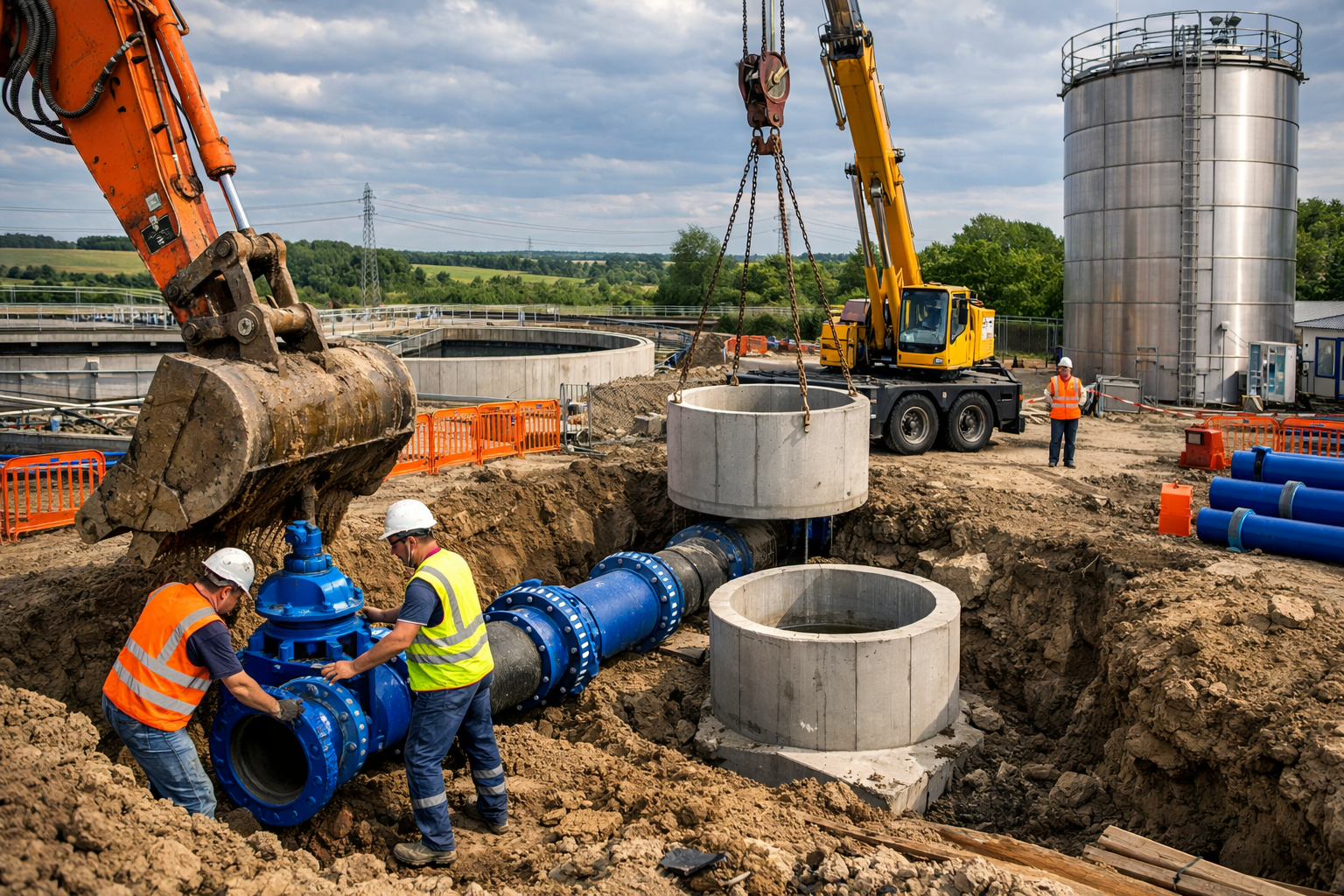
Construction is not always classed as a travel-heavy sector, but many parts of the industry depend on face-to-face mobility. Project directors, commercial managers, design coordinators, engineers, consultants, procurement teams, equipment specialists, and supplier representatives regularly move between offices, sites, factories, client meetings, inspections, and pre-start reviews.
Travel is particularly embedded in national contracting models. A business may bid from one office, source specialist expertise from another region, manufacture components elsewhere, and deliver on sites spread across the country. Specialist subcontractors often rely on travel for commissioning, surveys, troubleshooting, technical support, and client approvals that cannot be fully replaced by remote meetings.
Fuel-related flight disruption would create a different risk profile from ordinary travel inconvenience. Missed meetings can delay decisions, but missed inspections, factory acceptance tests, commissioning visits, design workshops, or client sign-offs can affect programme. International product suppliers and specialist consultants may also face longer lead times if flight capacity tightens or fares rise.
The construction sector has become more sensitive to logistics risk. Recent years have exposed vulnerabilities in materials supply, labour availability, energy costs, border processes, shipping capacity, and plant procurement. Travel disruption adds another operational layer, particularly where senior technical staff cover several schemes at once.
Employers are likely to place greater emphasis on deliberate travel planning. That includes prioritising trips tied to programme decisions, giving teams booking flexibility, building contingency into meetings linked to approvals, and avoiding single points of failure where only one individual can attend a critical site or supplier visit. Regional hubs, rail alternatives, and better sequencing of meetings may also become more important where flights are less predictable.
Business travel will remain part of construction delivery. Physical sites, installed systems, client relationships, and project risk cannot be managed entirely through video calls. The shift is likely to be toward more selective travel, where companies distinguish between visits that create delivery value and trips that can be consolidated or replaced.
The analysis also shows why travel management is becoming a more serious operational function for contractors and consultants. Travel cost, employee time, carbon reporting, and resilience now sit together. If flight disruption becomes more persistent, companies with clearer travel policies, better visibility of bookings, and more flexible approval processes will be better placed to keep projects moving.