IN Brief:
- Vossloh has secured contracts worth about €17m for supply and maintenance work on Belgium’s HSL 1.
- The package includes an eight-year supply agreement and a separate 20-year maintenance contract.
- The new turnouts use sensor-based monitoring to support maintenance and reliability on a key high-speed corridor.
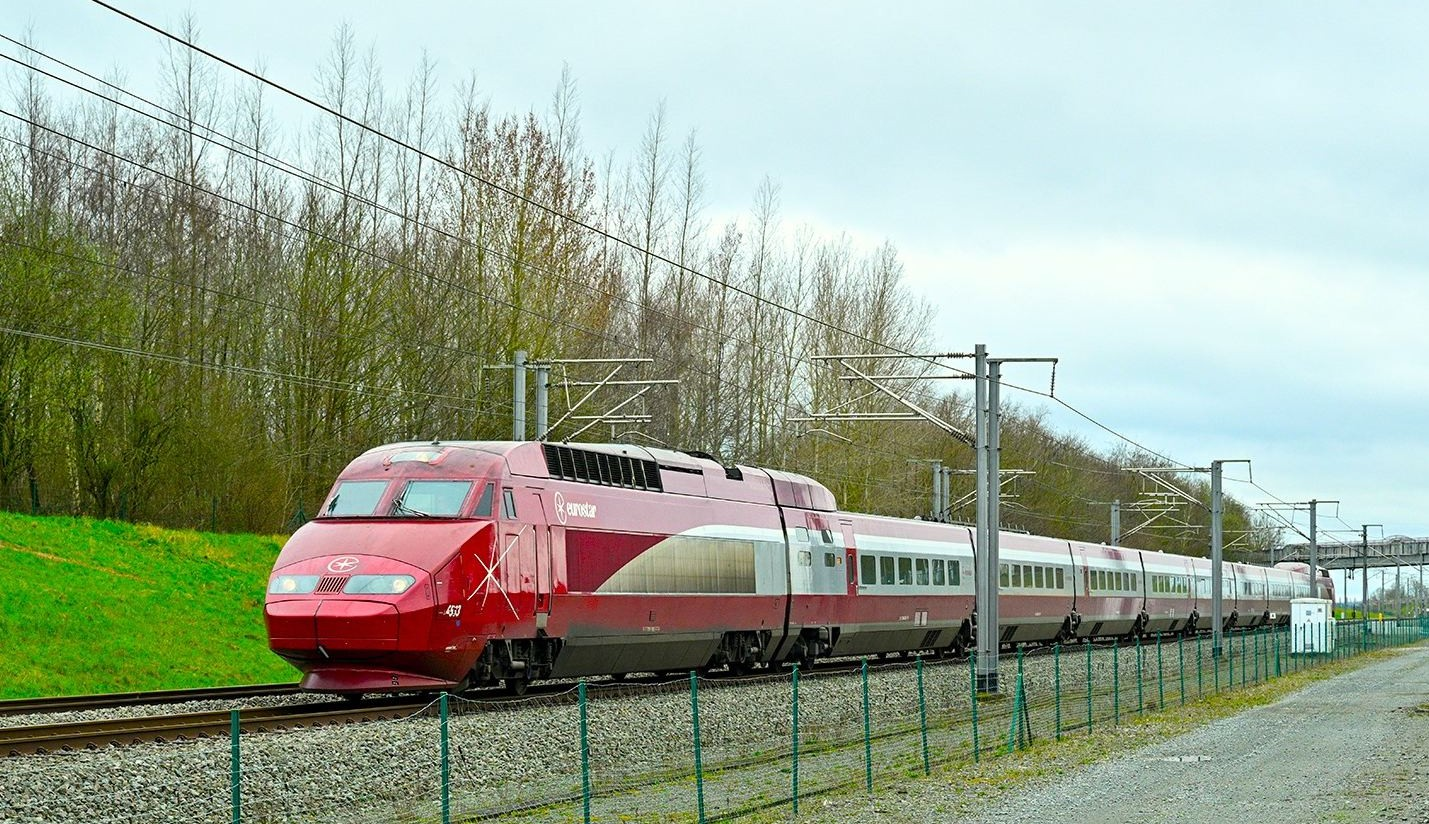
Vossloh has secured a package worth approximately €17m to manufacture and maintain turnouts for Belgium’s HSL 1, the high-speed line connecting Brussels with the French border. Awarded by Infrabel, the deal covers both the delivery of new high-speed components and their longer-term upkeep, combining infrastructure renewal with a service model that extends well beyond the initial installation phase.
The structure of the package is as important as the headline value. The supply contract runs for eight years, while a separate agreement covers maintenance of the components for 20 years. That reflects a broader shift in rail infrastructure procurement, where clients are increasingly looking for predictable performance over asset life rather than a simple supply-and-install arrangement. The turnout package is therefore not just a replacement scheme for ageing hardware; it is a lifecycle commitment on one of the most sensitive parts of the network.
HSL 1 entered service in 1997, and the latest award is tied to a wider modernisation of the route as critical components approach the point where renewal can no longer be deferred. On high-speed infrastructure, turnouts sit among the most demanding pieces of permanent way, carrying a disproportionate share of safety, availability, and maintenance risk. Failure or underperformance does not stay local for long on a route of this type. It affects reliability, pathing, and confidence across an international corridor.
The technology specified by Vossloh points to why the package matters. The new turnouts are equipped with sensors that continuously monitor the condition of both the point machine and the turnout itself, feeding data back to support maintenance decisions. That is increasingly the direction of travel across core infrastructure assets. Rail renewals are moving away from purely time-based intervention and towards condition-led decision-making, where operators try to detect wear, drift, or emerging faults before they become service incidents.
That does not make maintenance simpler, but it can make it more targeted. On busy routes, the value lies in reducing unnecessary possessions while improving confidence that critical assets are being watched closely enough to intervene before reliability drops. The practical gain is not only lower fault risk; it is better use of engineering windows, less reactive work, and a clearer view of how components are performing under real operating conditions. For infrastructure owners, that is where digital monitoring starts to translate into commercial value.
The award also says something about the industrial direction of European rail renewal. Infrabel is framing the work as part of a longer-term plan for safety, reliability, and sustainability on the Brussels–Paris route, while Vossloh is emphasising the technical demands of high-speed operation and the importance of maintenance support alongside component supply. The common thread is that renewal packages are becoming more integrated, with manufacturing, data, and service tied together instead of procured in isolation.
For the supply chain, that has clear implications. Contractors and specialist rail businesses are being drawn into programmes where product performance, digital monitoring, and maintainability carry greater weight at tender stage. The best opportunities are not confined to those who can manufacture the component; they also extend to businesses that can support installation logistics, possession planning, data handling, and long-term asset stewardship. HSL 1 is a relatively contained package in headline value, but it sits on a strategic European route and shows how infrastructure managers are now buying for reliability over decades rather than for a single renewal season. That is likely to become more common as high-speed assets built in the 1990s and early 2000s move deeper into replacement cycles.