IN Brief:
- Central Point in Walsall has secured detailed planning consent and moved immediately into site-clearance works.
- The six-unit scheme totals 93,110 sq ft and targets EPC A and BREEAM-rated industrial space.
- The decision points to continuing confidence in regional speculative industrial delivery where Grade A stock remains short.
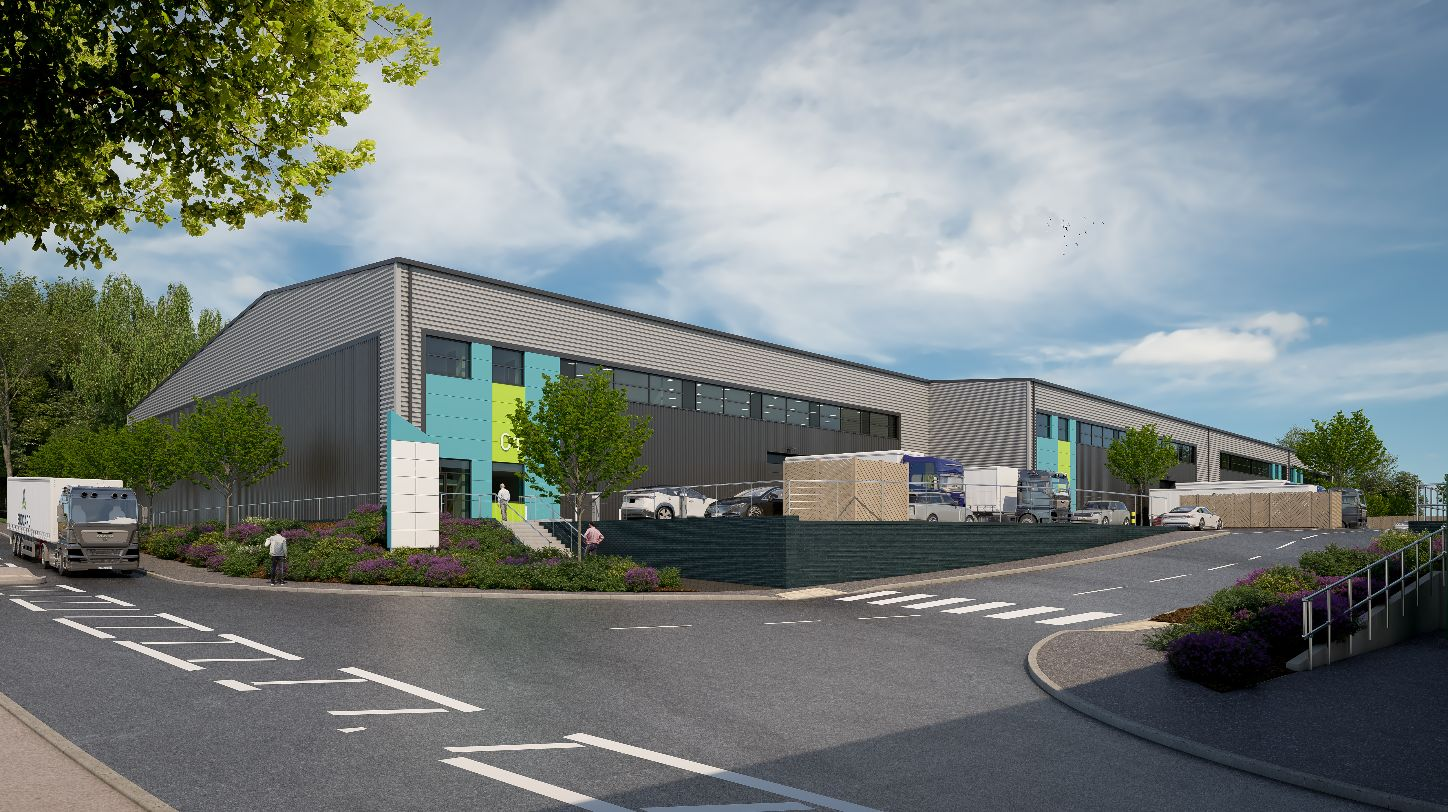
Erdgard Developments has secured detailed planning consent for Central Point at Willenhall Road in Walsall and is moving directly into delivery, with site clearance already under way ahead of a construction start in May. The six-unit scheme will provide 93,110 sq ft of speculative industrial space, with unit sizes ranging from 5,880 sq ft to 26,236 sq ft and occupation targeted from February 2027.
The immediate significance is straightforward enough: this is a live industrial development moving off the planning page and into the site stage at a time when many regional logistics and industrial schemes are still being measured carefully against build costs, debt terms, and occupier sentiment. Central Point is not a trophy mega-shed, but the mid-box market has become increasingly important across the Midlands because it is where local manufacturing, trade, distribution, and service occupiers are often competing for relatively limited modern stock. That shortage is what gives speculative starts like this more weight than a simple planning approval might suggest.
The scheme is being marketed around contemporary baseline performance rather than bare-bones warehouse provision. According to the published details, the units are being built to EPC A and BREEAM Very Good standards, with MCS Group lined up to start main construction in May. That performance level no longer reads as a premium extra in much of the market. It is increasingly the threshold for relevance, especially where occupiers are managing energy costs, reporting obligations, and future lease expectations more closely than they did even a few years ago. Industrial buildings that fail to clear that bar can look dated before they open.
For Erdgard, the project also fits a familiar operating model. The company specialises in industrial and logistics development and has been positioning itself around speculative and build-to-suit opportunities across the UK, with a strong Midlands weighting. Its wider corporate material emphasises sustainability and future-ready base-build standards, which is consistent with the shape of schemes now being brought forward by newer regional developers trying to differentiate themselves on both occupier quality and delivery discipline. That does not guarantee leasing success, but it does show where the market has moved. Modern industrial schemes are being judged on energy performance, flexibility, and operating cost alongside location and yard depth.
What makes Central Point particularly relevant is the combination of speculative confidence and localised product targeting. The scheme is not attempting to capture only the very largest occupier requirements. Instead, it is set up as a six-unit development with a size range that broadens the potential tenant pool. That reflects a wider reality in parts of the Black Country and Midlands industrial market, where demand can come from manufacturers, trade counters, service businesses, urban logistics operators, and regional distributors rather than a single blue-chip requirement. A flexible multi-unit scheme can therefore offer both speed to market and a more resilient leasing strategy.
There is a broader construction signal here too. Regional industrial development has not disappeared into a wait-and-see mood, but it has become more exacting. Developers need the conviction to start speculatively, yet they also need a sharper view on local stock shortages, rental tone, exit assumptions, and what occupiers now treat as standard specification. Schemes that move forward are increasingly the ones that can show discipline on unit mix and delivery timing, rather than relying on generic optimism about logistics demand. In that context, Central Point looks less like a punt and more like a targeted response to a specific supply gap.
The next measure of success will come quickly. With site clearance under way and construction due to start in May, the project is now entering the phase where planning intent gives way to programme control, procurement, and early occupier engagement. If leasing interest follows the confidence implied by the start-on-site decision, Central Point will stand as another sign that the regional mid-box industrial market still has enough depth to support well-placed speculative schemes, provided they are built to the standards occupiers now expect rather than the ones they were willing to tolerate a decade ago.