IN Brief:
- A joint development agreement is pushing clinker electrification toward pilot and scale-up.
- The programme combines electrified calcination with electrified sintering to remove fossil heat.
- Large-scale testing in Hofors during 2026 will shape the path to a 2028 plant.
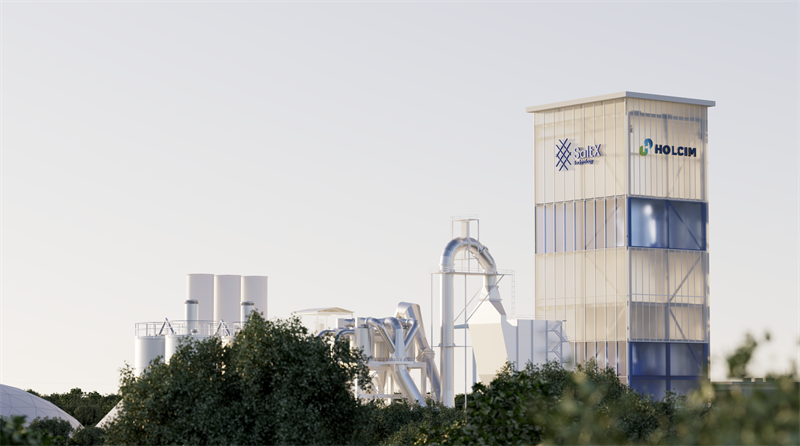
Holcim has deepened its partnership with SaltX Technology through a joint development agreement aimed at validating a fully electrified clinker production process, with the pair targeting a fully electric cement plant in Europe by 2028.
The agreement builds on the relationship the companies established last year and moves the programme further into industrial development. At the centre of the work is the effort to replace fossil-fuel heat in clinker manufacture, still the most carbon-intensive stage of cement production, with a process that combines electrified calcination and electrified sintering.
Two technical tracks are now in play. The first focuses on electrified calcination through SaltX’s Electric Arc Calciner, where raw meal is heated using plasma burners to produce calcined material. The second combines that step with electric sintering in a bid to deliver clinker without fossil fuels. Large-scale technology and materials testing is planned at the Electric Calcination Research Center in Hofors during 2026, with the results expected to shape the next phase of scale-up.
The project is notable because it is being developed with both retrofit and new-build applications in mind. The companies have said the two technical tracks could be deployed separately or together, which opens the door to different upgrade pathways across the cement sector rather than limiting the concept to a single flagship plant.
For the wider construction supply chain, the significance sits in process rather than branding. Cement producers have spent years trialling lower-carbon fuels and supplementary cementitious materials, but electrifying clinker manufacture goes after the thermal core of the plant itself. If pilot work in Sweden holds up under industrial conditions, the next question will be how quickly that model can be reproduced at scale and at a cost the market can absorb.