IN Brief:
- Scotland’s construction workforce is projected to reach about 214,500 by 2029, but annual replacement demand remains high.
- The report identifies fragmented responsibility, weak employer confidence and a small-business-heavy sector structure as barriers to entry.
- Future pathways are tied to competence, digitalisation, modern methods of construction, and net-zero delivery requirements.
A new workforce study delivered by BE-ST for Skills Development Scotland and the Construction Accord sets out a more detailed picture of why Scotland’s construction labour challenge is not simply a question of headline growth.
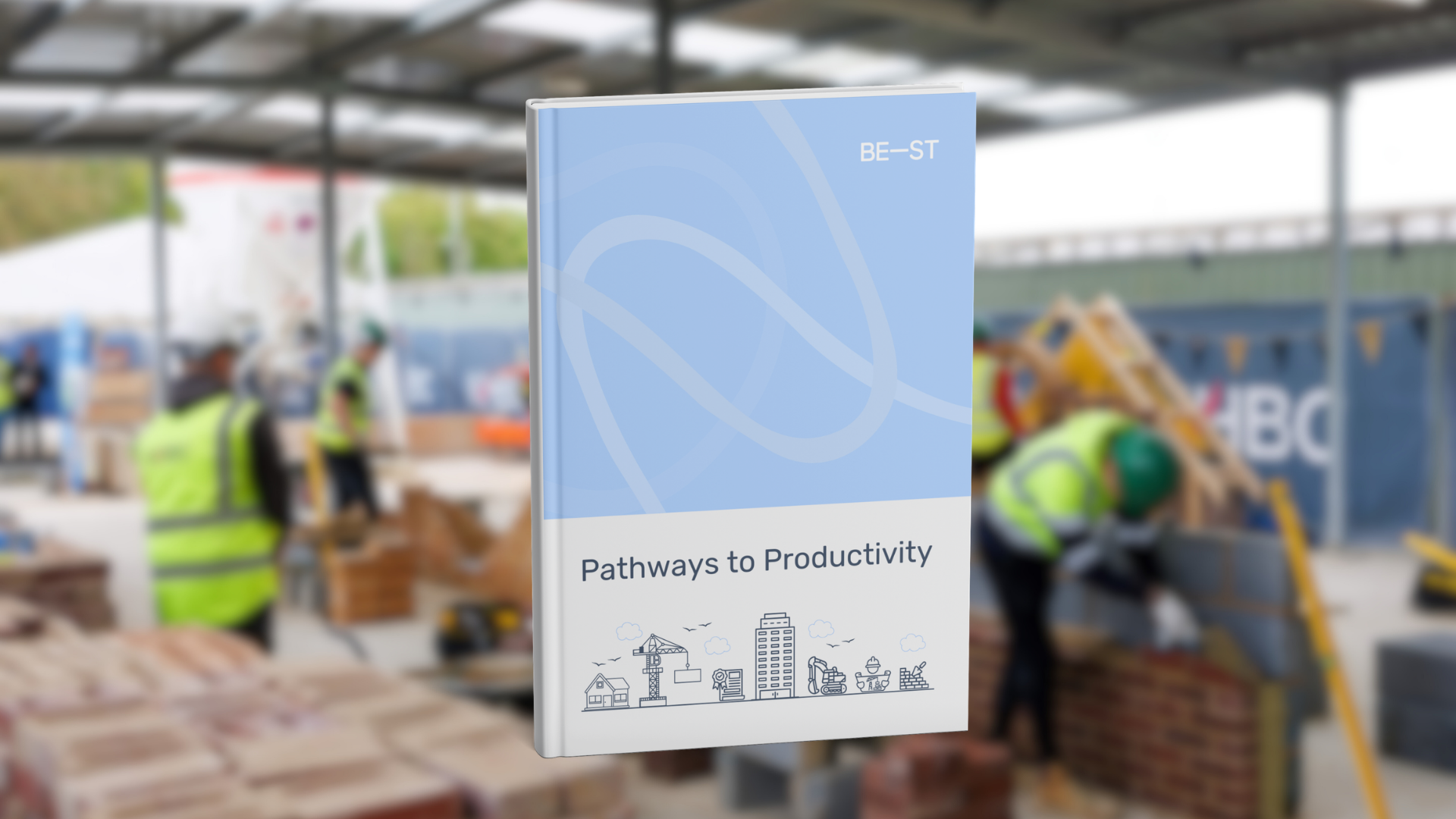
The report, Pathways to Productivity, projects that the construction workforce could rise to around 214,500 by 2029, but it also points to annual replacement demand of roughly 8% through natural attrition alone. It describes a sector operating under a dual pressure: more people are needed, but the competency profile is also shifting as digitalisation, modern methods of construction, regulatory change and net-zero requirements reshape what entry-level capability now needs to look like.
The structural findings are as important as the forecast. Scotland had an estimated 53,495 construction businesses in March 2025, with around 75% operating without registered employees and about 96% employing fewer than ten people. In practice, that means the burden of bringing in and training new entrants rests heavily on smaller companies that are often least able to absorb administration, supervision time and early-stage productivity loss.
The report identifies six shared measures of success for the system: capacity, competence, confidence, culture, composition and continuity. It also notes that Scotland still has substantial education activity in the pipeline, but movement from learning into sustained employment remains uneven. The executive summary is available here.